Photography by Bruce A de Armond
William Paca House: Georgian Architecture, built between 1763 and 1765 — Home of William Paca, Annapolis, Maryland
Located in historic Annapolis, the William Paca House was built from 1763-1765 - One of Maryland's four Signers of the Declaration of Independence and the state's third Governor. Although, as was the trend still in the colonial colonies, William Paca acted as his own architect - inspired by the design books available from London, traveling artisans and artists (and indentured individuals) were often used for elaborate plaster, wood carving, and brickwork. Their talent and experience are often shared by houses going up in the area. Restored by Historic Annapolis beginning in 1965, today it is recognized as one of the finest 18th-century homes in the country and a National Historic Landmark.
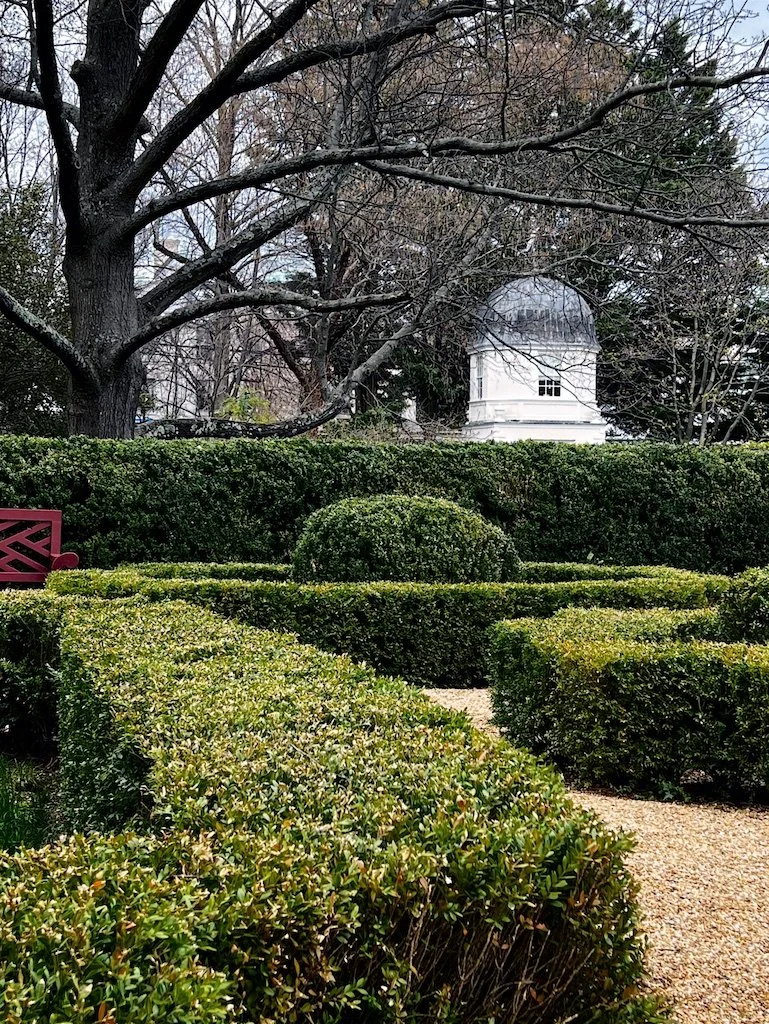
The William Paca House Gardens: Painstakingly restored to its original form using details drawn from historic artwork and archaeological excavations.
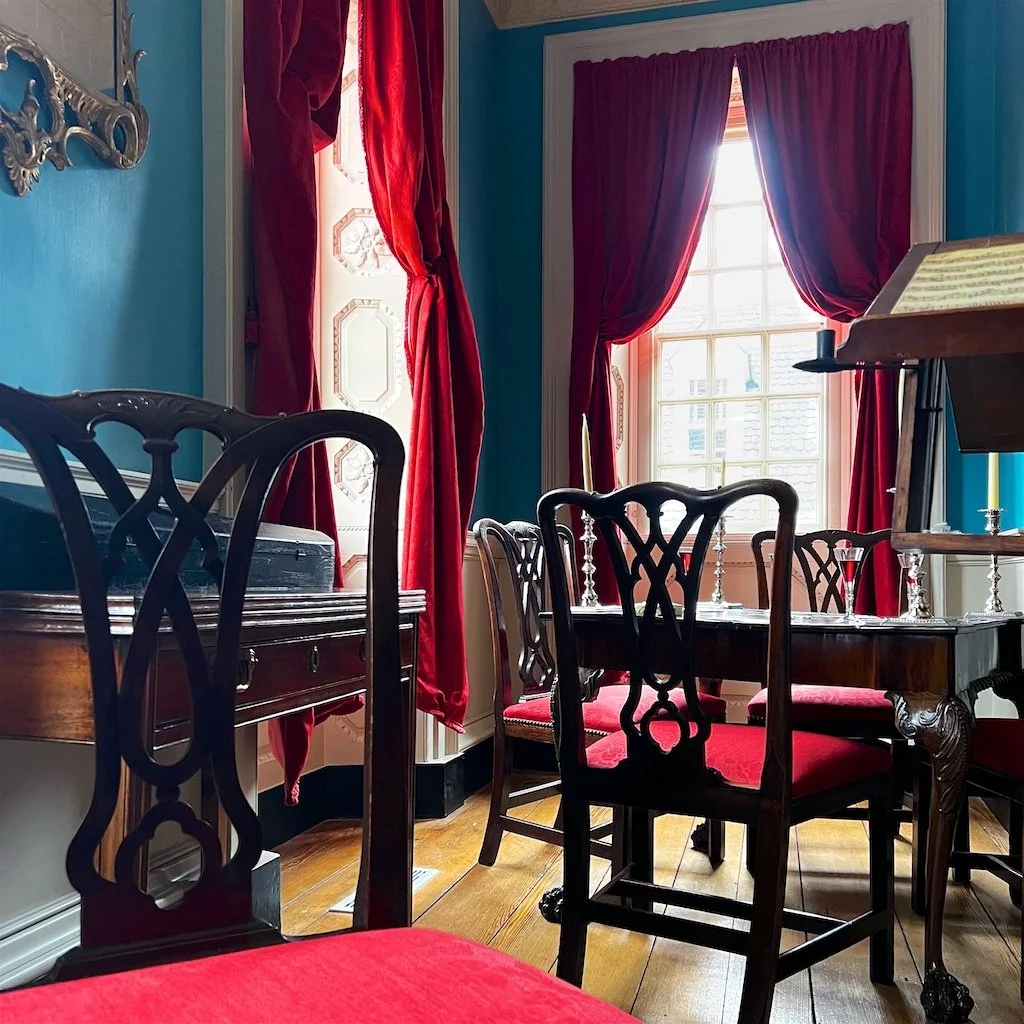
Thomas Hall, who worked on the Chase-Lloyd House and Hammond-Harwood House with architect William Buckland, also worked on the William Paca Drawing Room.
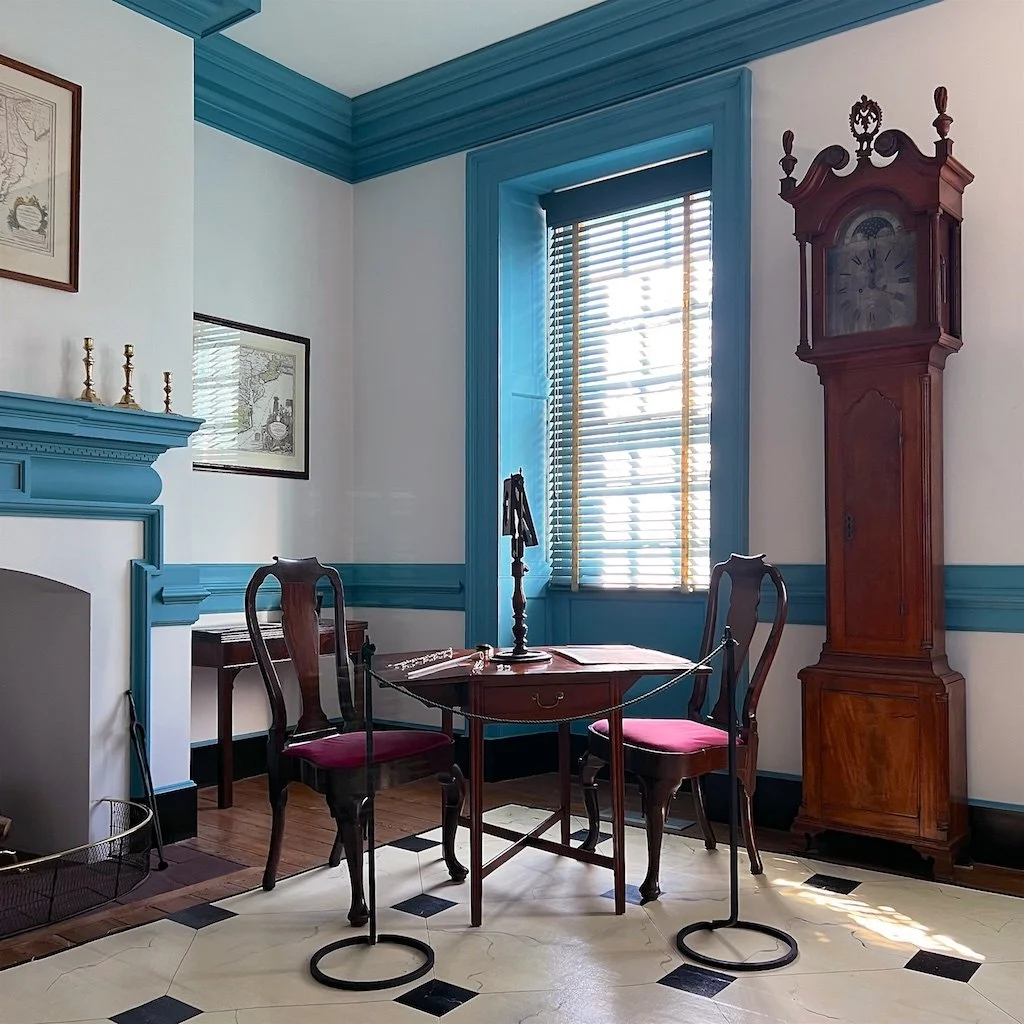
The Study; Cutting edge at the time, a special scope used for images as well as other art and decor elements illustrated Paca's wealth and knowledge.
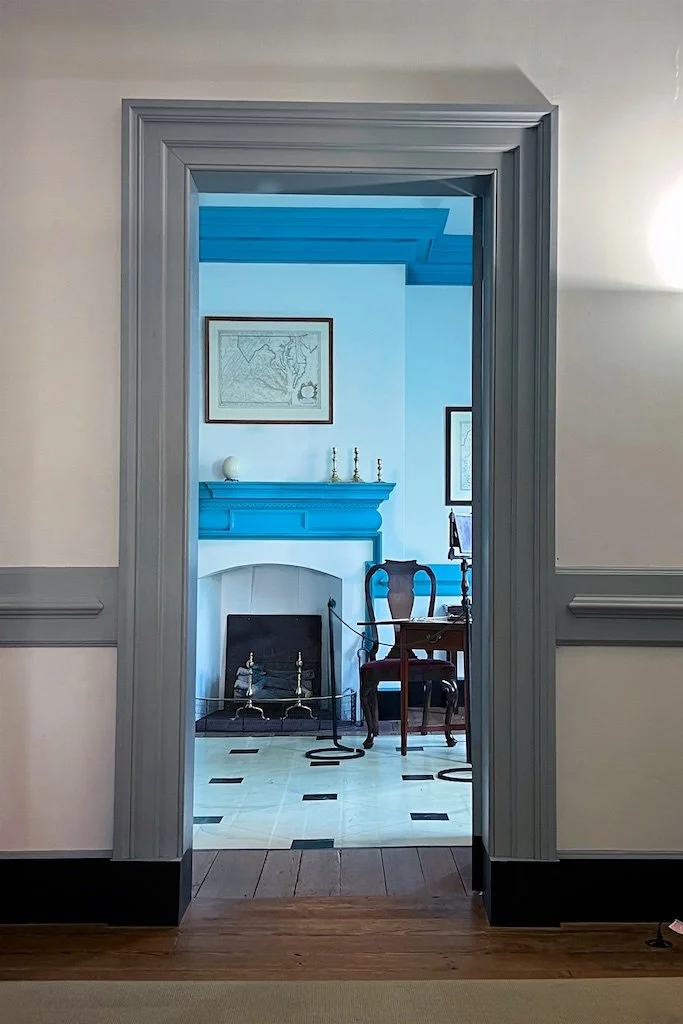
A thriving shipping industry brought great wealth to 18th-century Annapolis and reflected the quality of life admired in England.
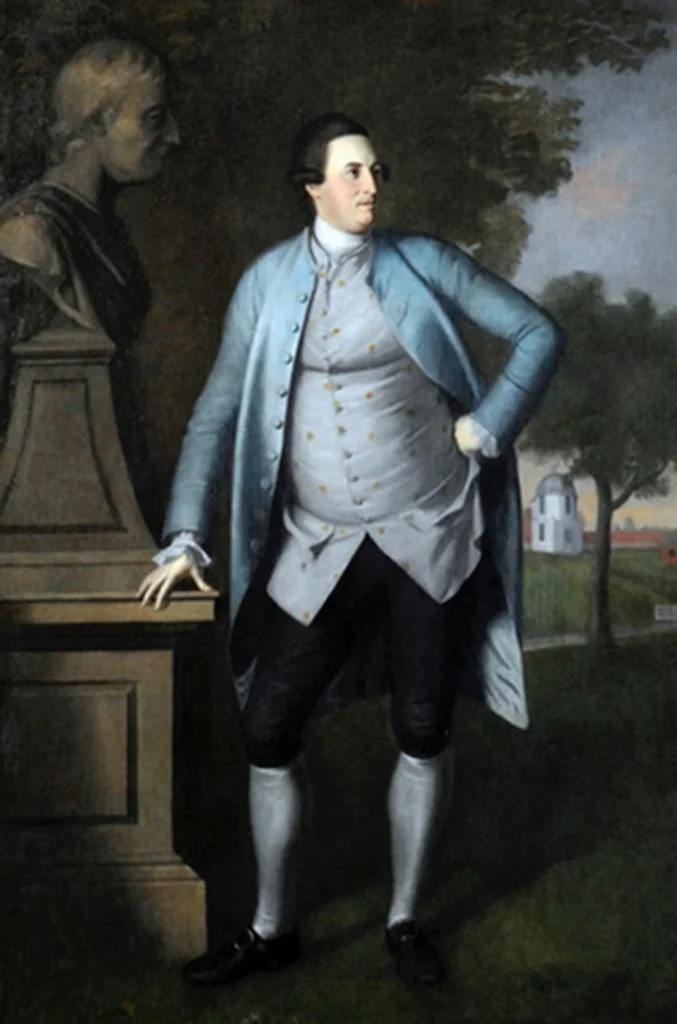
Portrait by Charles Willson Peale - William Paca completed his legal training in London. One of Maryland's four signers of the Declaration of Independence, Paca, served as governor from November 1783-August 1784.
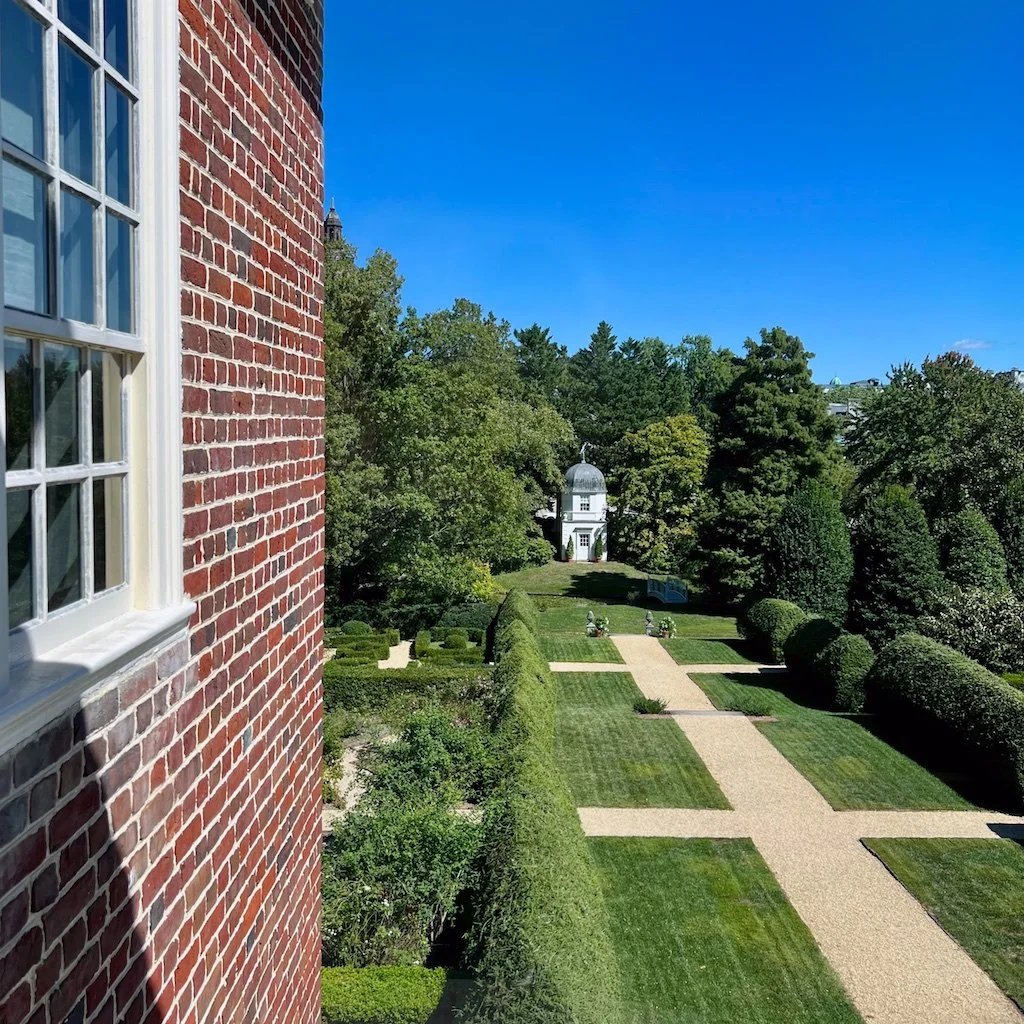
The two-acre gardens of the William Paca House are a unique collaboration of efforts. The Summer House is a focal point that appeared in the 1772 Portrait of William Paca by Charles Willson Peale.
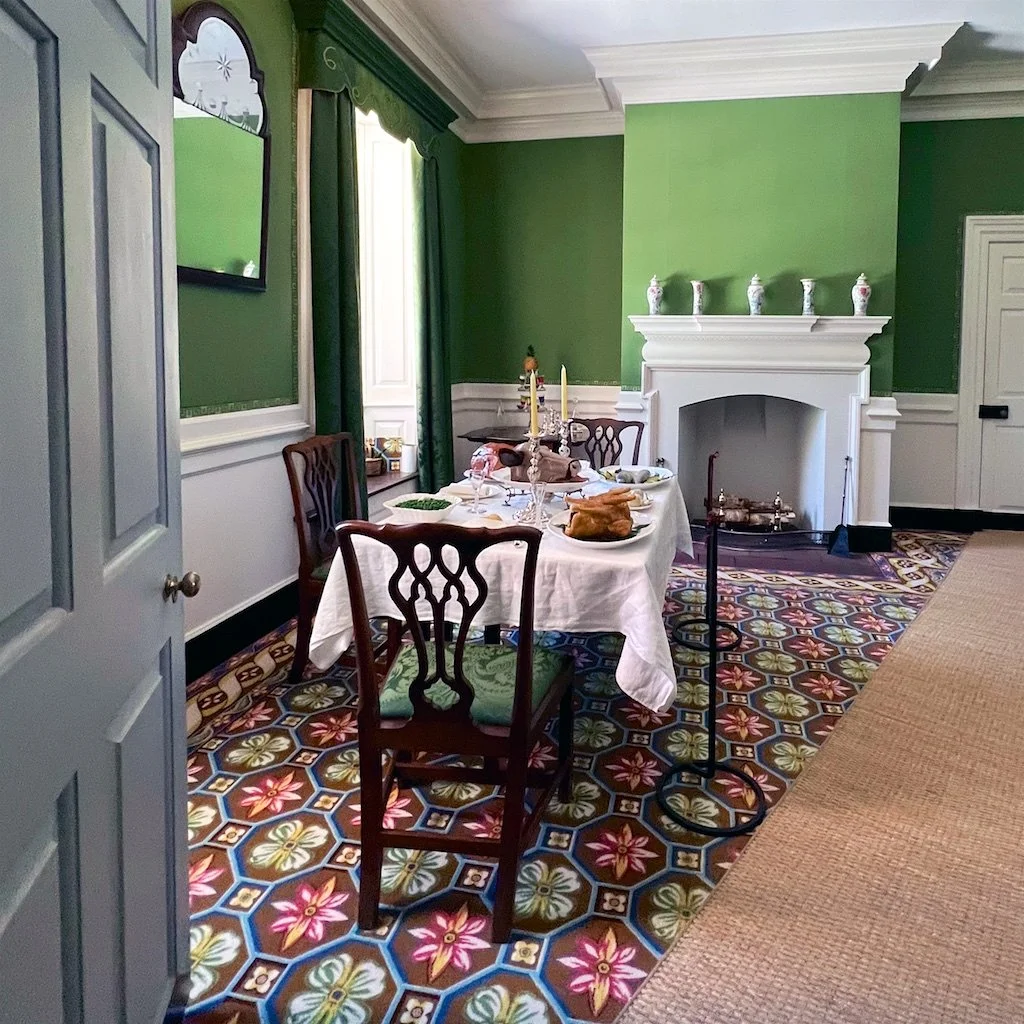
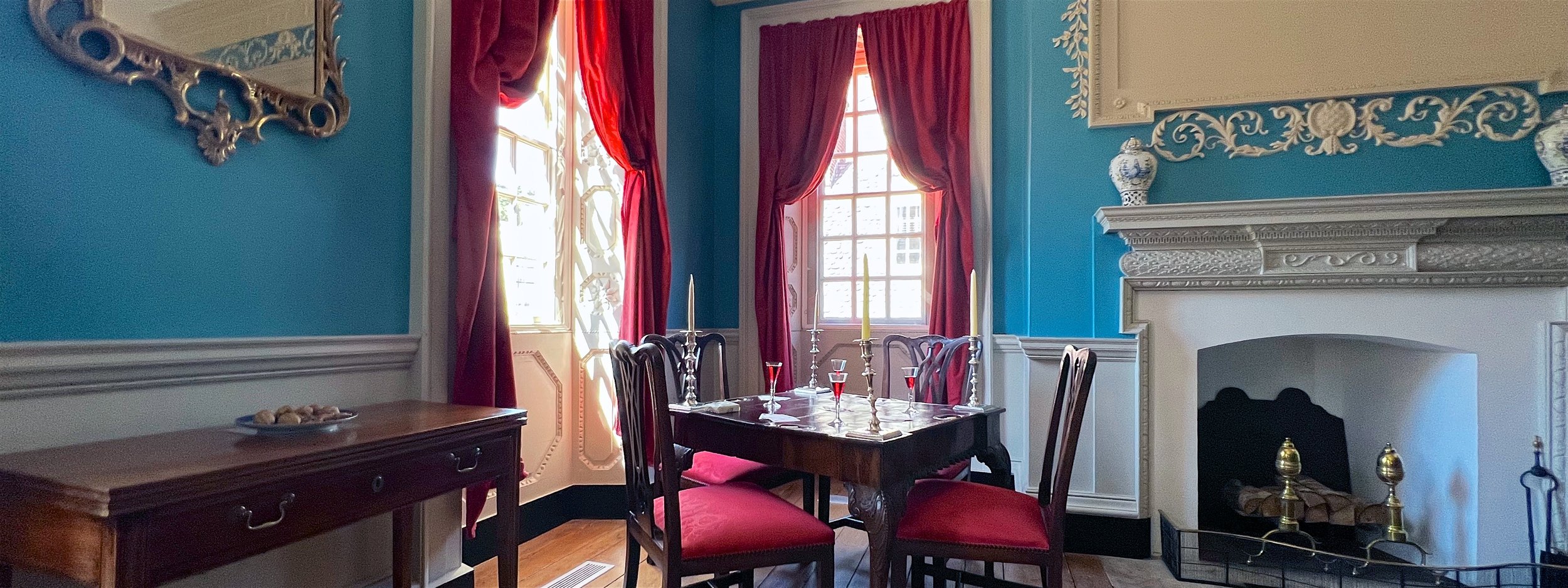
Dining Room: The walls are wallpaper and then painted - a technique that gives a more uniform appearance and clear color.
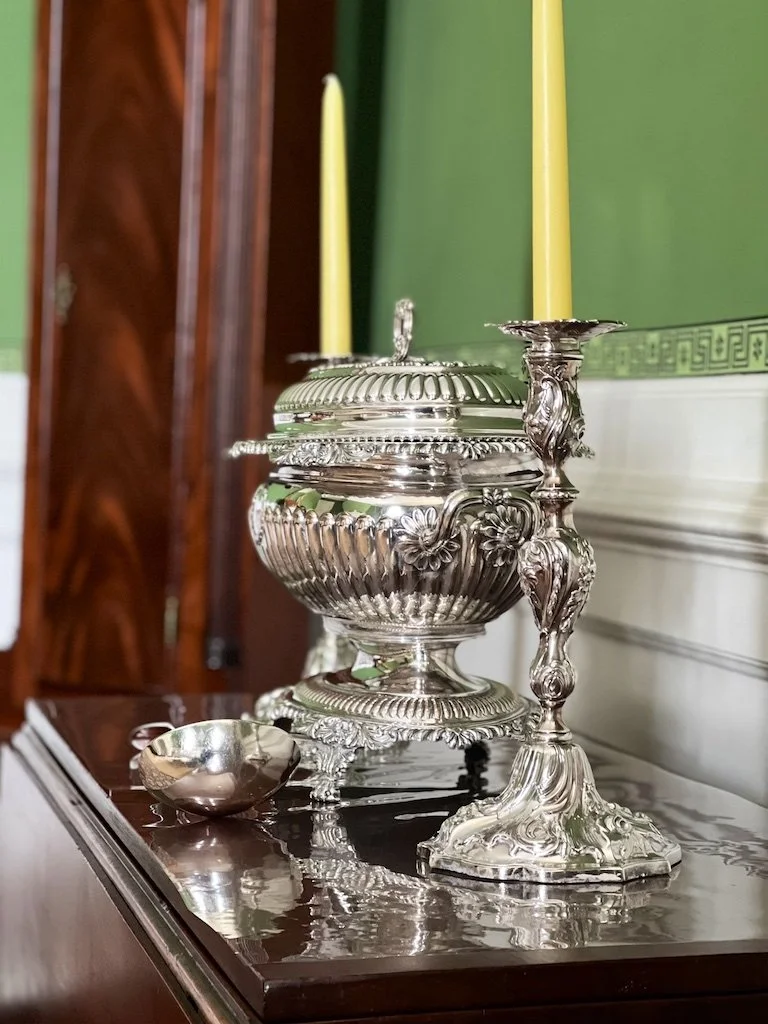
Historic Annapolis worked with other preservationists to purchase and save the property. Museum-quality period furnishings, including Paca family silver and ceramics.
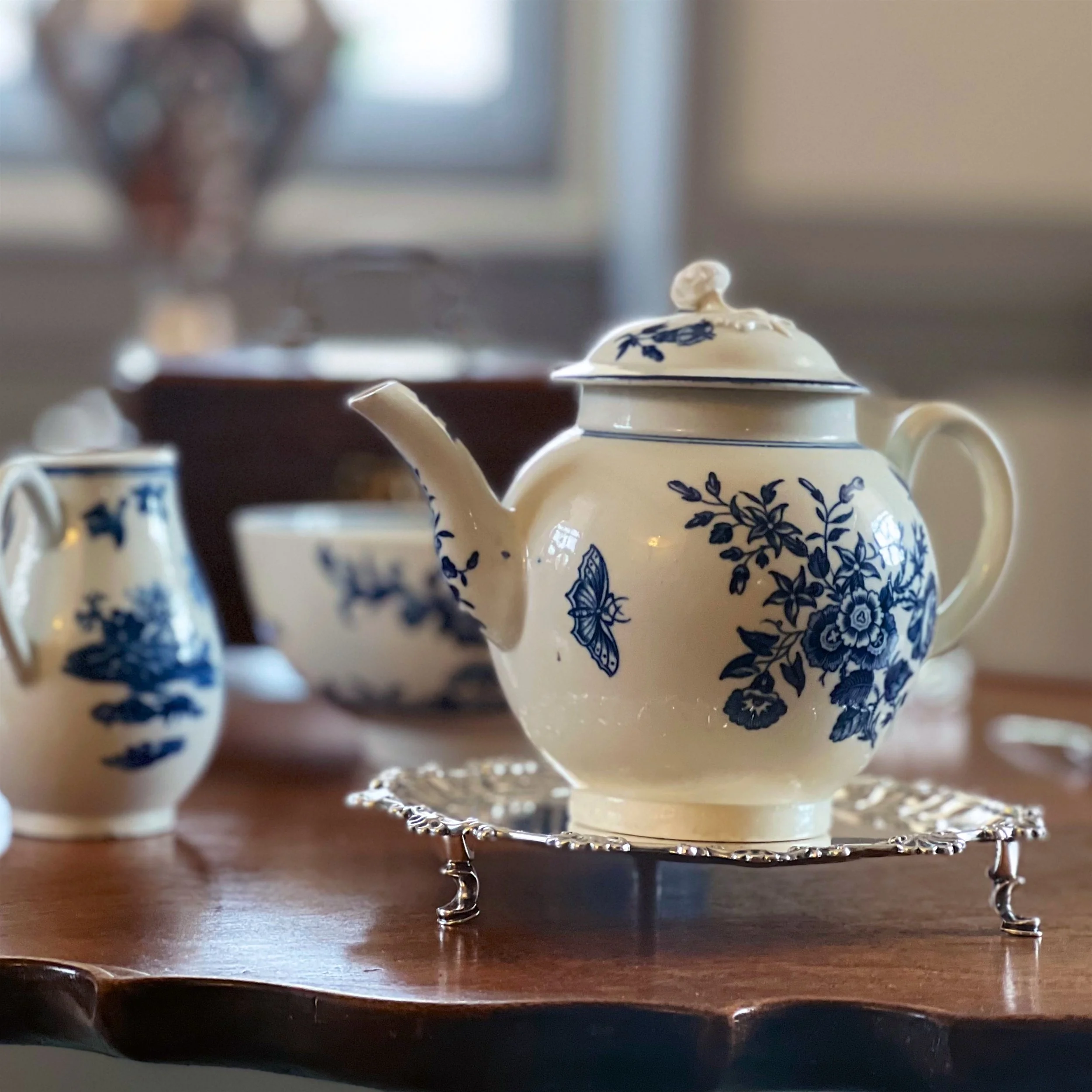
The personal domain of Mary Lloyd Chew Paca where she ran the household made decisions and hosted vistors and guests.
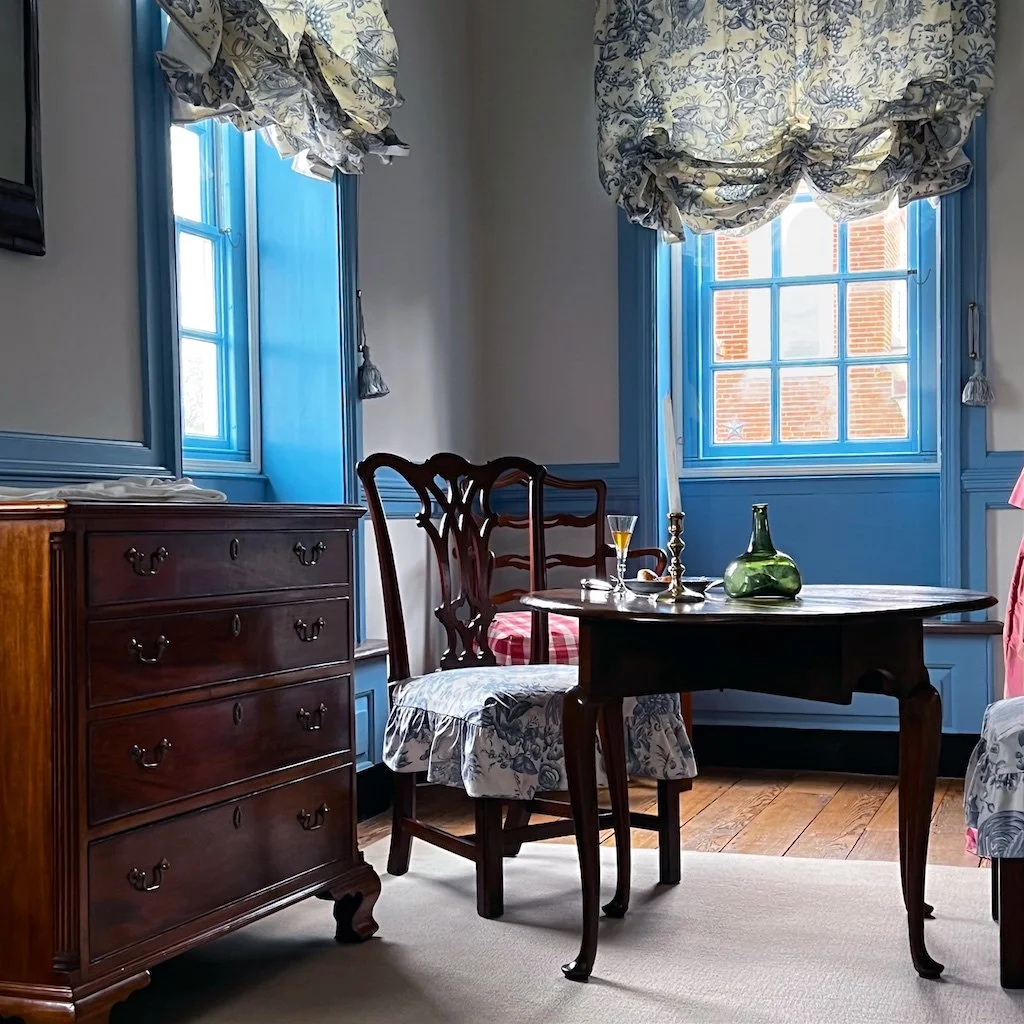
Upstairs - Main bedroom: One of Prussian blue color's main ingredients, indigo - an extremely difficult and expensive to acquire at the time- became more available through new complicated trade routes in the southern hemisphere.
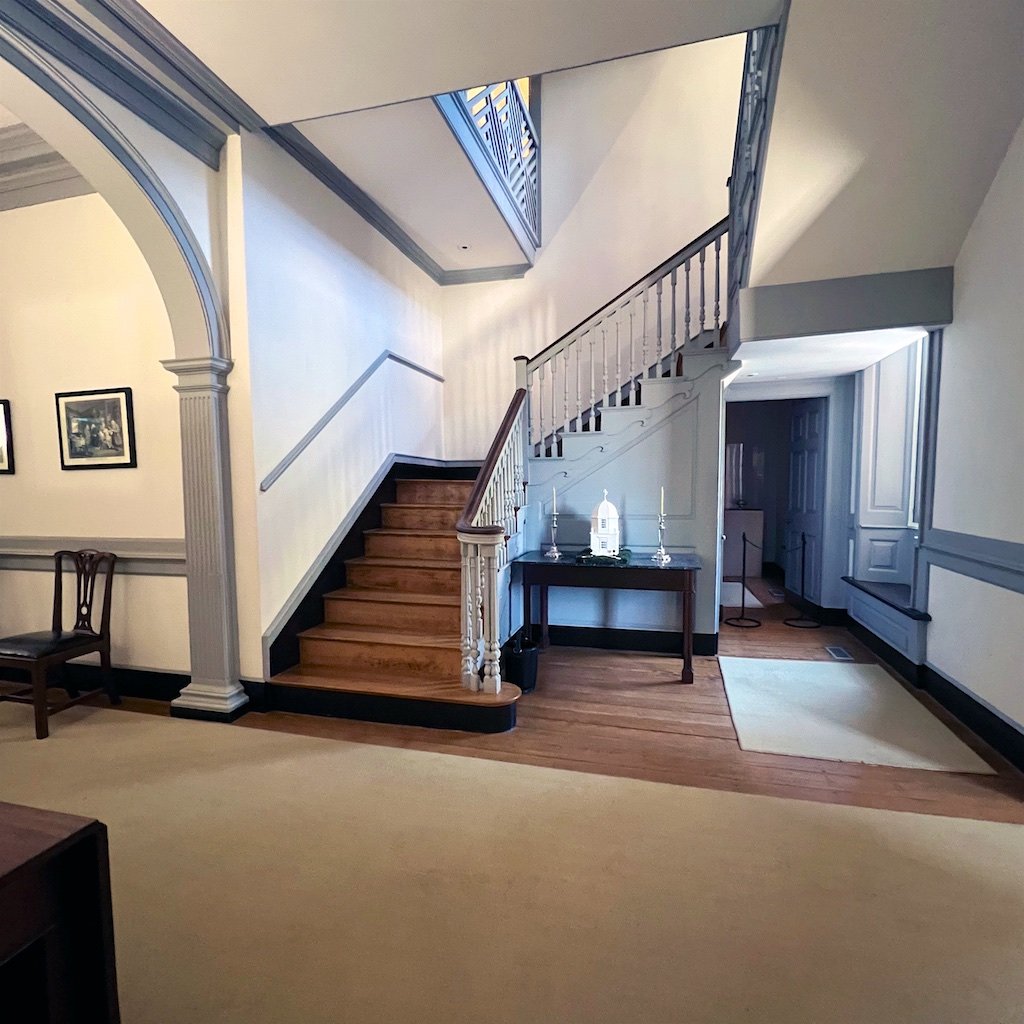
The stair to the upper floors rises from the side of the central passage hallway, allowing for open circulation within the passage
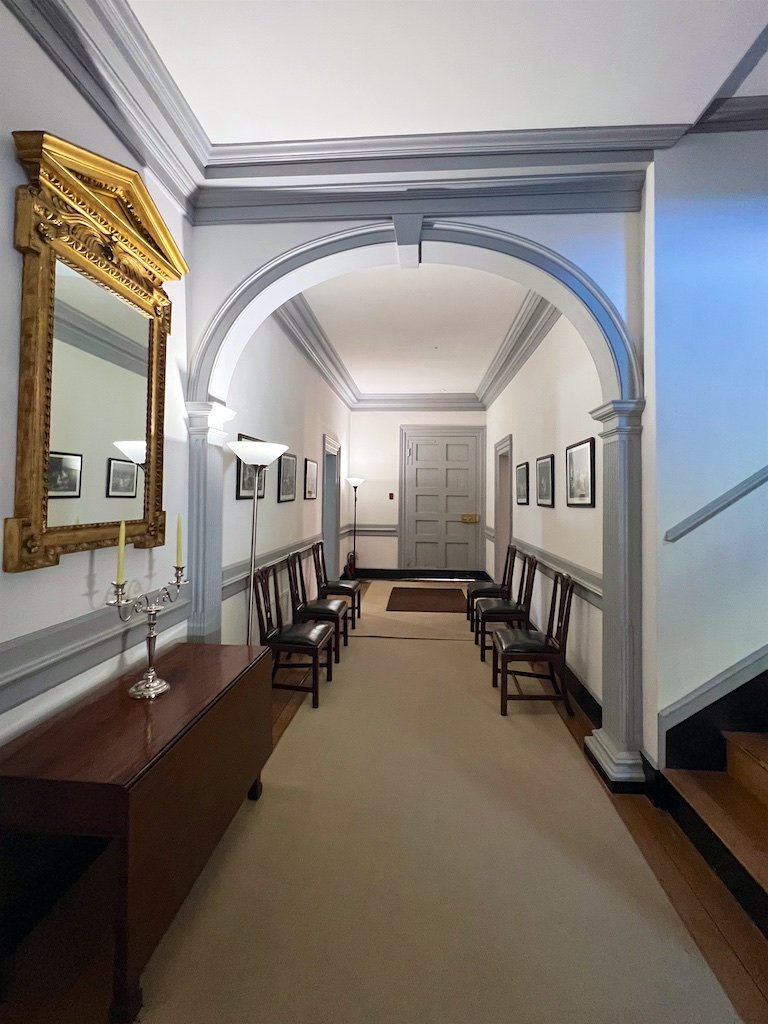
The interior plan of the house utilizes a central passage, which runs the full depth of the house.
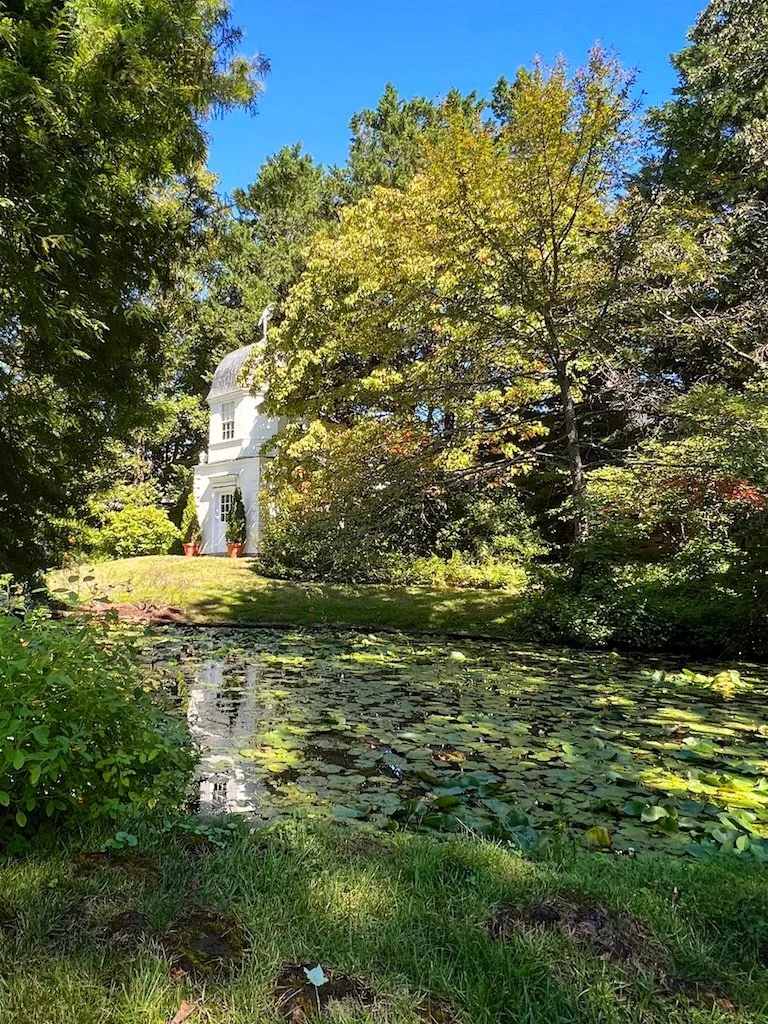
The William Paca House Gardens: Painstakingly restored to its original form using details drawn from historic artwork and archaeological excavations.
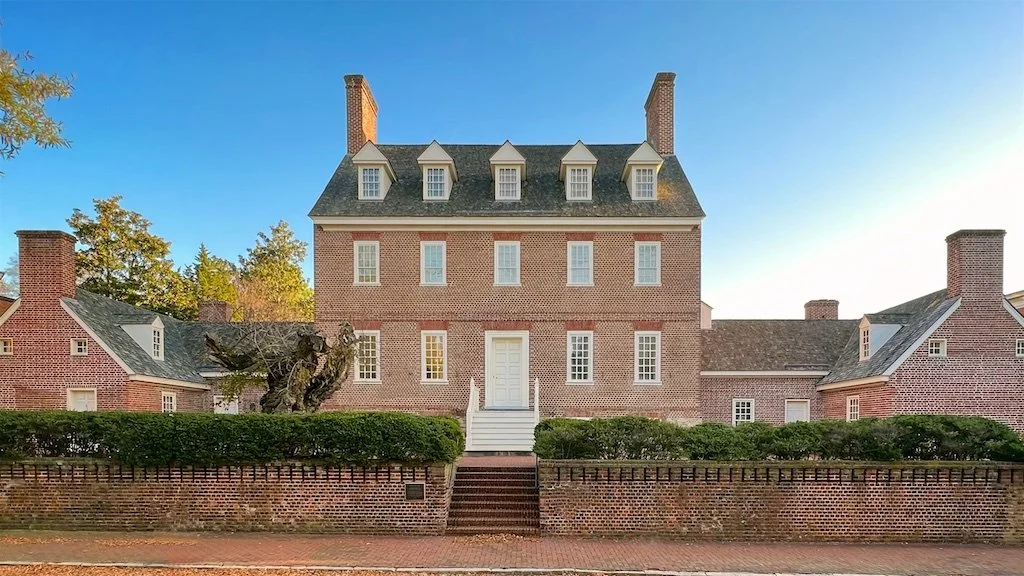
The William Paca House: Built between 1763 - 1765 is a five-part Palladian-form house in the heart of historic Annapolis.
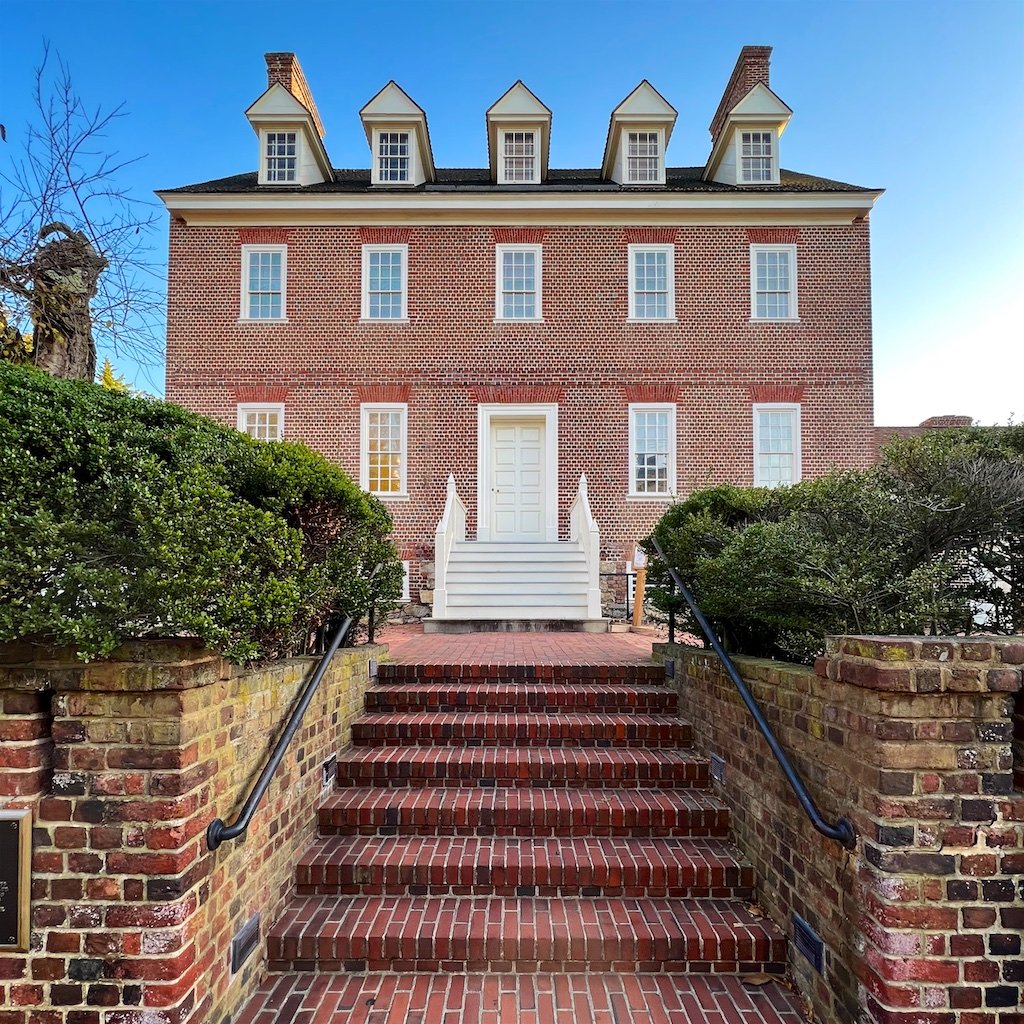
The house uses a header bond brick exterior with a full-height basement. The fieldstone foundation is embellished with “galleting”—small colored stones embedded in the mortar.