Photography by Bruce A deArmond
Gunston Hall: Georgian Architecture, built between 1755 and 1759 — Home of George Mason, Fairfax County, Virginia
Gunston Hall features some exceptional woodwork. English indentured servant architect William Buckland (1734-1774) worked on the house after coming from England. Buckland signed an indenture with Thomson Mason, George Mason's brother, on 4 August 1755. The exterior walls of Gunston Hall were probably complete when Buckland arrived. He likely designed the portico on the "south front" overlooking Mason's formal garden and the river. The portico resembles a garden temple in William Paine's The Builder's Companion and Workman's General Assistant (1758).
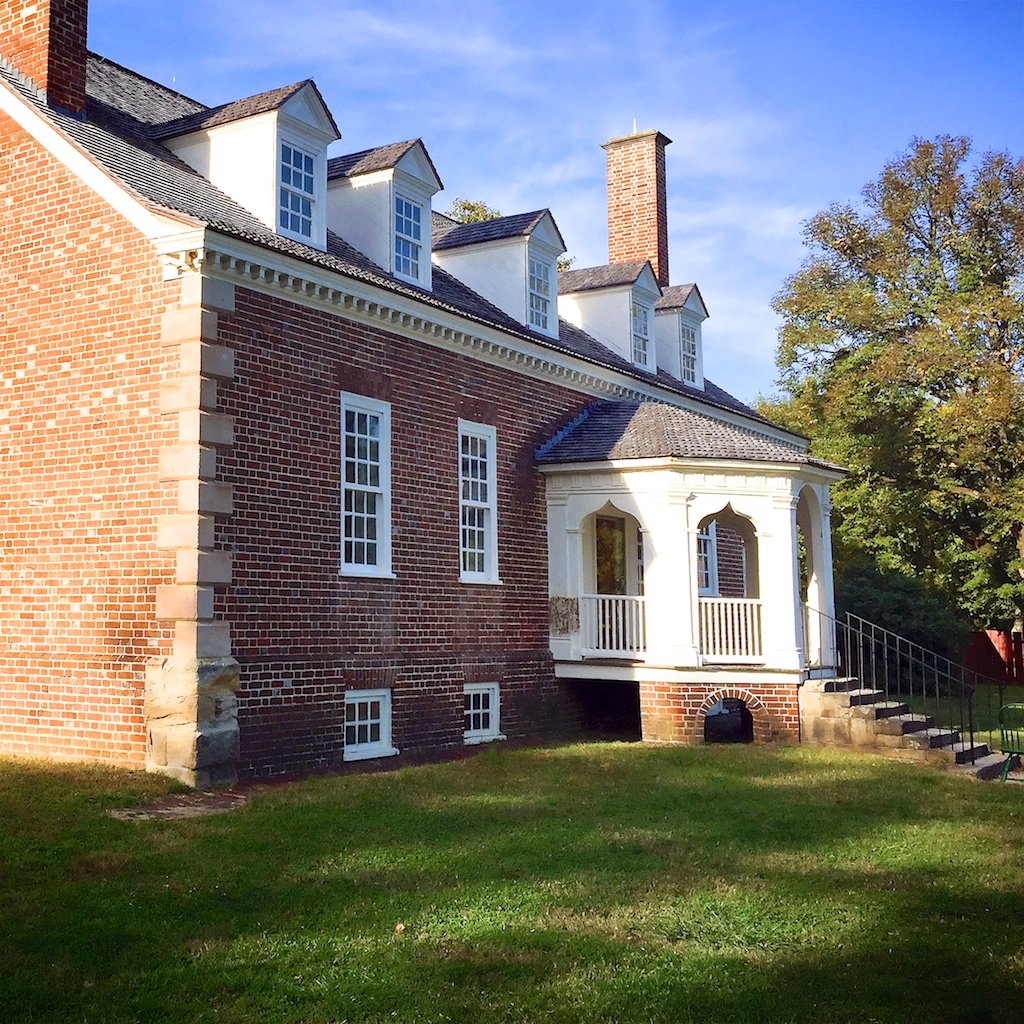
The south porch is a very rare example of Gothic Chippendale design that was directly from England to Northern Virginia via the arrival of William Buckland.
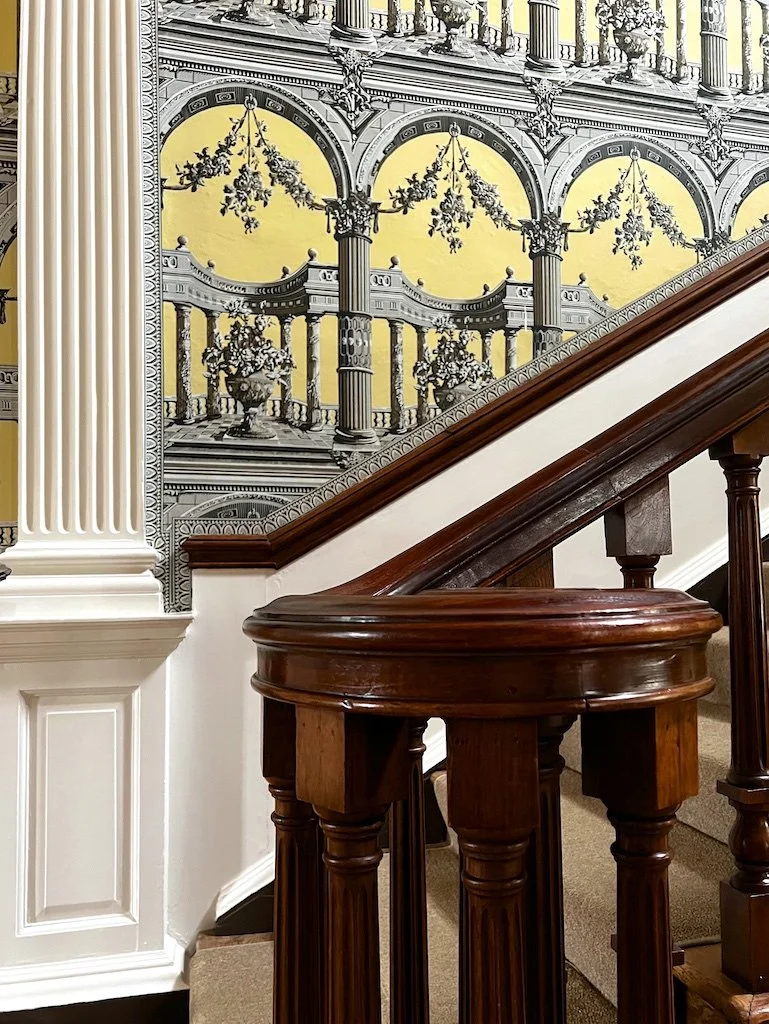
The stair brackets in the hallway are just one example of the exquisite carving in the public areas of the house.
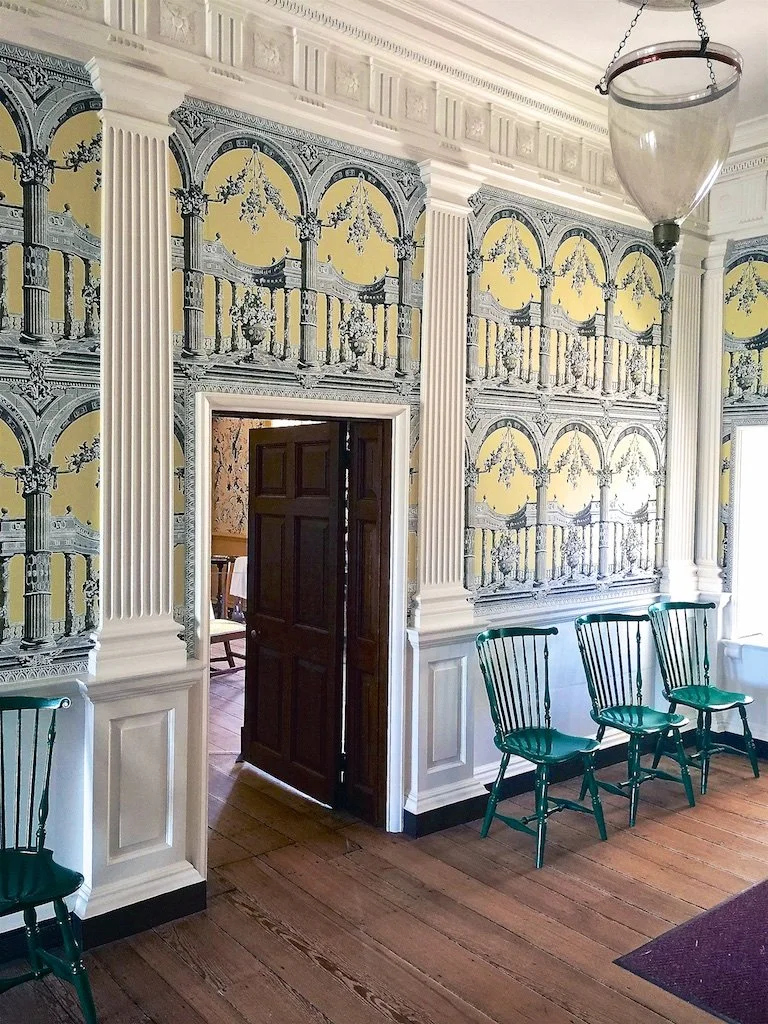
The central passage is lined by six symmetrical Doric-style pilasters. The front of the hall is covered in wallpaper.

The public spaces were meant to impress visitors with the latest styles arriving from Britain.
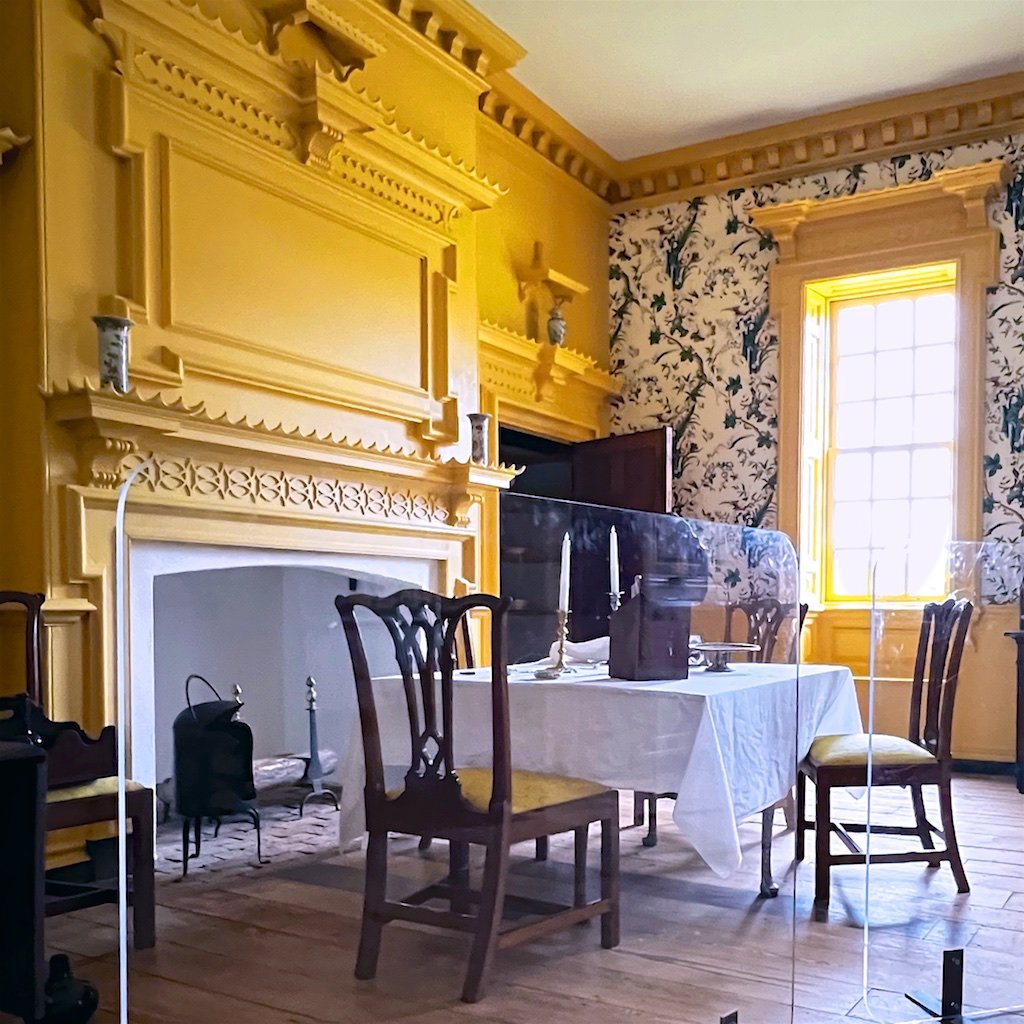
While chinoiserie was popular in Britain in the early 18th century, it was virtually unknown in America when Gunston Hall was built and the dining room is the earliest example of this style in Virginia.
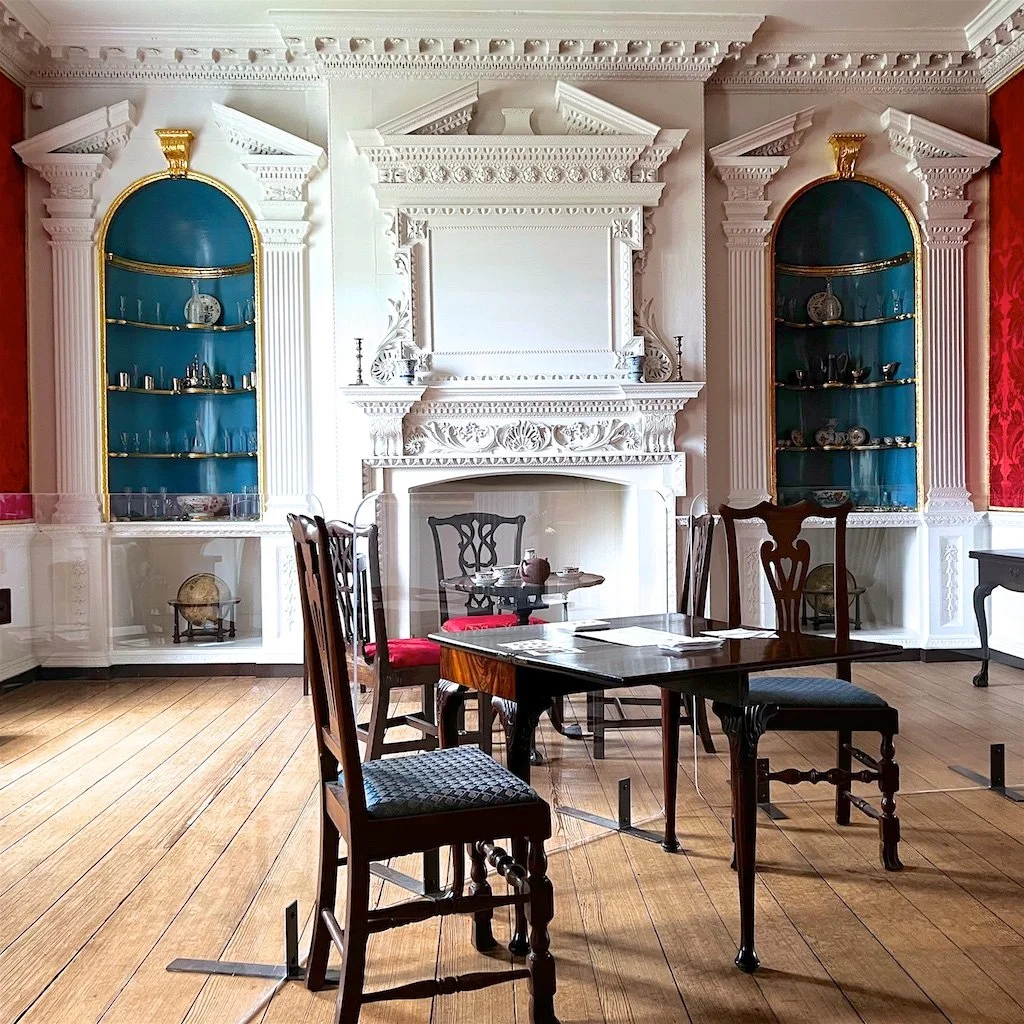
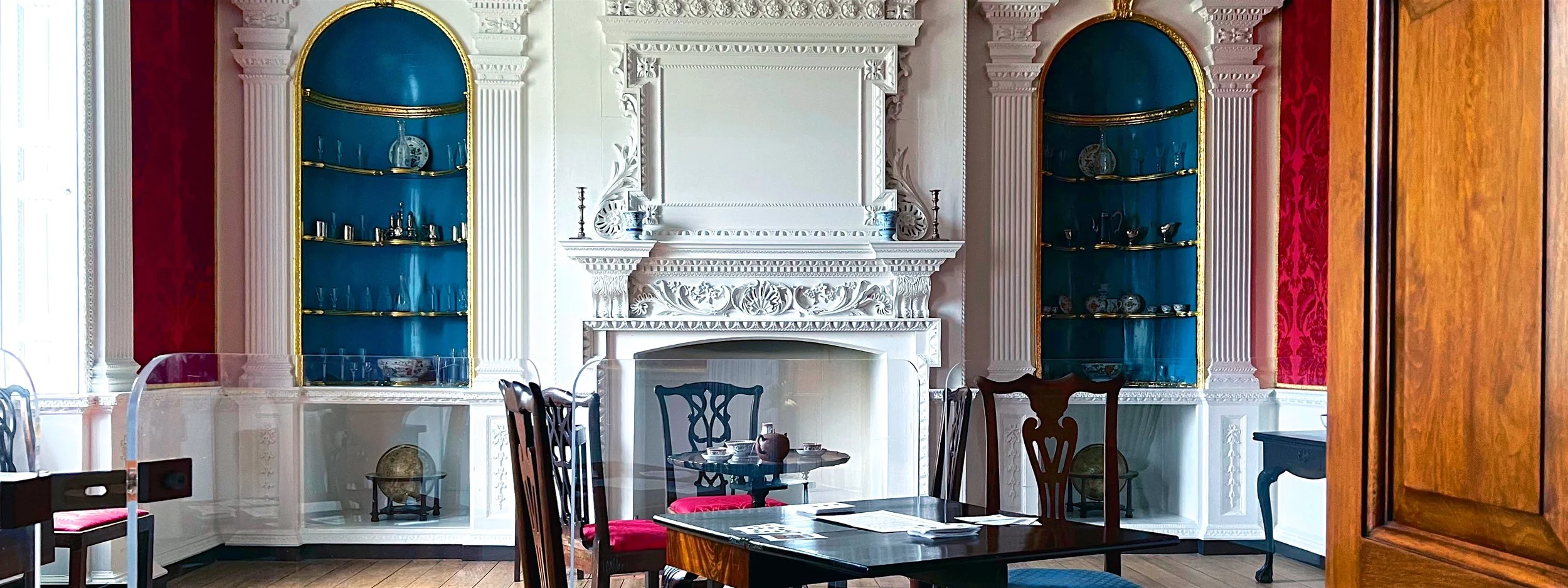
The formal, Palladian-style room in Gunston Hall features rococo woodwork. Two gifted English indentured servants, carpenter and joiner William Buckland and master carver William Bernard Sears, were responsible for the interior work.
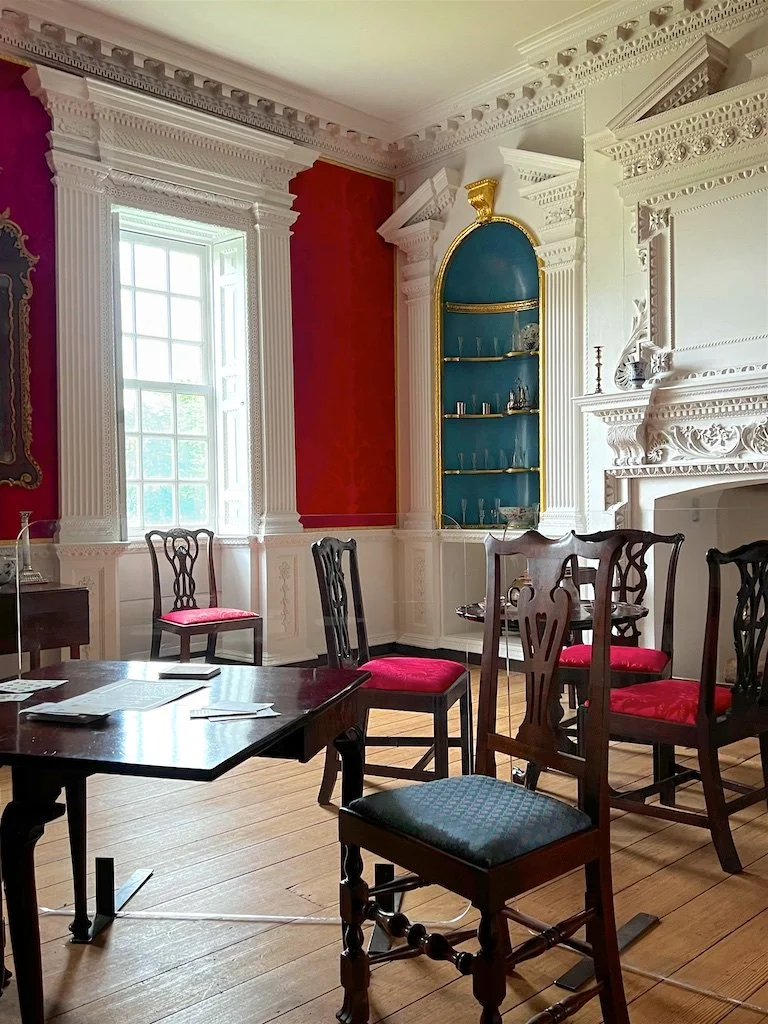
Gunston Hall is one of America's most important examples of Georgian architecture. Built c. 1755-59, the house is noted especially for its remarkable interior woodwork by William Buckland. After passing through several owners, Gunston Hall is restored to the period of Masons' residency.
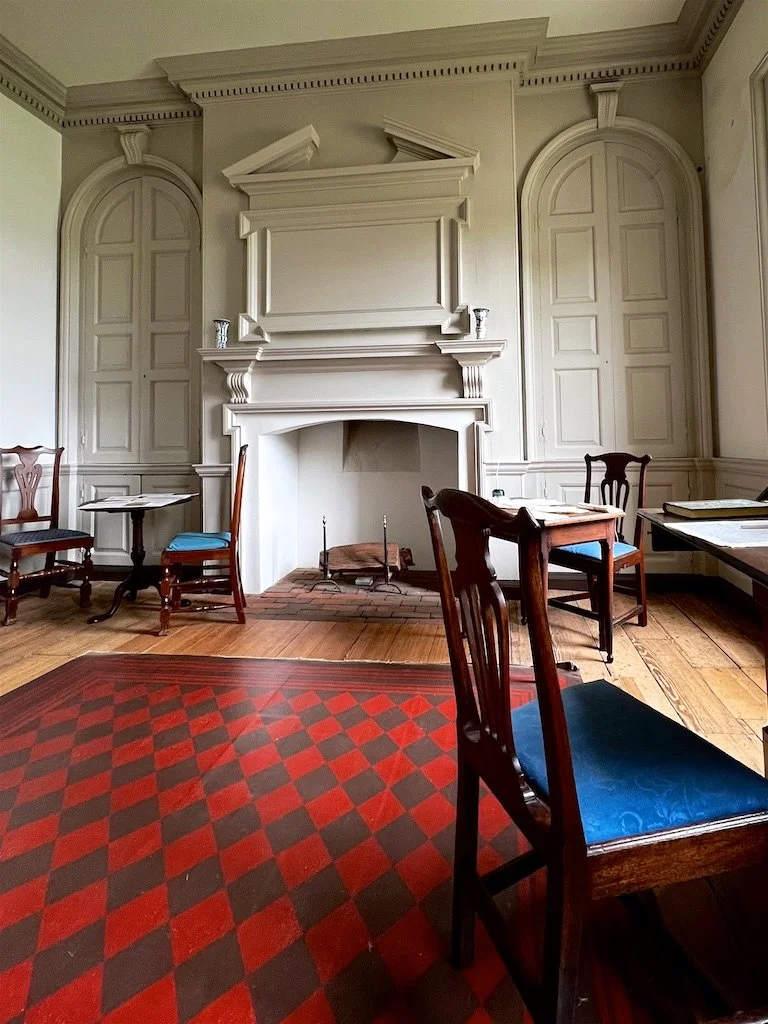
The little parlor was private and decorated plainly. The walls were painted a neutral grey. Above the fireplace is a split pediment overmantel.
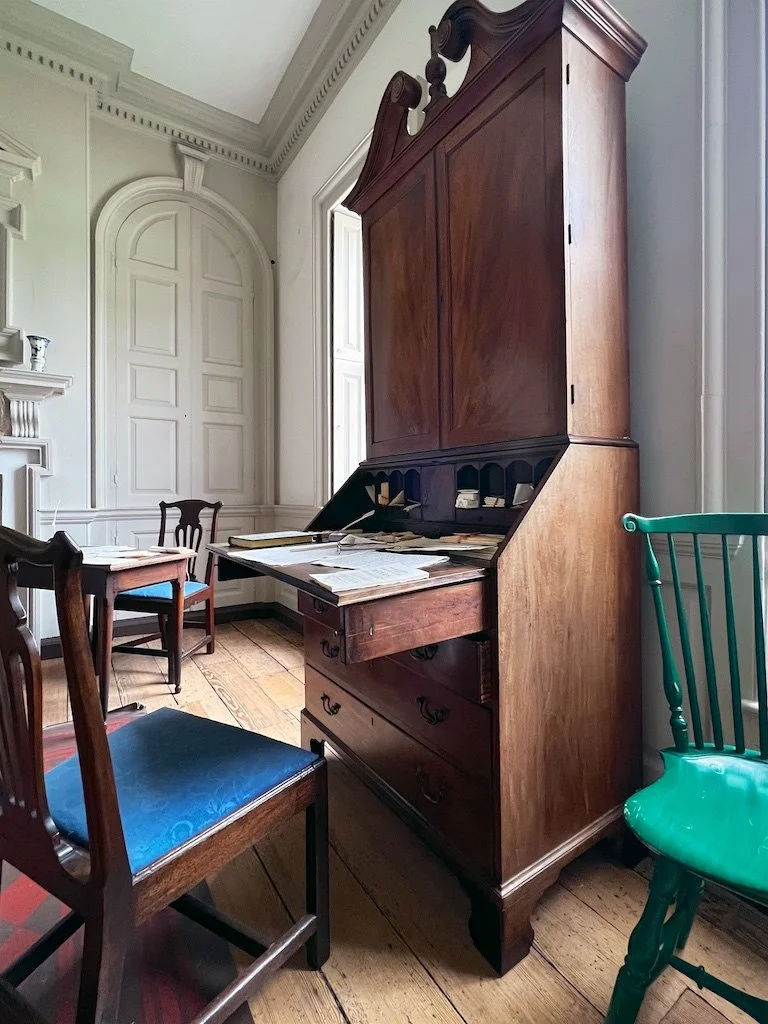
On either side of the fireplace are deep-shelved beaufats (niches) to store and display the tableware, with doors to secure valuable possessions. The desk belonged to George Mason.

Toward the end of Mason's life, this primary bed chamber was painted in high gloss emerald green, an on-trend color technique for the time that spread through the colonies.
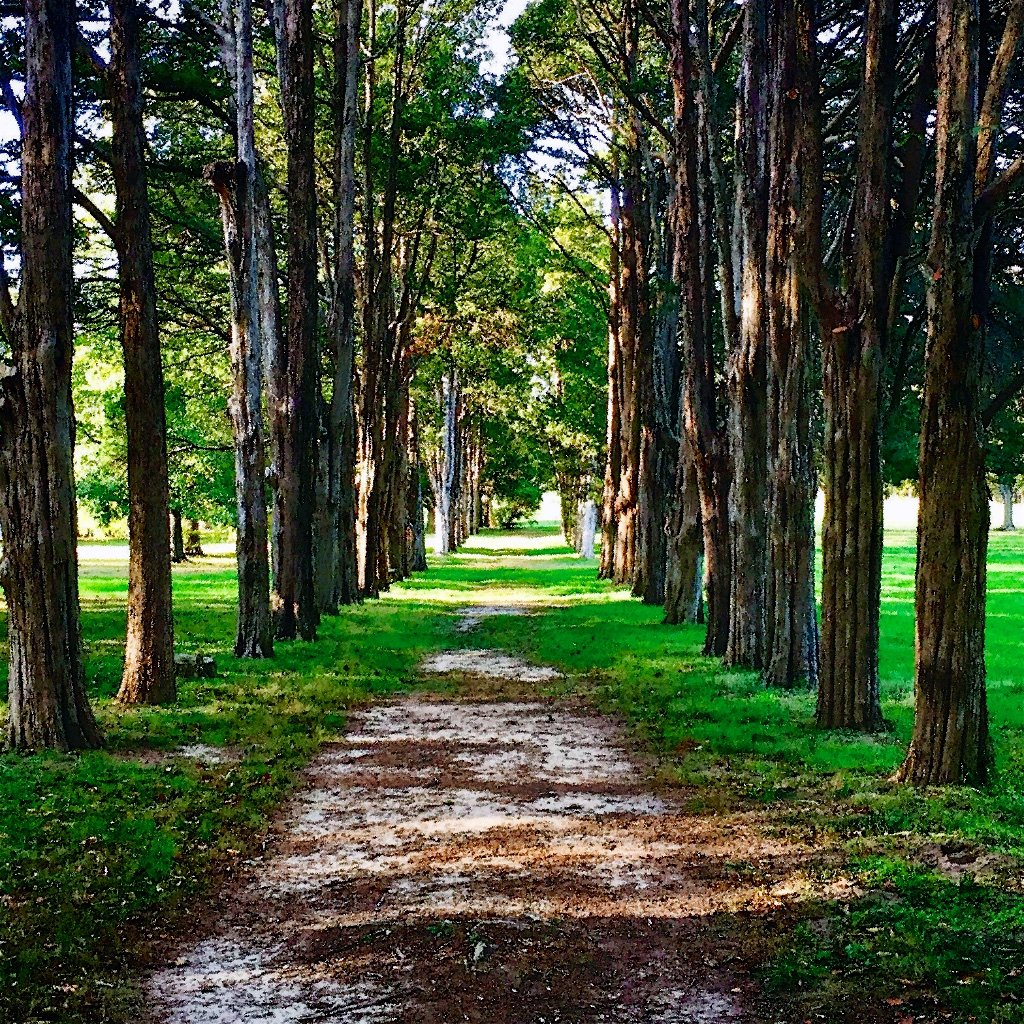
The Masons both envisioned and achieved a unity of house and gardens that was characteristic of classical English estates.
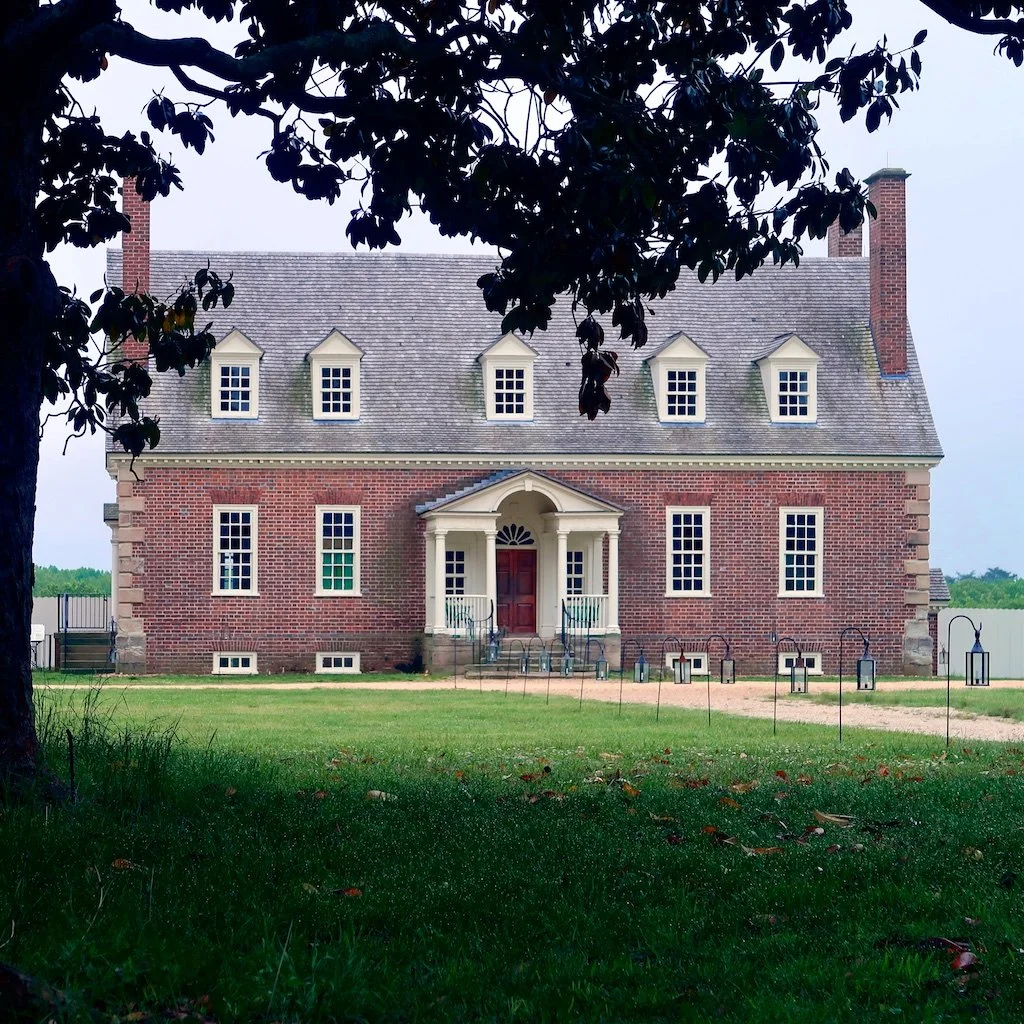
Gunston Hall is one of the most important examples of Georgian architecture in America. Built c. 1755-59, the house is noted especially for its unexcelled interior woodwork by William Buckland.
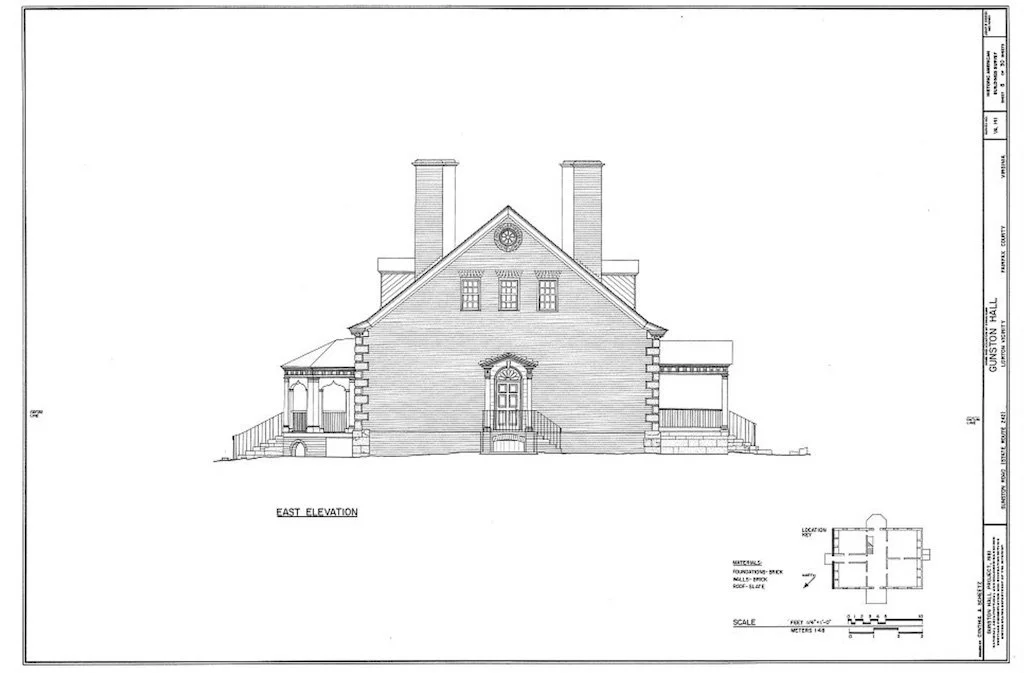
This elevation shows both the north and south porticos designed by William Buckland for Gunston Hall.
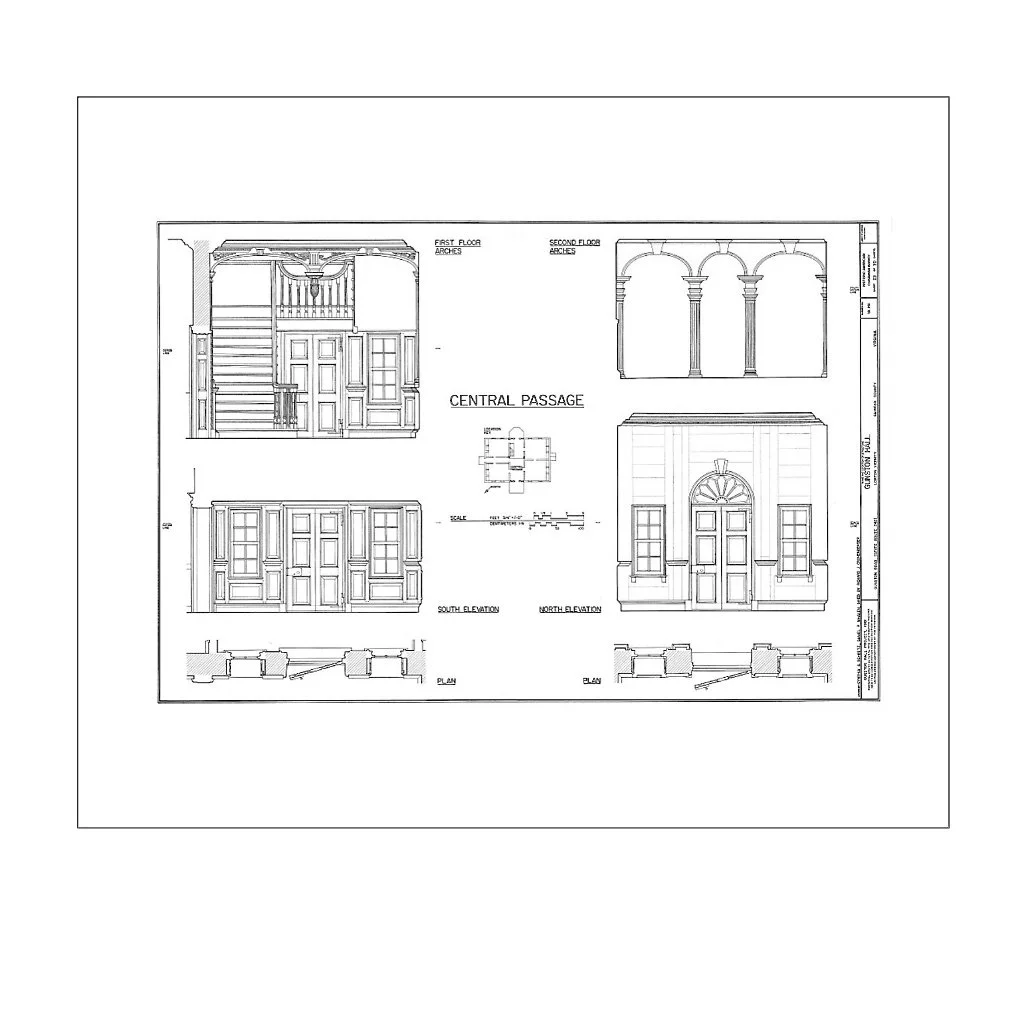
Gunston Hall Central Passage elevations