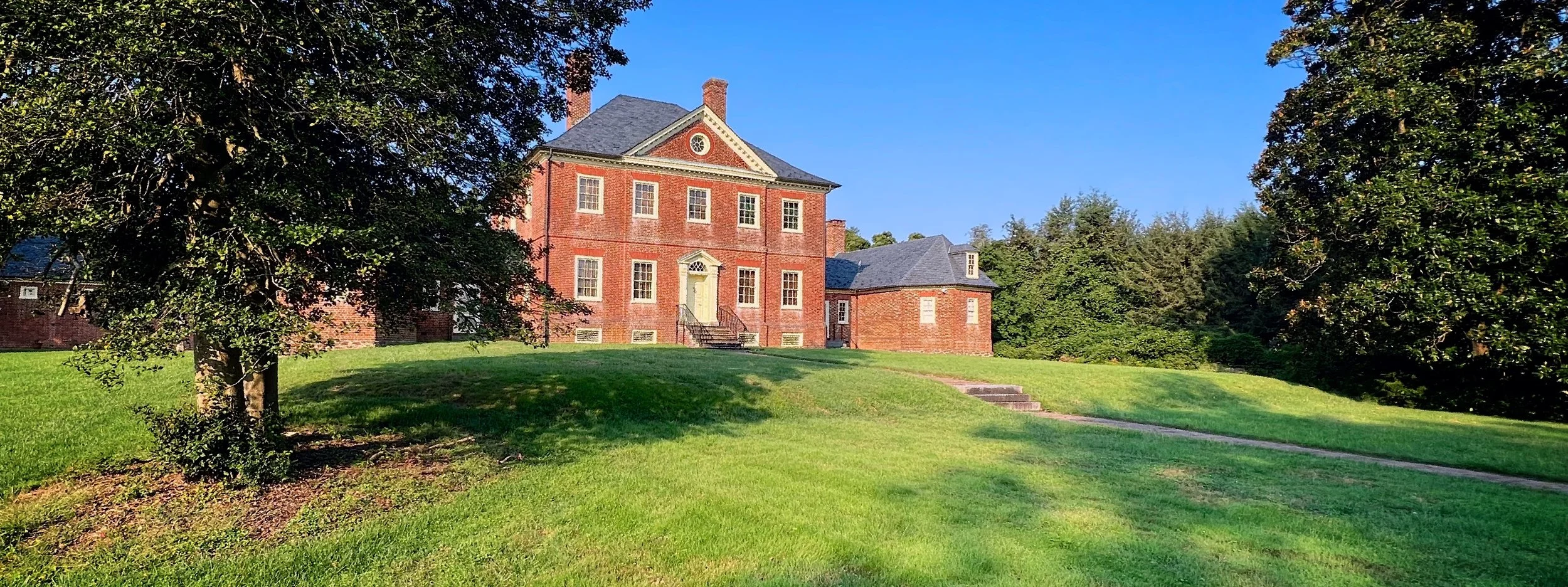
Photography by Bruce A deArmond
Montpelier Mansion: Georgian style architecture, constructed between 1781 and 1785 — Home of Major Thomas Snowden and his wife Anne, Laurel, Maryland
Located south of Laurel in Prince George's County, Maryland, Montpelier Mansion is a five-part, Georgian-style plantation house most likely constructed between 1781 and 1785. It is also known as the Snowden-Long House, built by Major Thomas Snowden and his wife, Anne. The plantation house was home to four generations of Snowdens - The Snowden family would build their wealth through ironworks along the Patuxent River. The historic home is now reflecting its ownership by Nicholas Snowden (Thomas and Anne's son) in 1830.
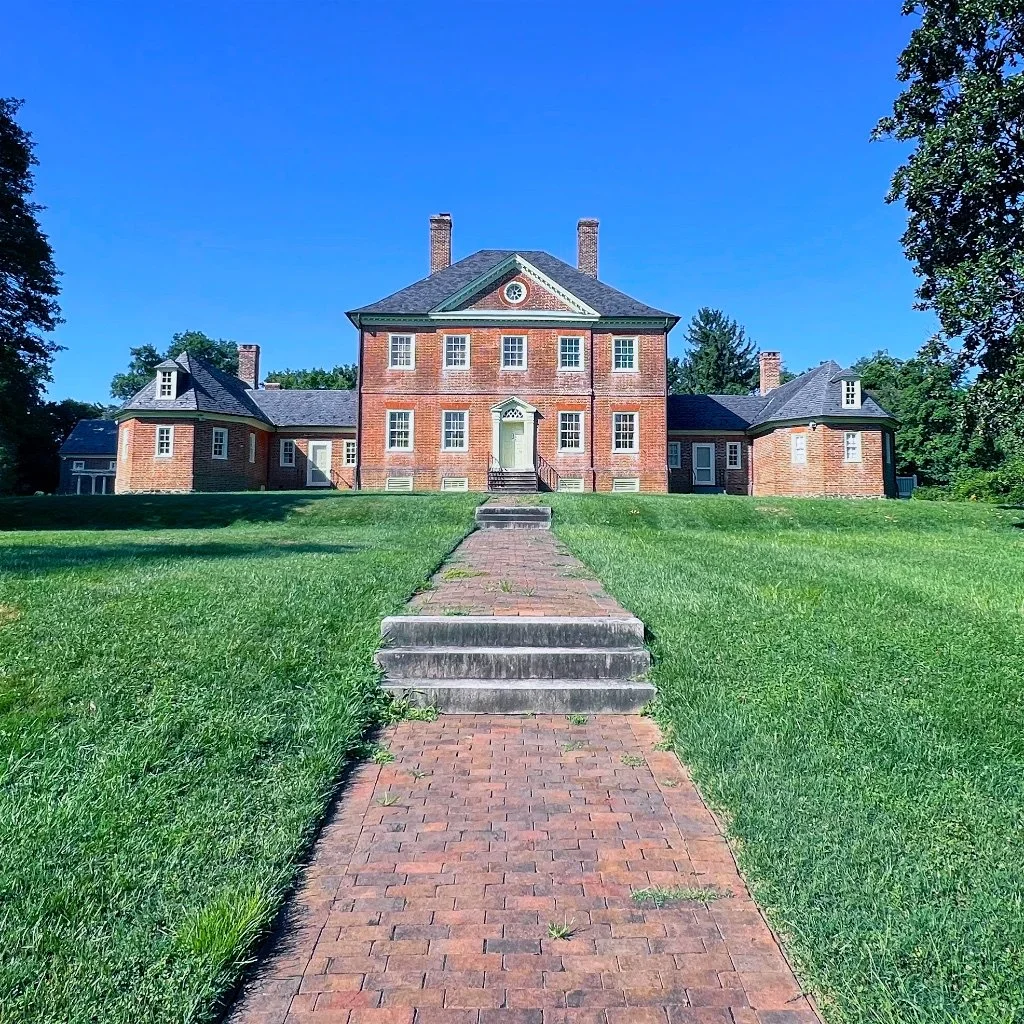
William Buckland: The addition of the architectural hyphens and the refined interior detailing of Montpelier is credited as the work of William Buckland. Other covered Buckland architecture includes Gunston Hall and the Hammond-Harwood House.
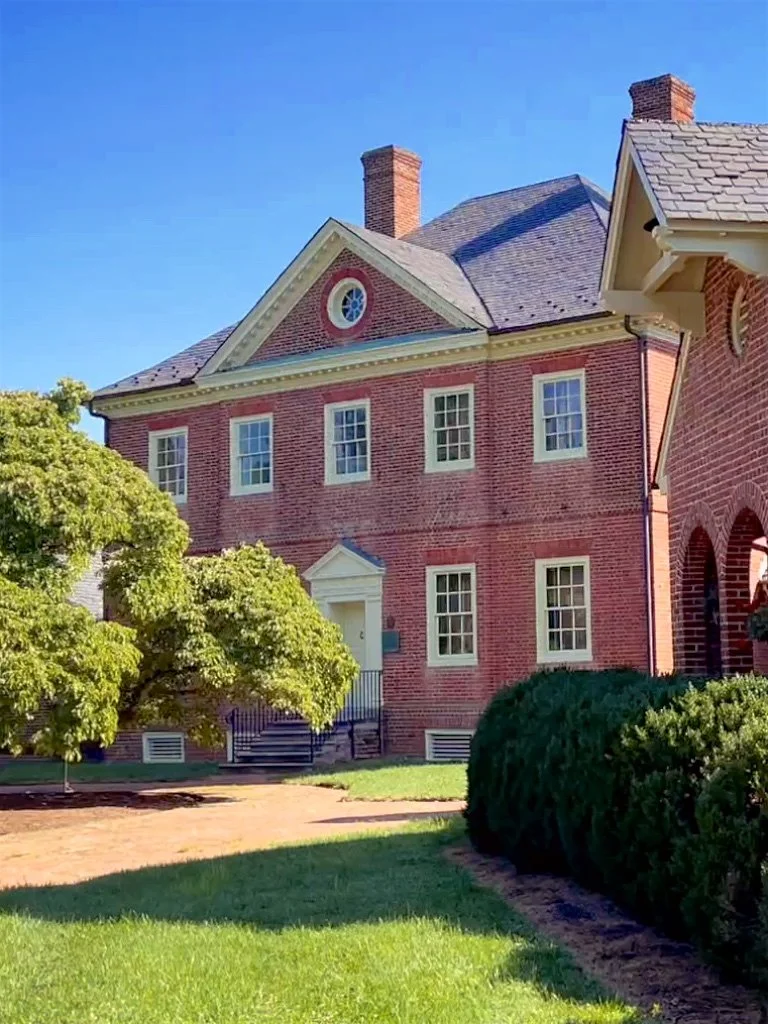
Buckland's distinctive styling and specific knowledge of the latest English styles (Georgian, Palladian-influenced, Adamesque) identify his work.
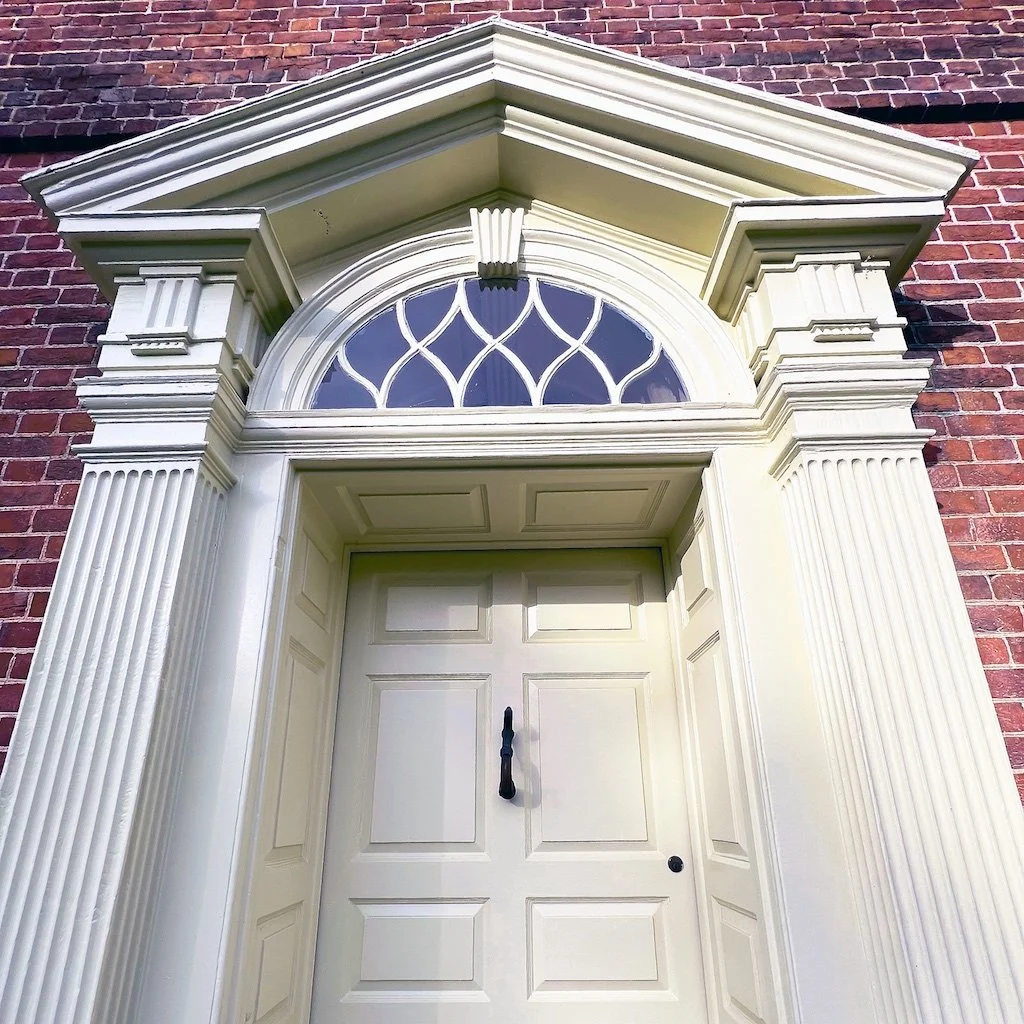
Snowden-Long House: Officially known as the Snowden-Long House. It's notable not just for its age and historical value but for the many detailed architectural elements that are part of the exterior and interior of Montpelier.
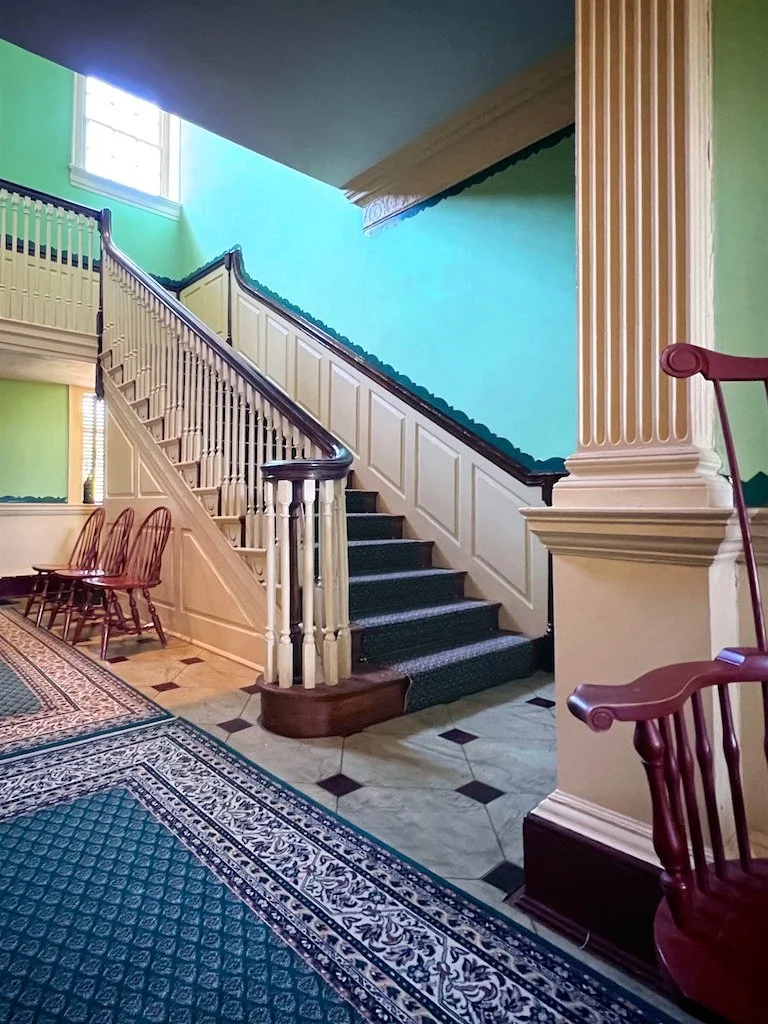
The center hall runs from front to back and is unobstructed by the stairway. The hall is adorned with a plaster entablature similar to that found at Mount Vernon.
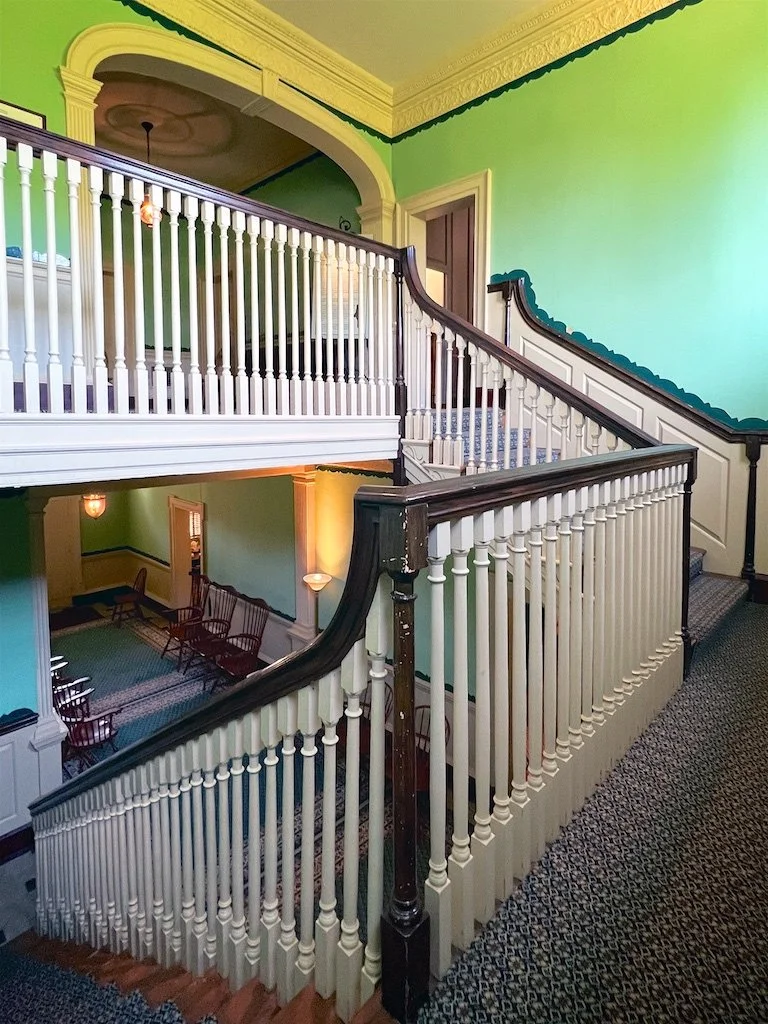
Major Thomas Snowden organized the talent to create the beautiful interior woodwork we see today. The carving may have been done by an indentured woodcarver sent to Snowden by George Washington.
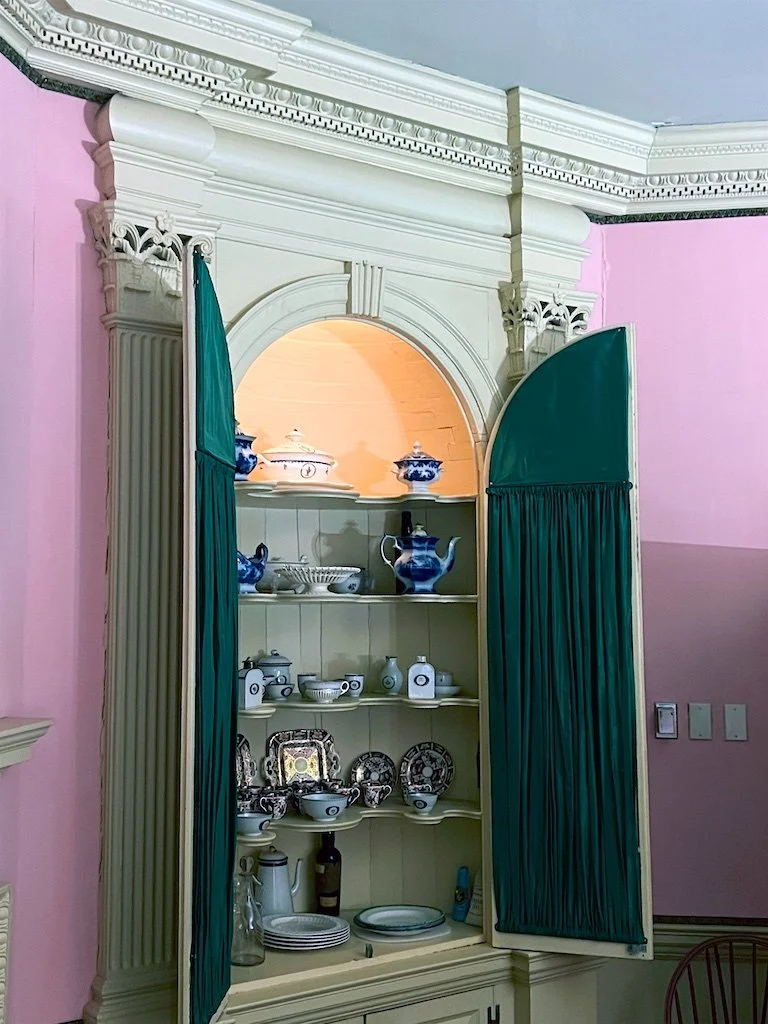
Dining Room: The dining room has the most elaborate moldings and beautifully executed Corinthian columns—As the most prominent space for entertaining where the family's hospitality is most visible.
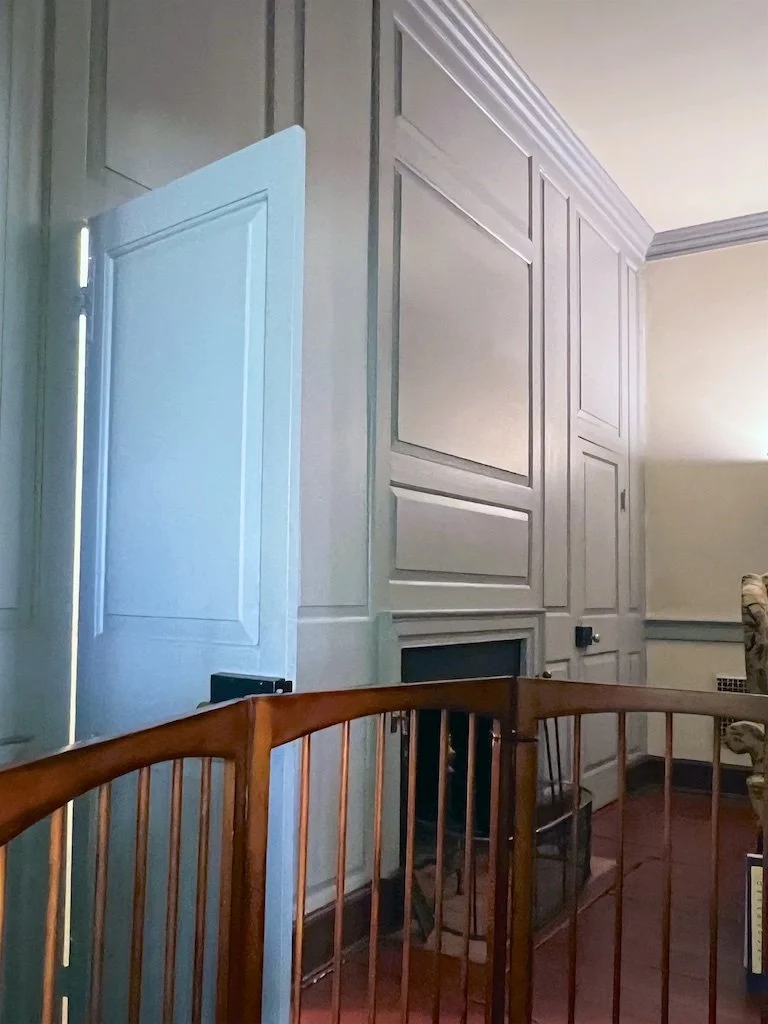
Second-Floor Bed Chamber: A simpler cornice and chair rail from those in the more formal downstairs—this room features a hidden paneled door leading to the service stairs.
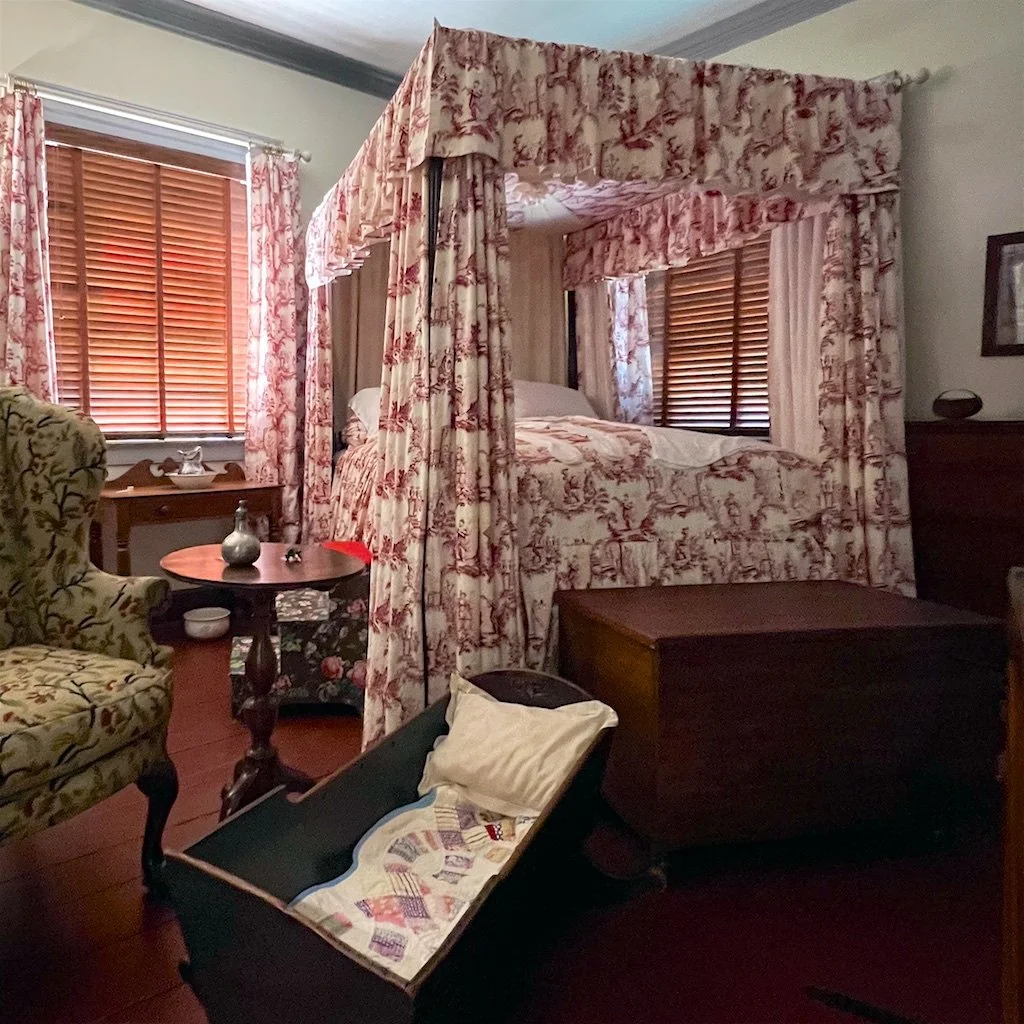
Montpelier hosted an assortment of guests, friends, and family that would evolve with the time of year and the weather.
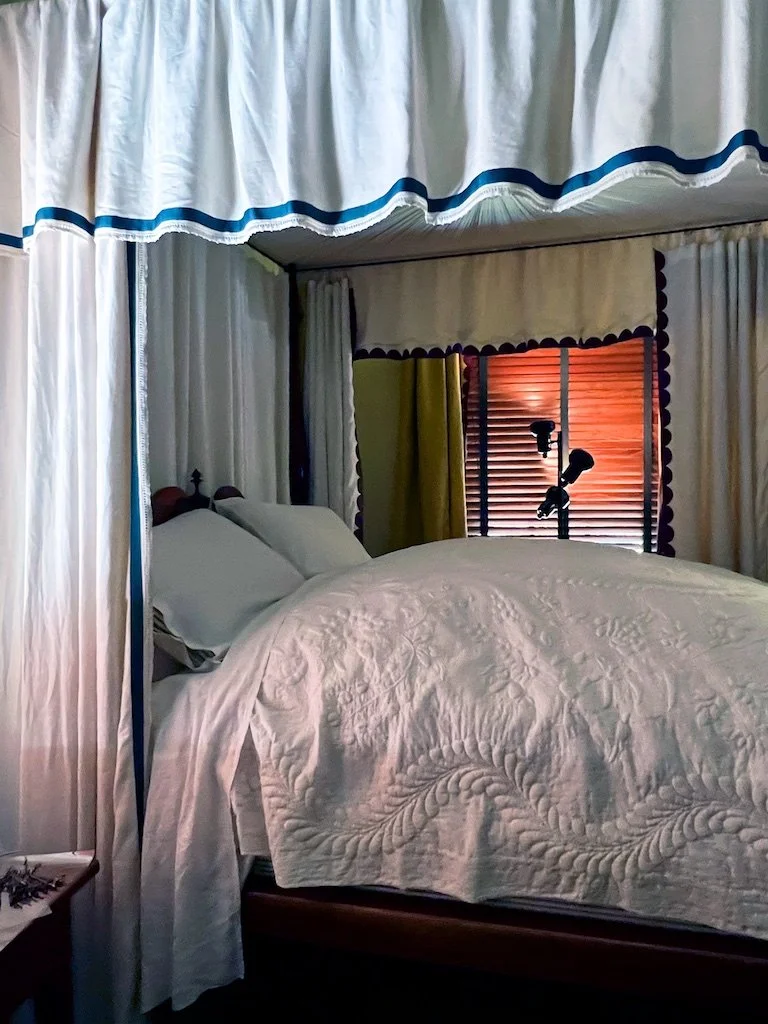
George Washington stopped on his way to and after returning from the Constitutional Convention in 1787. Here, Abigail Adams rested on a journey between Baltimore and Washington, DC
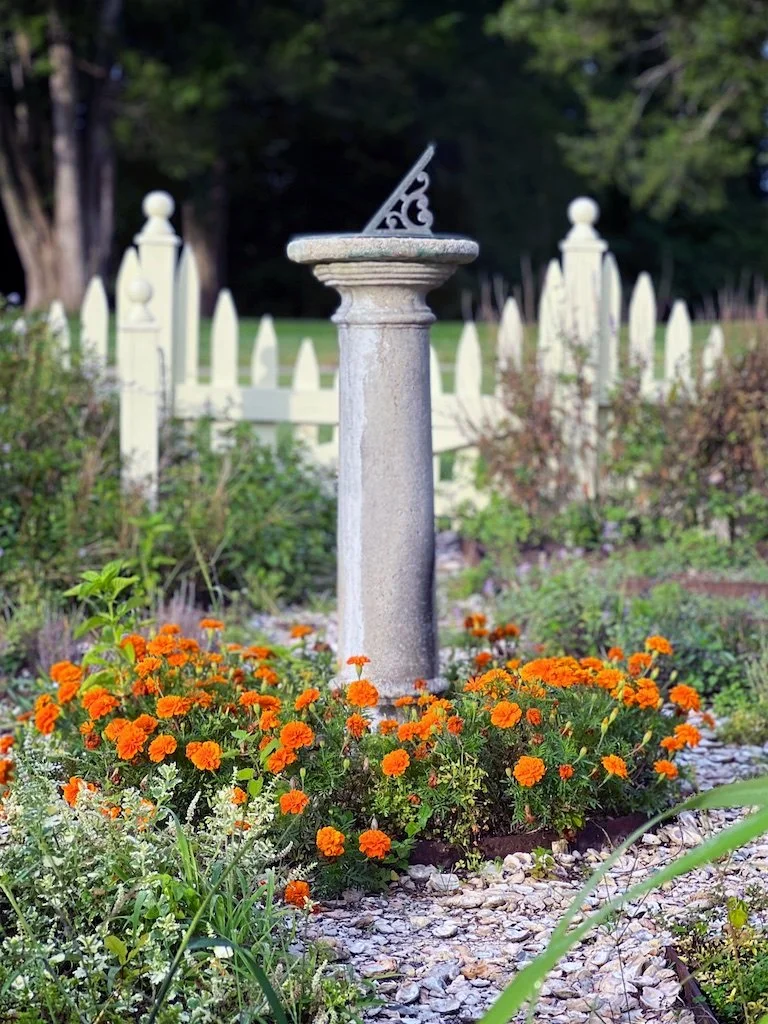
Montpelier is surrounded by lush evergreens and 200-year-old boxwoods, including a picket-fenced colonial revival herb and flower garden.
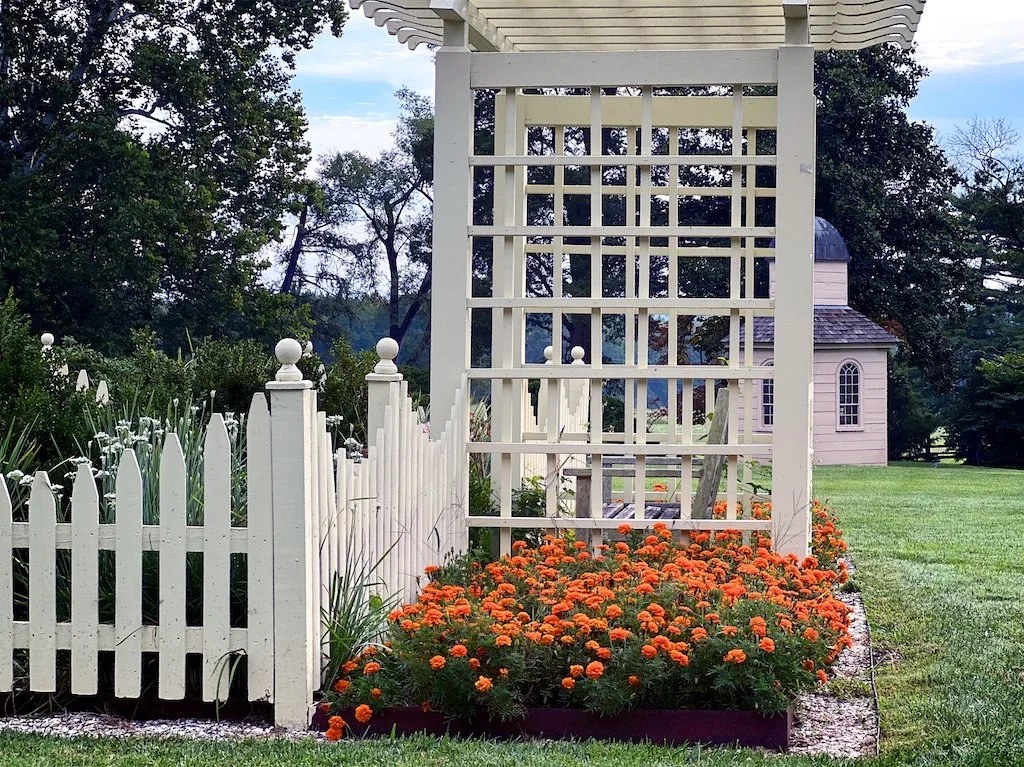
The Montpelier gardens include the original 18th-century summerhouse and over 70 acres of fields and wooded paths.
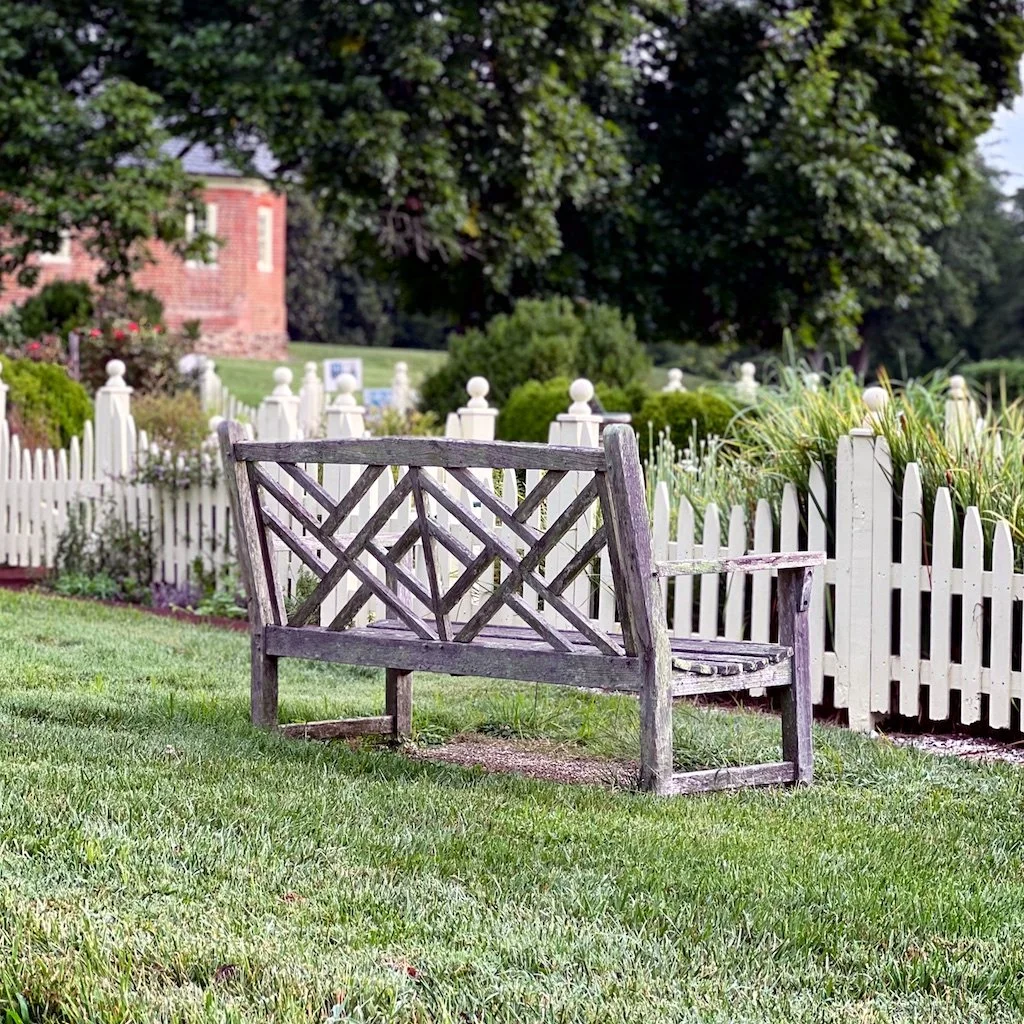
Monpelier Colonial Revival Garden: Today, Montpelier features a picket-fenced colonial revival herb and flower garden with pathways covered in oyster shells and brick-lined edging detail.
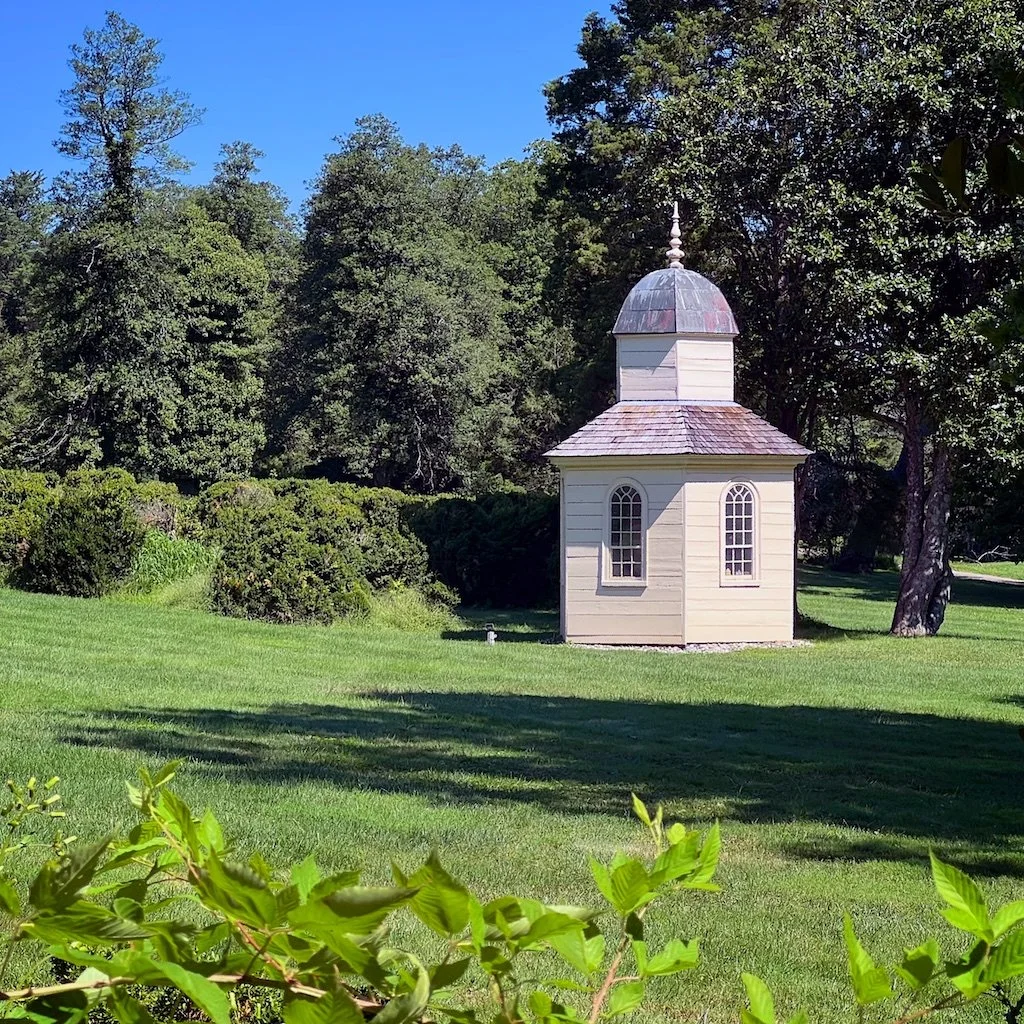
The Summer House is a rare existing hexagonal structure with a shingle roof, shiplap siding, and a cupola. The original structure was built in c. 1793.
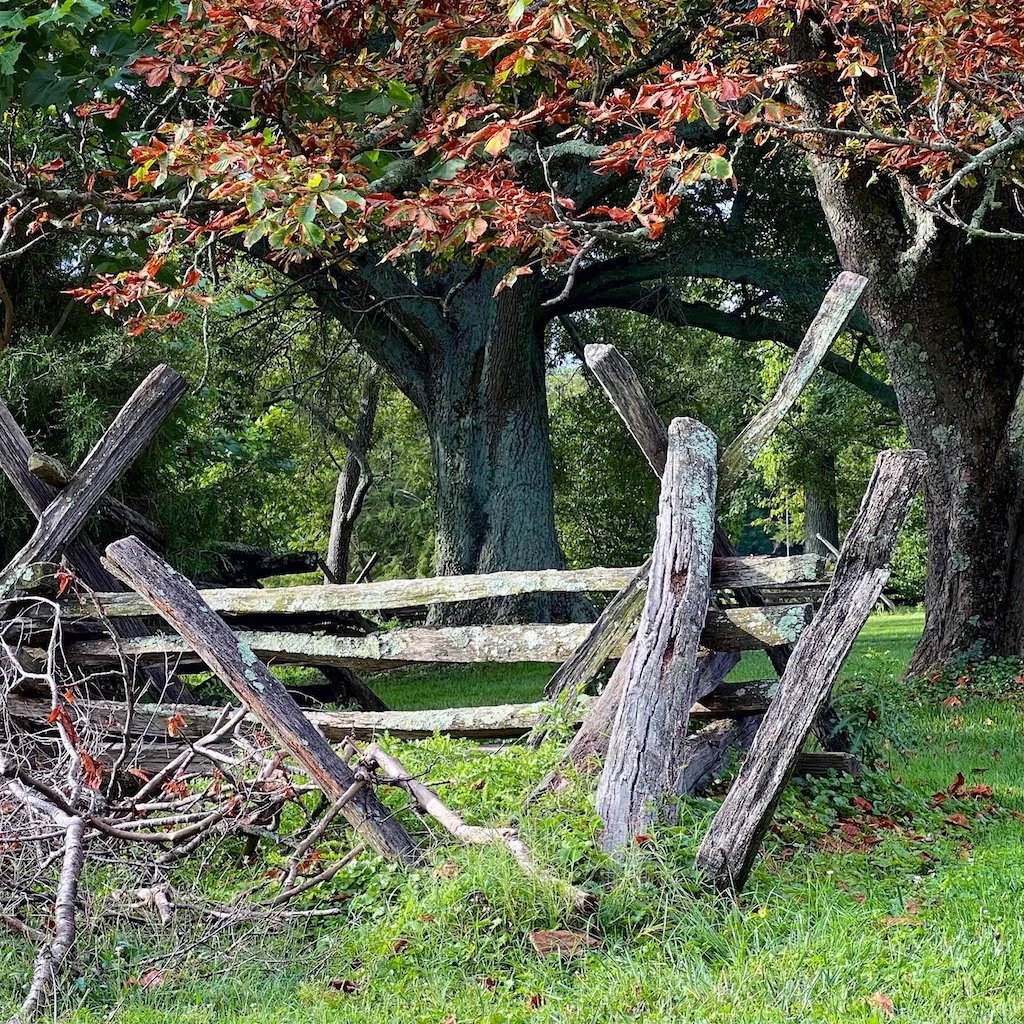
Part of the experience of Montpelier is the large expanse of 70 acres creating a setting that conveys the experience of past and present - an oasis of tranquility.
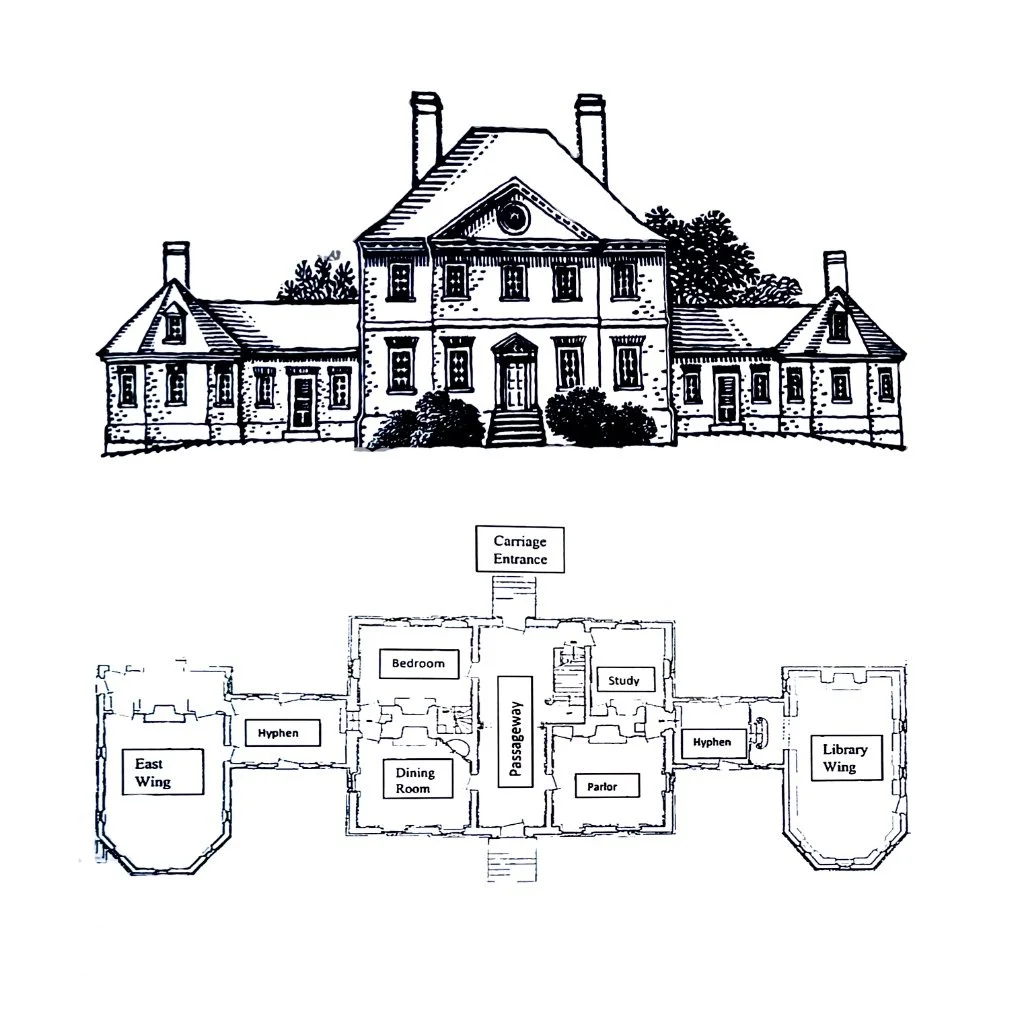
Montpelier Mansion: The centerpiece of Montpelier is a large, two-and-a-half-story, Flemish bond brick structure measuring 46 x 40 feet and sitting on a raised basement.