Photography by Bruce A deArmond
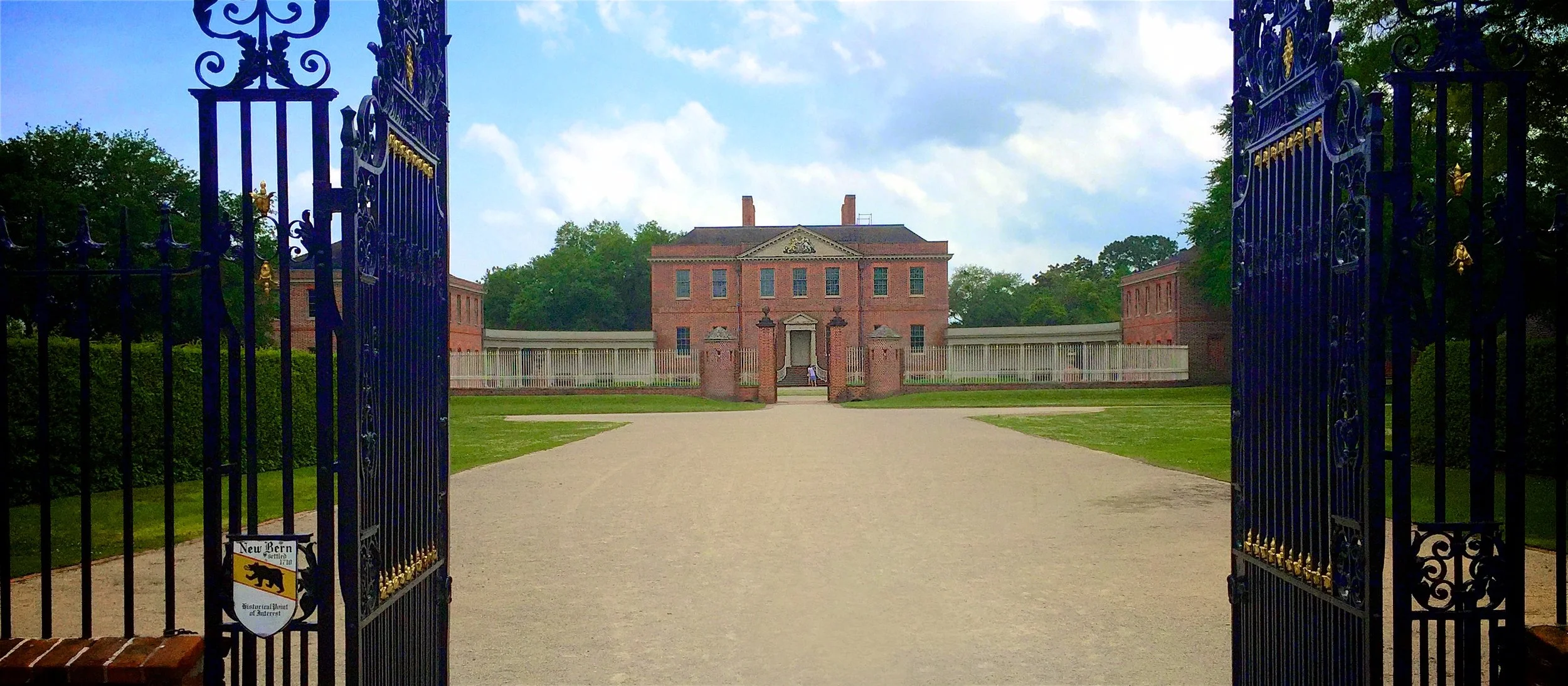
Tryon Palace: English Palladian Architecture, built 1767-1770, English Architect John Hawks — North Carolina Royal “Government House” 1770 to 1775 , New Bern, North Carolina
Tryon Palace, formerly called Governor's Palace, New Bern, was the official residence and administrative headquarters of the British governors of North Carolina from 1770 to 1775. Located in New Bern, North Carolina, the palace was often at the center of state occasions and hospitality. The residence was seized by patriot troops in 1775. Shortly after the state capital was relocated to Raleigh in 1792, the main building burned to the ground. The Palace went through an extreme 30-year restoration faithful to the original architect's plans was erected on the site in the 1950s and opened to the public in 1959.
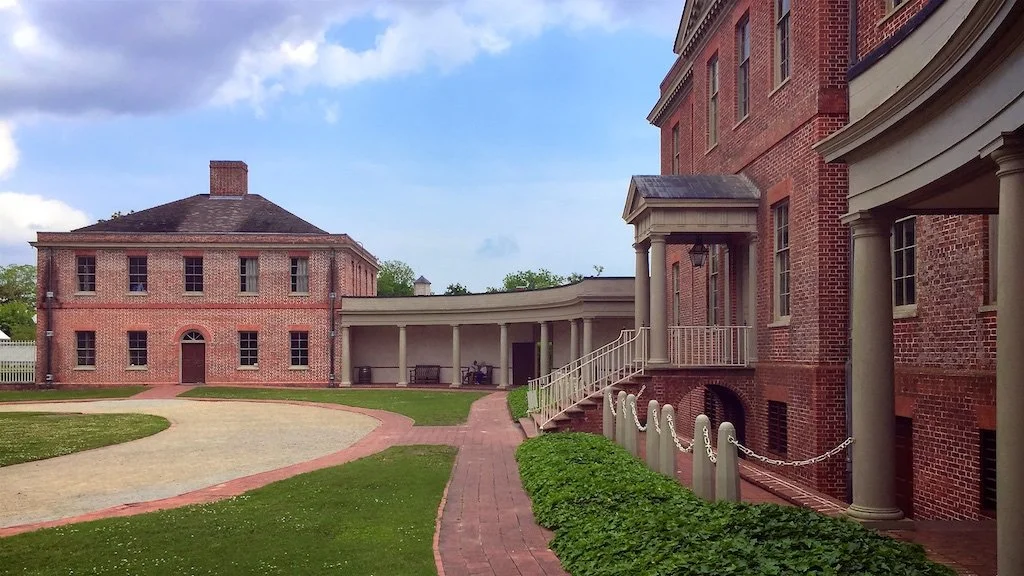
Governor William Tryon brought English architect John Hawks to design an official Royal Governor's facility with him when he came to North Carolina in 1764. Hawks designed the Palace in the Georgian style of fashionable country houses of that time.
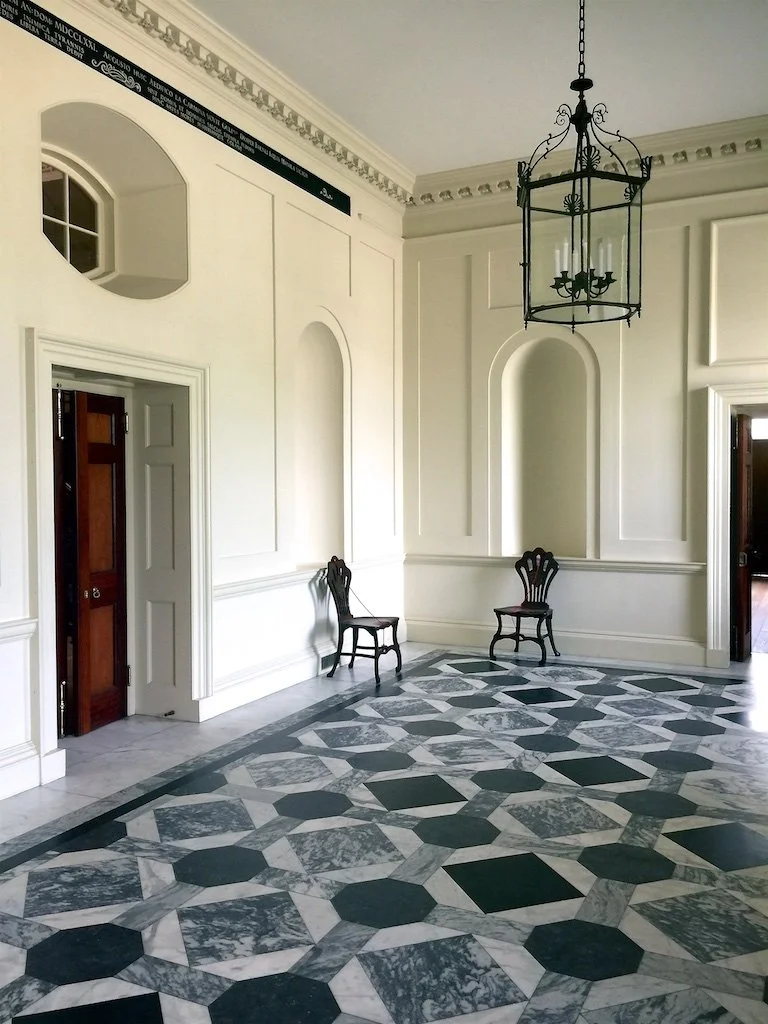
Tryon Palace Entry Hall: Tryon Palace was completed in 1770. A lot of design is pulled directly from the fine homes of London and the country. The house reflects Georgian architecture, interiors, and their passion for classical elements and symmetry.
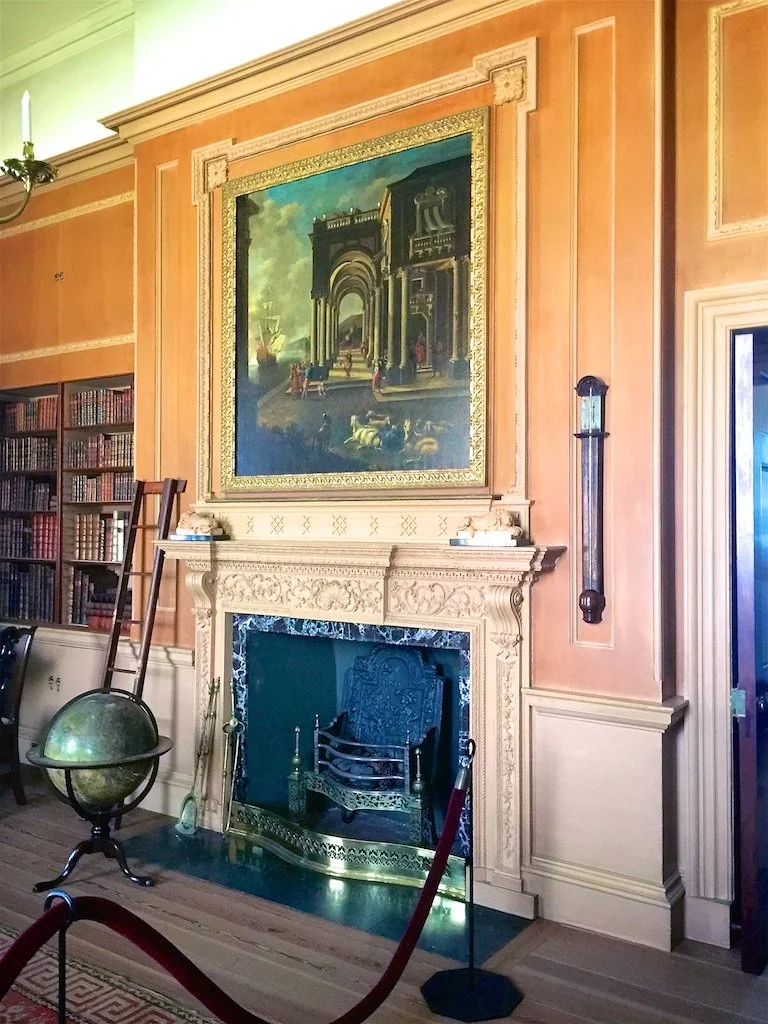
Architect John Hawks agreed to supervise the construction for three years - the costs were triple of what was originally approved by the North Carolina legislature. Tryon is shown now it was when Governor Tryon lived there in 1770.
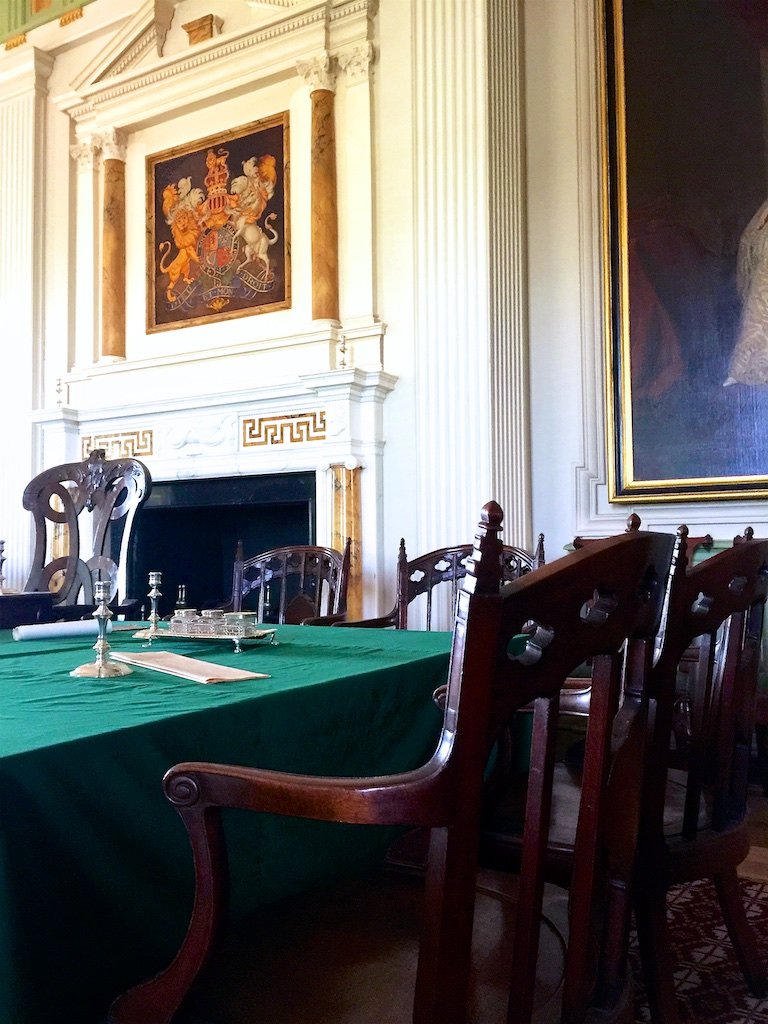
Tryon Palace Council Chamber: Governor Hawks petitioned the King to supply funds to furnish the completed Palace. Unfortunately for Hawks, the King did not want to create a president, and Hawks paid himself.
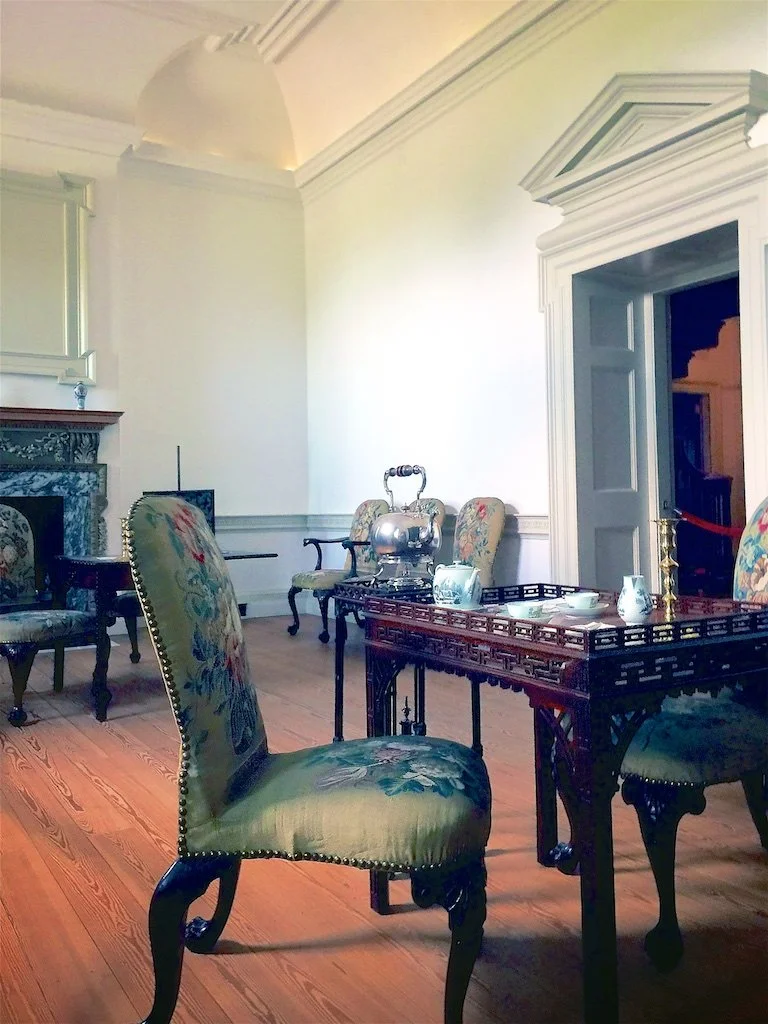
First Floor Formal Drawing Room: Formal tea was served in the Drawing Room. The first floor combined public, social, and administrative duties.
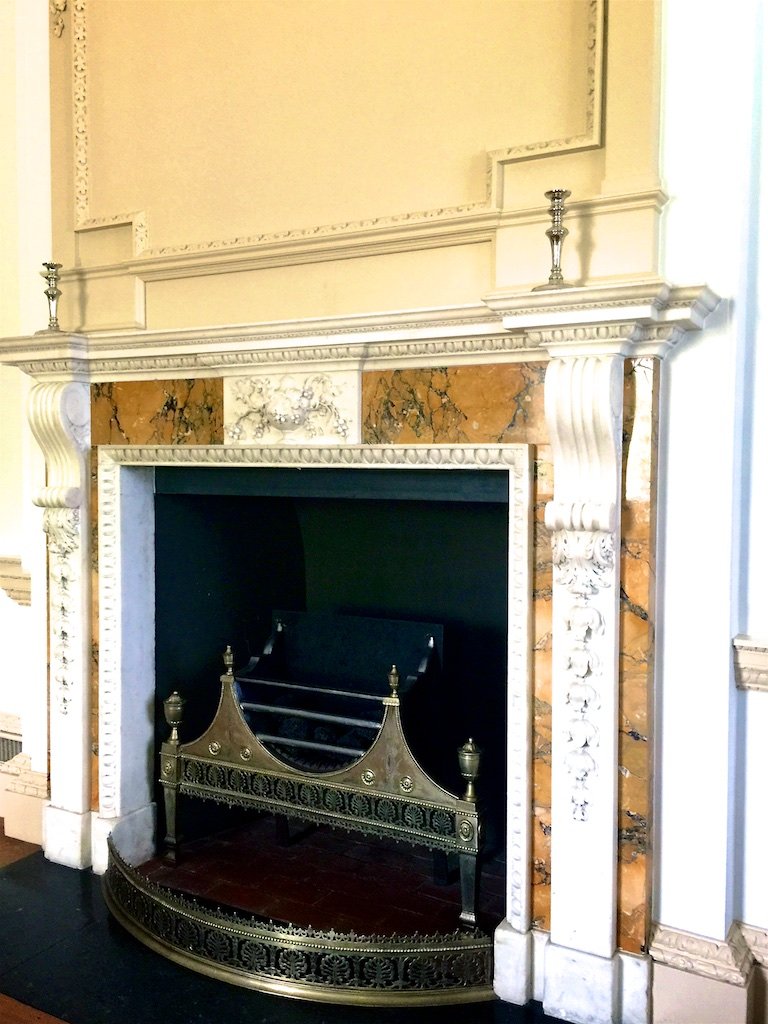
During the Revolution, the Assembly decided New Bern was no longer an appropriate place for the capital. The town was not centrally located and was vulnerable to sea attacks. Finally, in 1791, the Assembly decided to place the capital in Wake County, naming the proposed town "Raleigh" after Sir Walter Raleigh.
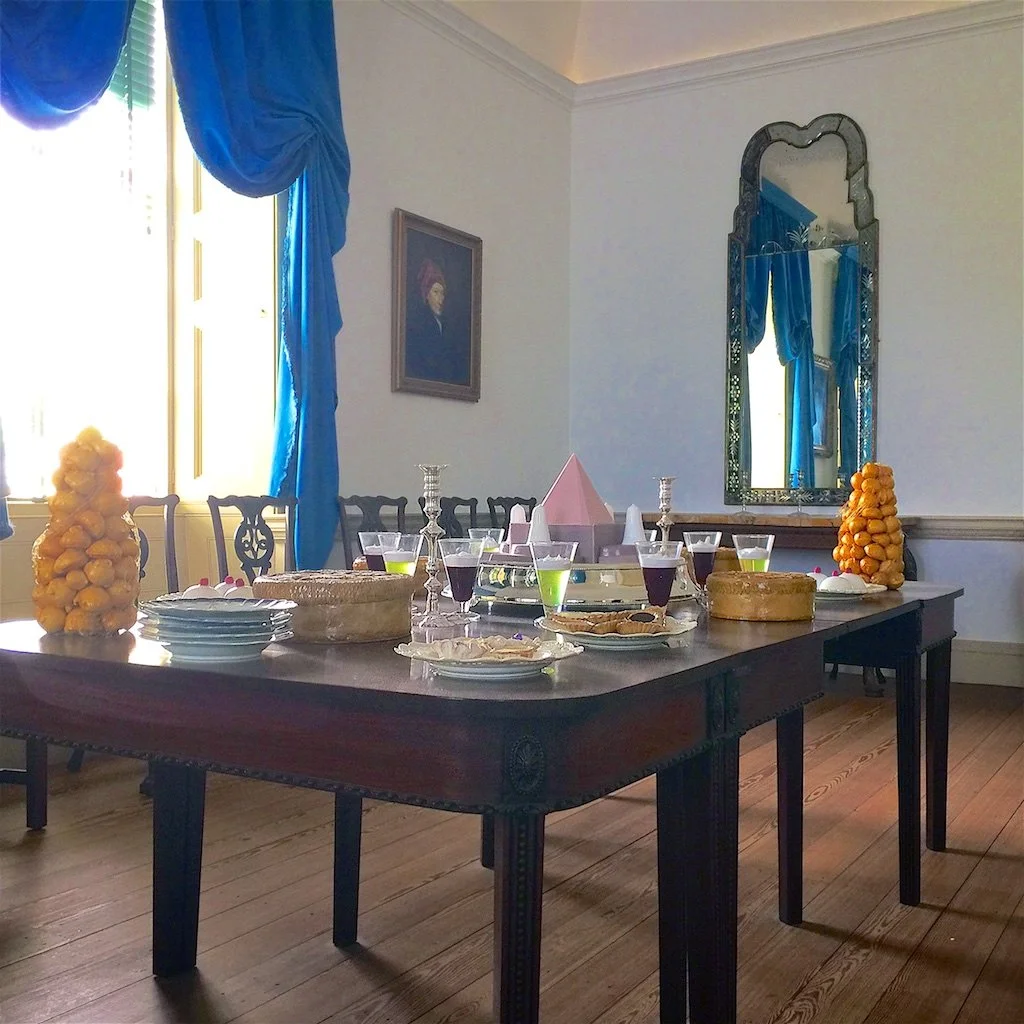
Dining Room: The Palace received a George Washington in 1791 when he stopped in New Bern on his southern tour. At the Palace, Washington was entertained at a banquet and ball.
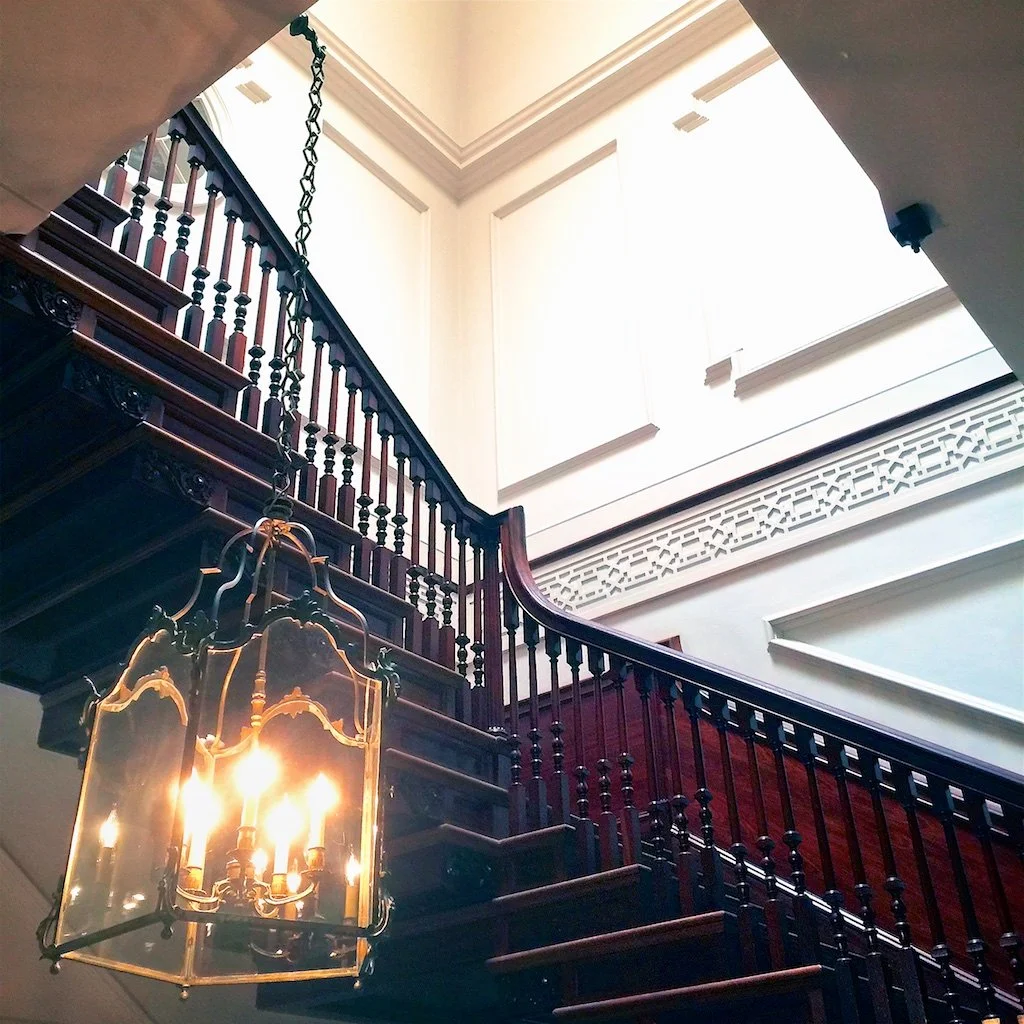
Grand Staircase: Cantaleviered mahogany Grand Staircase - a costly focal point illustrating the extravagant cost that created the "Palace" nickname and required the Governor to raise taxes to pay for it.
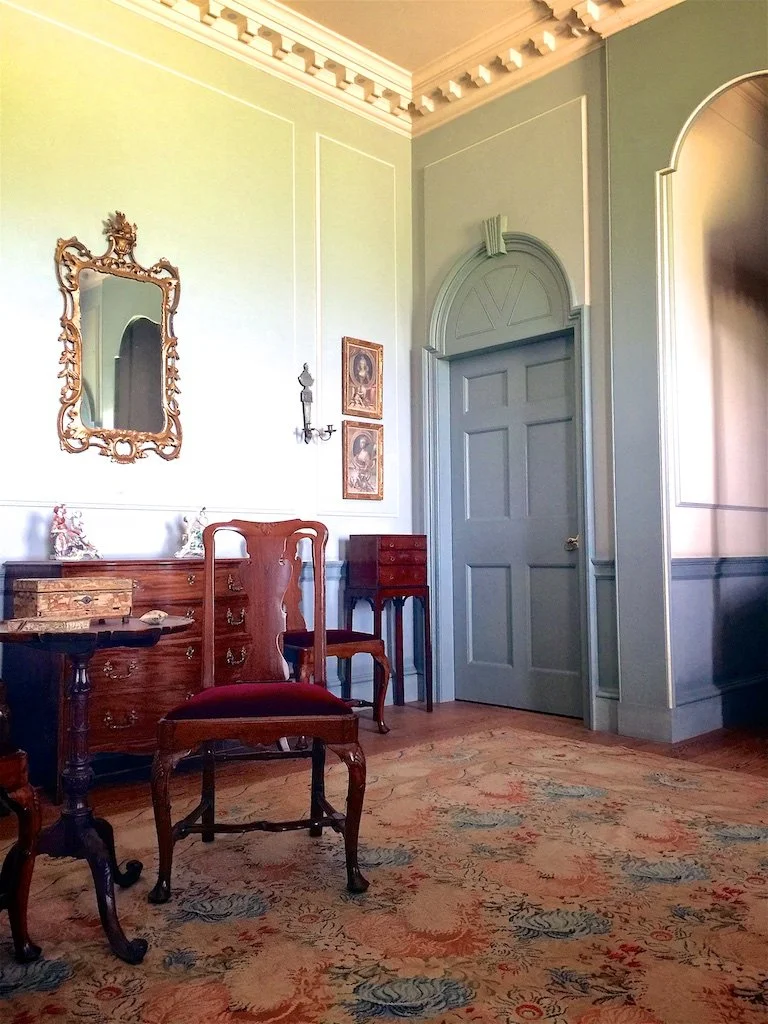
Second Floor Drawing Room: The second floor was the private residence of the Governor's family. Governor Tryon made a detailed inventory of his possessions, which assisted in curating the furnishings for the home to reflect 1770 the Palace is shown. Josiah Martin, Tryon's successor as governor of North Carolina, took up residence in the palace on 11 Aug. 1771.
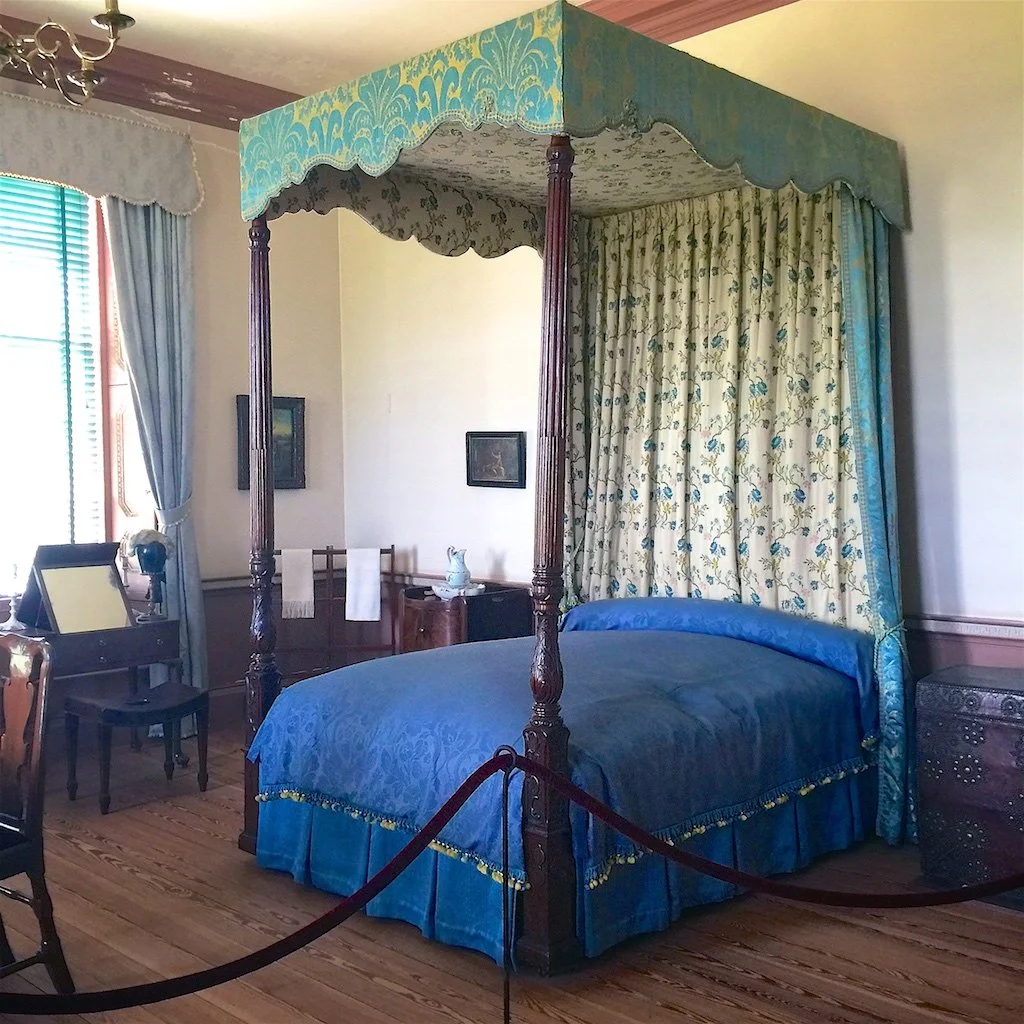
The Governor's family lived here for only 13 months before being reassigned as Governor to the colony of New York. Subsequently, he lost the majority of his personal effects and papers in a fire at his New York residence.
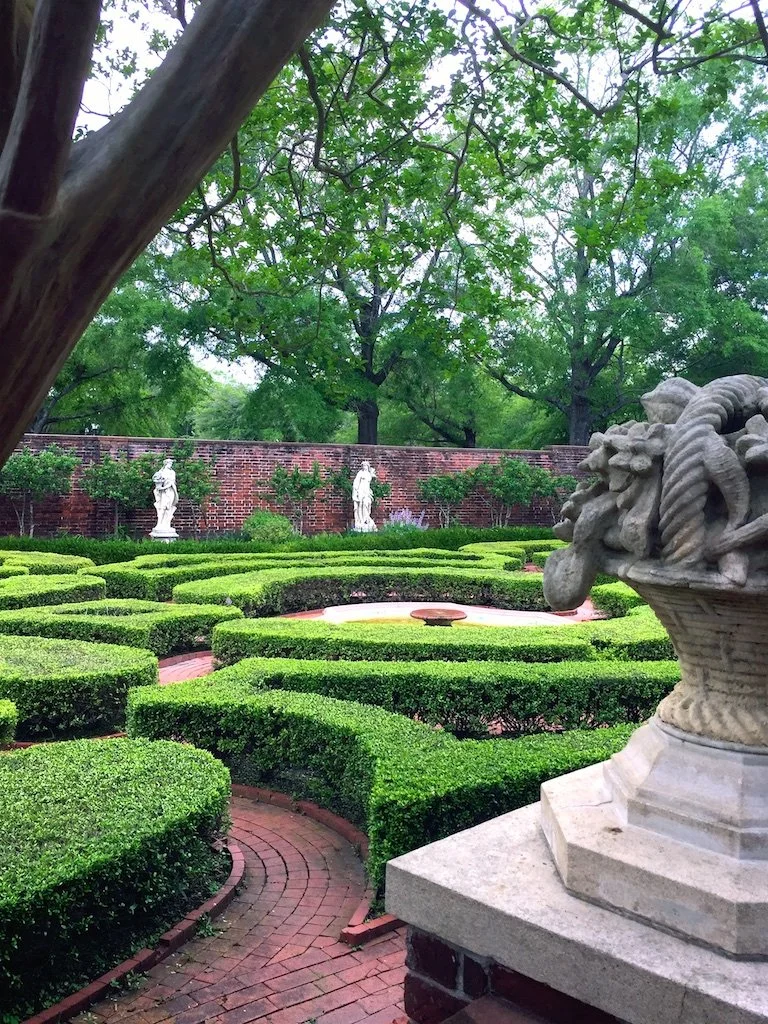
The palace garden is 16 acres of grounds, representing three centuries of landscape and gardening heritage.
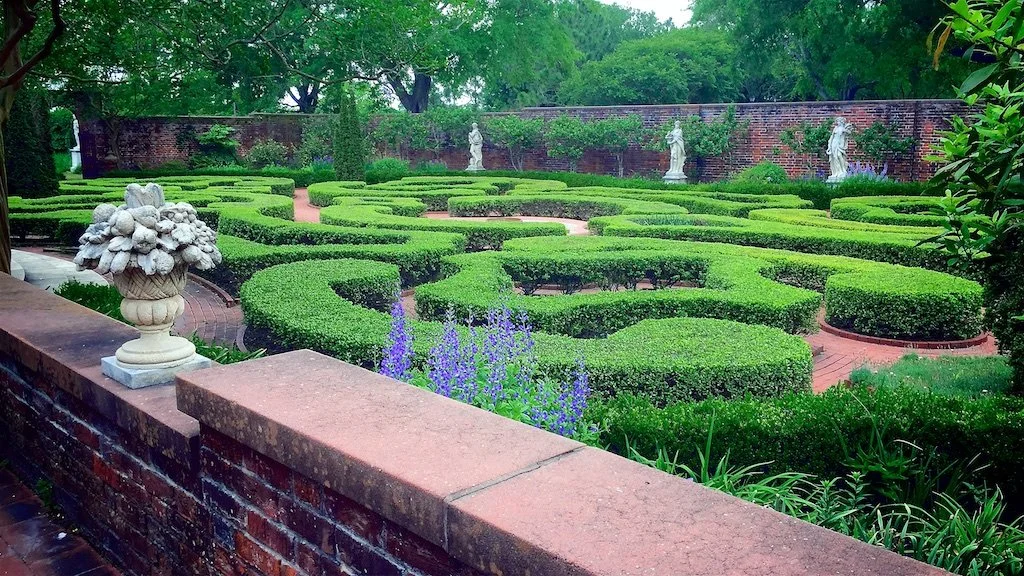
A garden plan by Palace architect John Hawks given to Venezuelan traveler Francisco de Miranda visiting New Bern in 1783, was discovered in 1991. This plan shows a strong French influence.
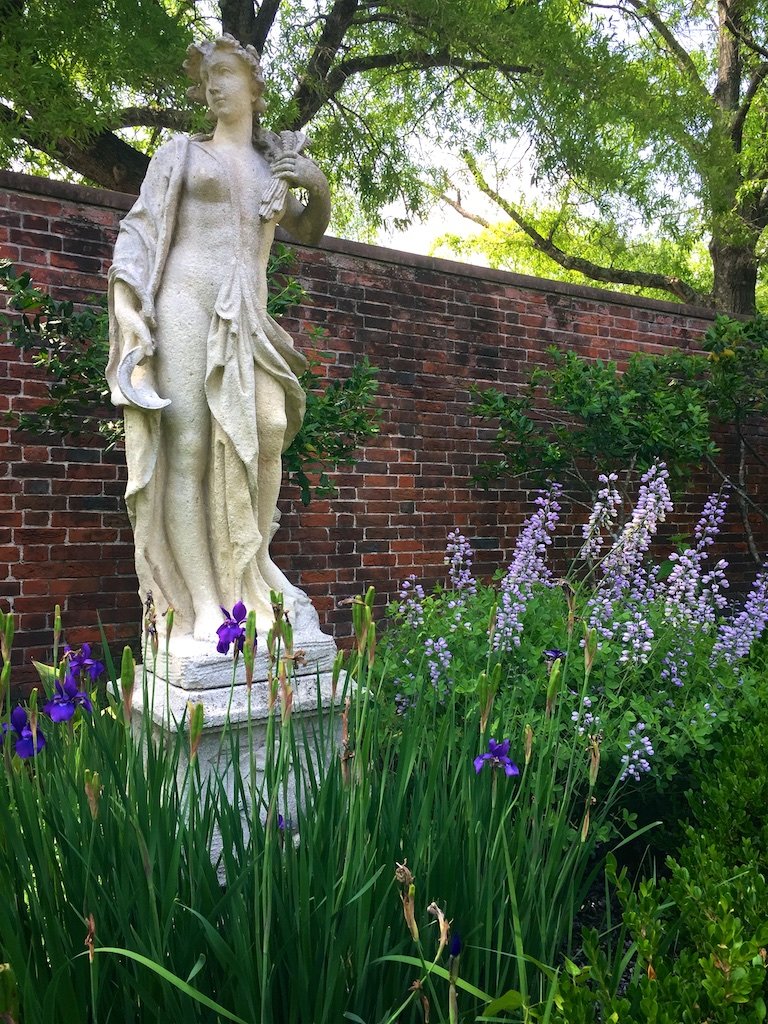
Two maps of New Bern drawn by Claude J. Sauthier in 1769, when the Palace was still under construction, reveal two different garden plans.
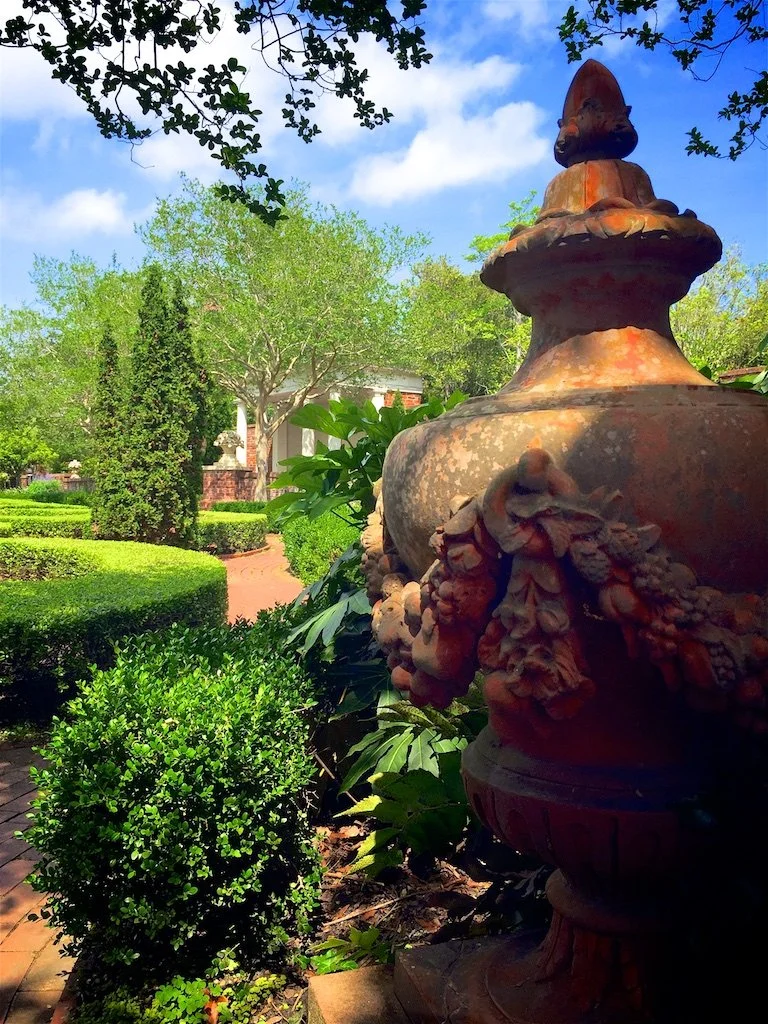
The gardens now include an area filled with diverse riparian plants native to coastal North Carolina river edges. These survive both in flood and drought.
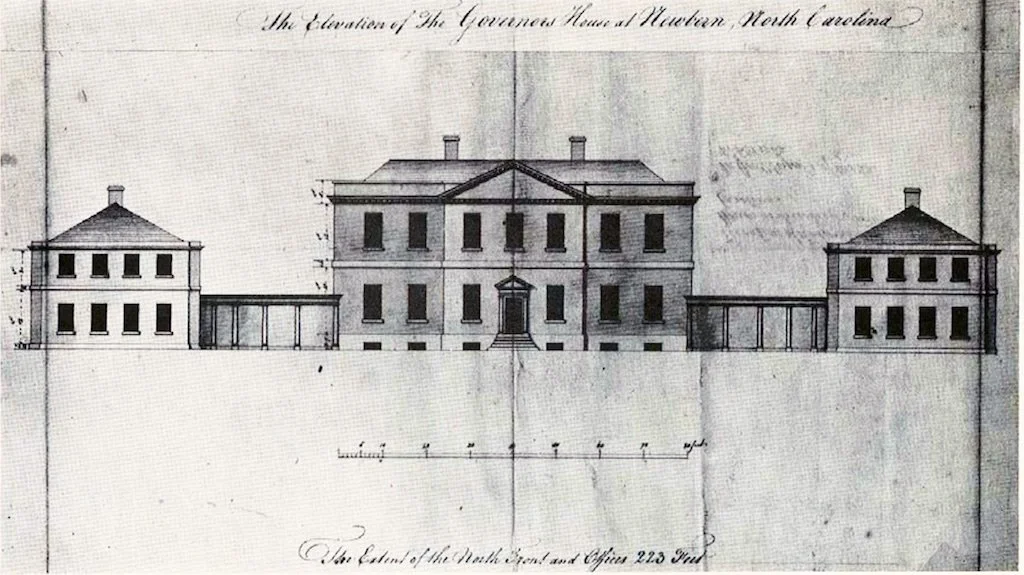
Architect John Hawk's elevation of the Governor's House, New Bern, North Carolina - On January 9, 1767, Hawks and Governor William Tryon signed a contract. When an intense hurricane struck New Bern in September 1769, two-thirds of the buildings in the city were lost, but the Palace, still under construction, survived the storm.
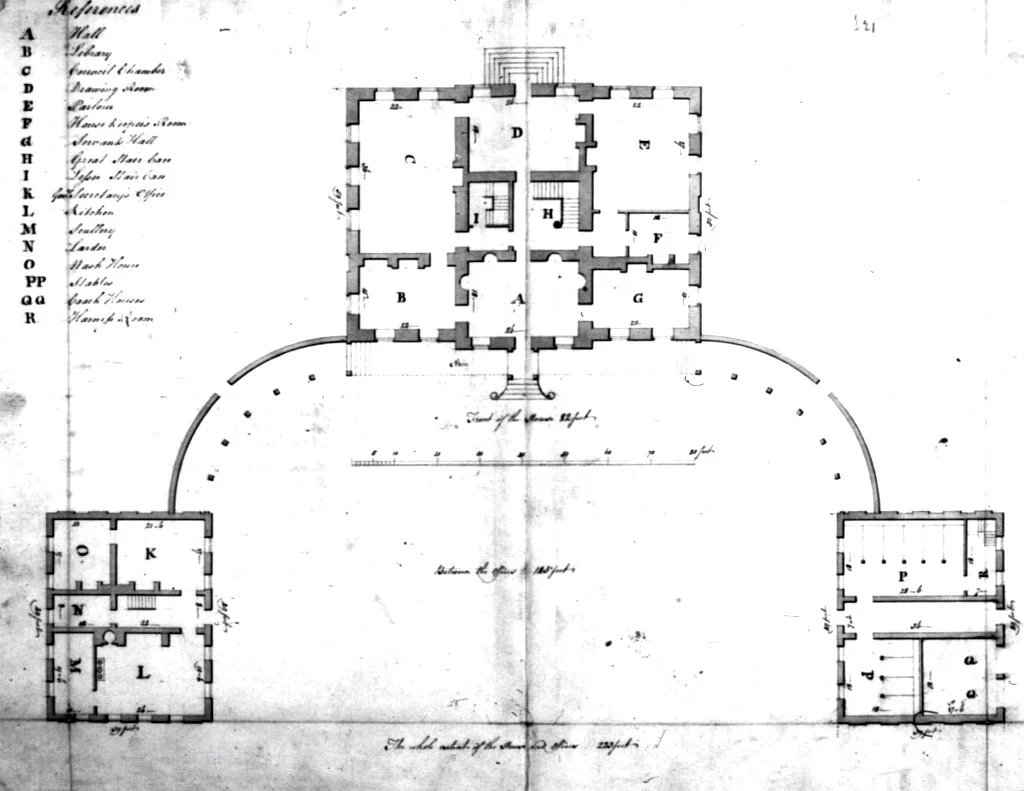
John Hawks' first-floor layout for the floorplan of the Governor's House - Tryon staged a grand gala to celebrate the official opening of the Palace on December 5, 1770. However, the extravagance of the Palace and the taxes levied to pay for its construction further inflamed many backcountry residents.
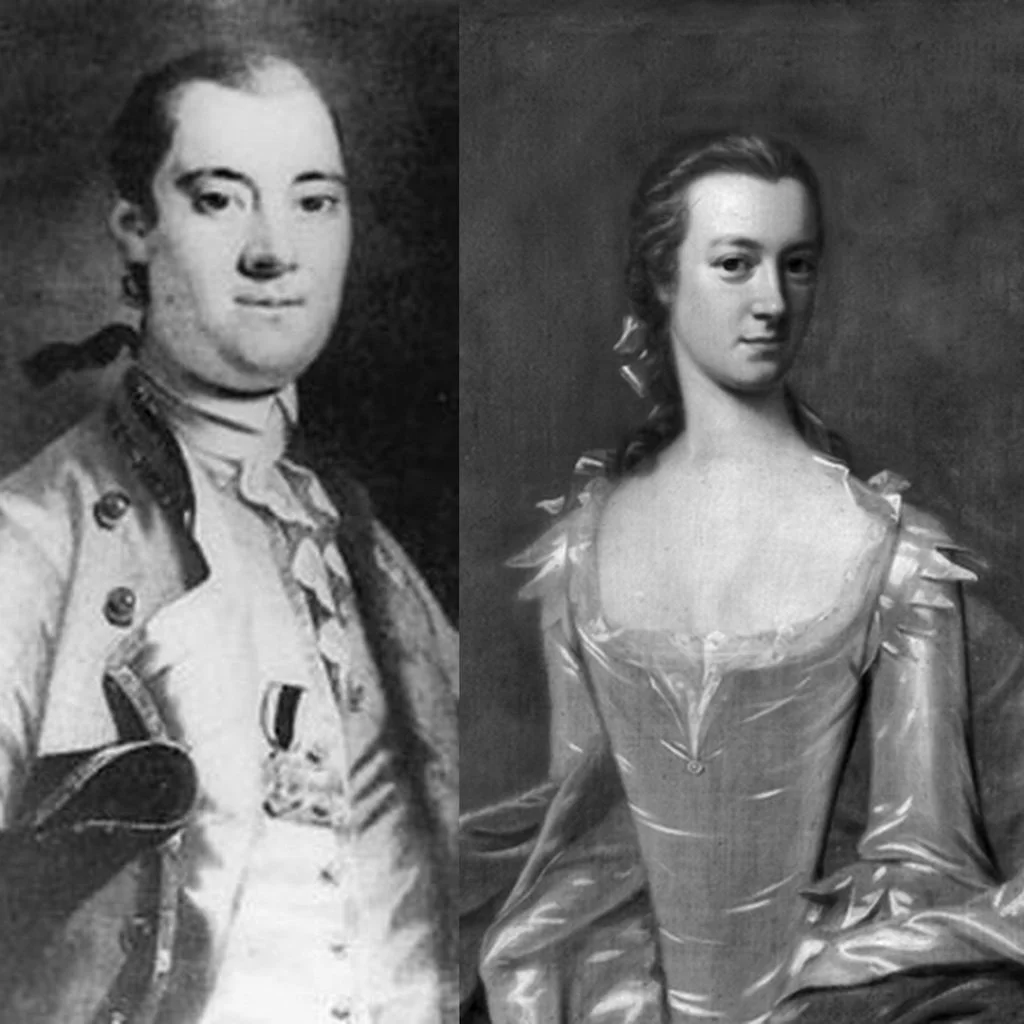
Governor and Lady Tryon