Photography by Bruce A deArmond
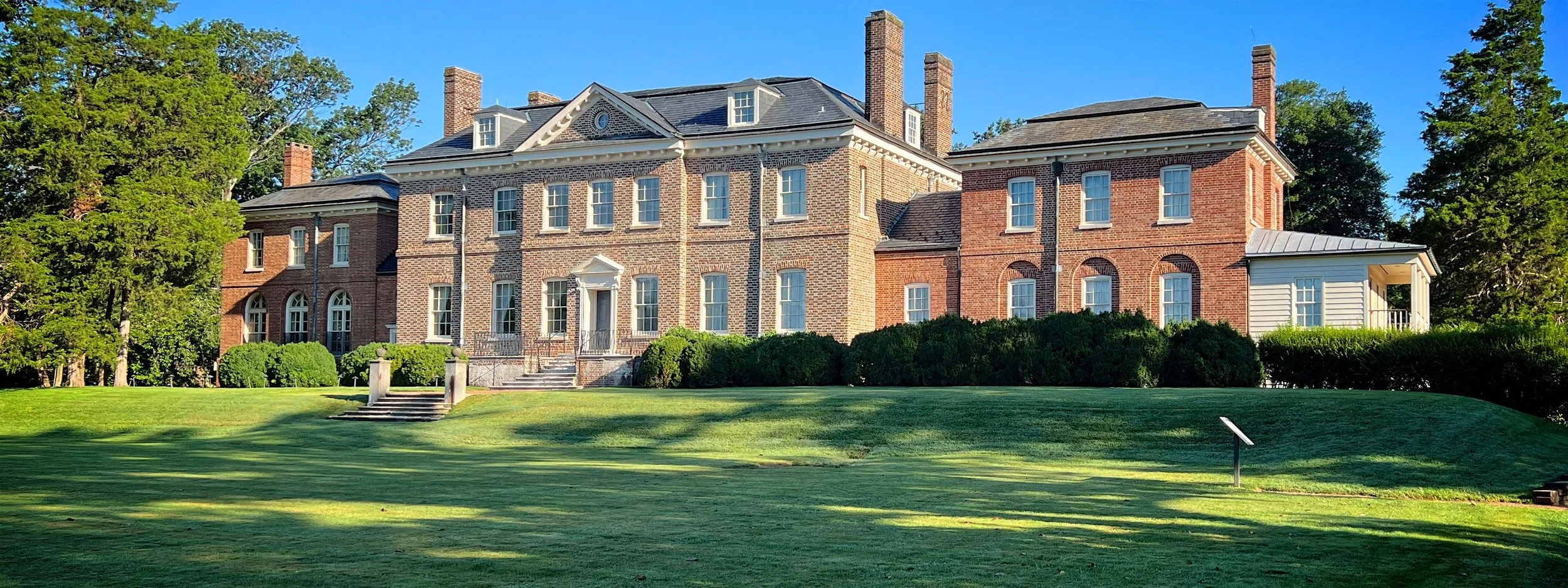
Belair Mansion: Georgian Architecture, built in 1745 (center block) — Home of Sam and Anne Tasker Ogle, Bowie, Maryland
Belair Mansion - The Architecture: Located in the historic Collington area in Bowie, Maryland, built in c. 1745, is the Georgian-style plantation house similar to a James Gibbs design found in a 1728 book of architecture. Belair was used by the Provincial Governor of Maryland, Samuel Ogle. Later home to his son, another Maryland governor. Belair is recognized for breeding racehorses for three centuries and raising two Triple Crown champions. The north (carriage facade), west, and east elevations are laid in English bond, while the south (garden facade) is of Flemish bond with glazed headers to capture the effect of the sun. The roof plan is a hip-on-hip.
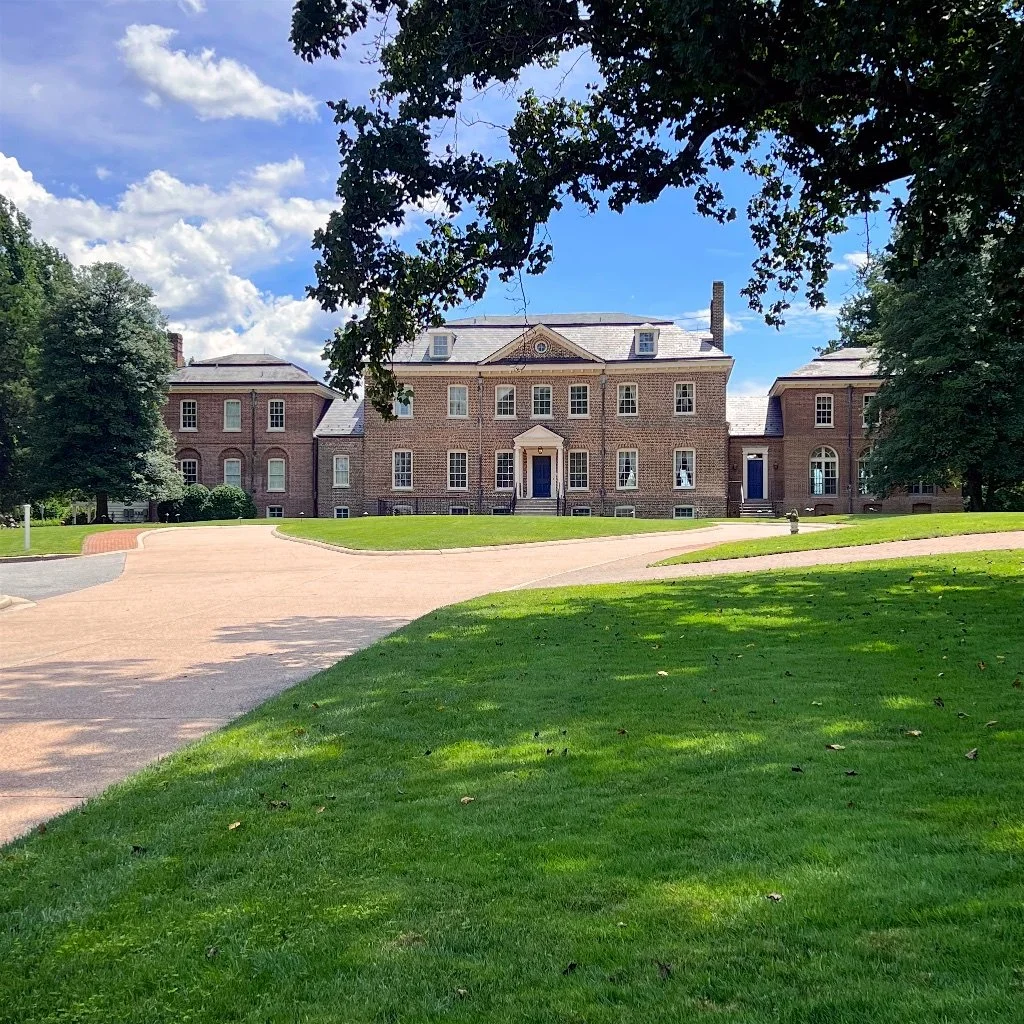
Belair Mansion, Bowie, Maryland: Built circa 1745 for three term Provincial Governor Samuel Ogle and his wife, Anne Tasker Ogle.
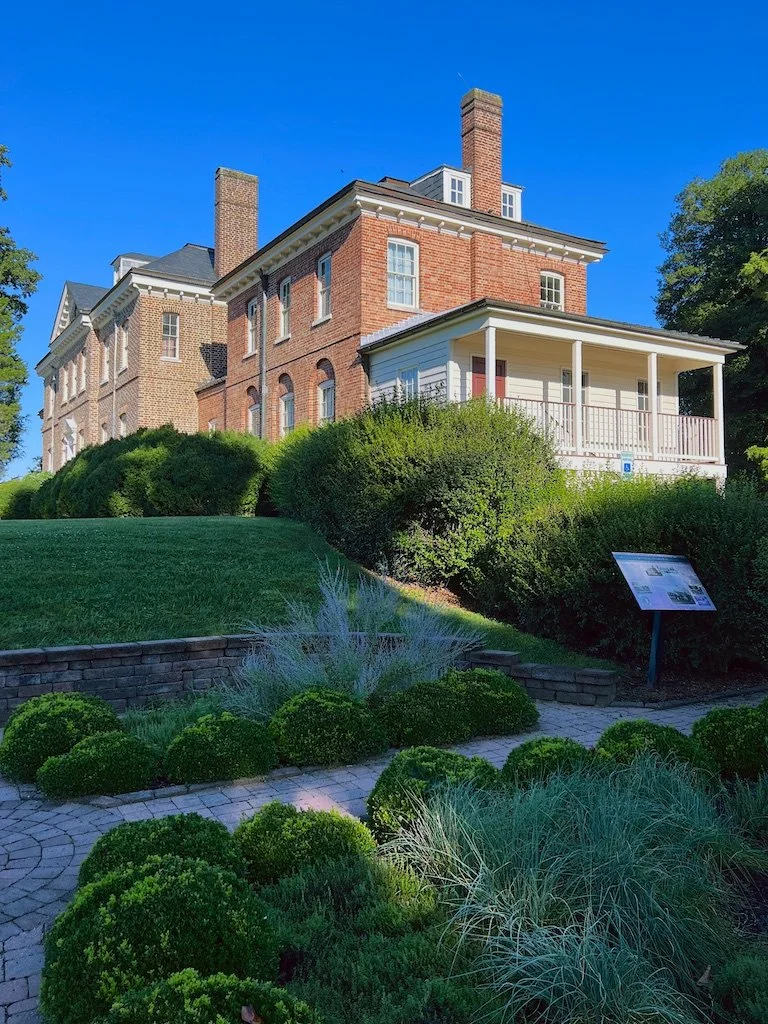
Belair Mansion, Bowie, Maryland: Garden facade - Belair eventually became one of the homes of William Woodward and William Woodward Jr. (1898-1955) noted American horsemen of the 20th century.
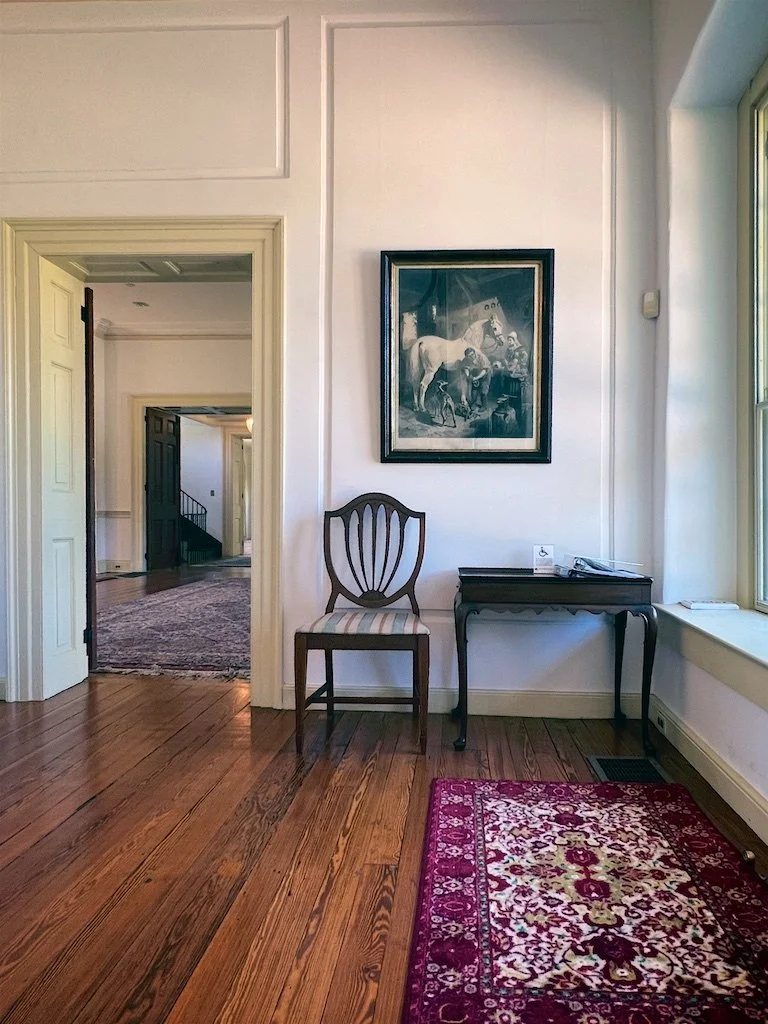
Front Entry Stair Hall: The front entry remains the closest to the original design from the c. 1745 building of the central block of Belair built by Samuel Ogle.
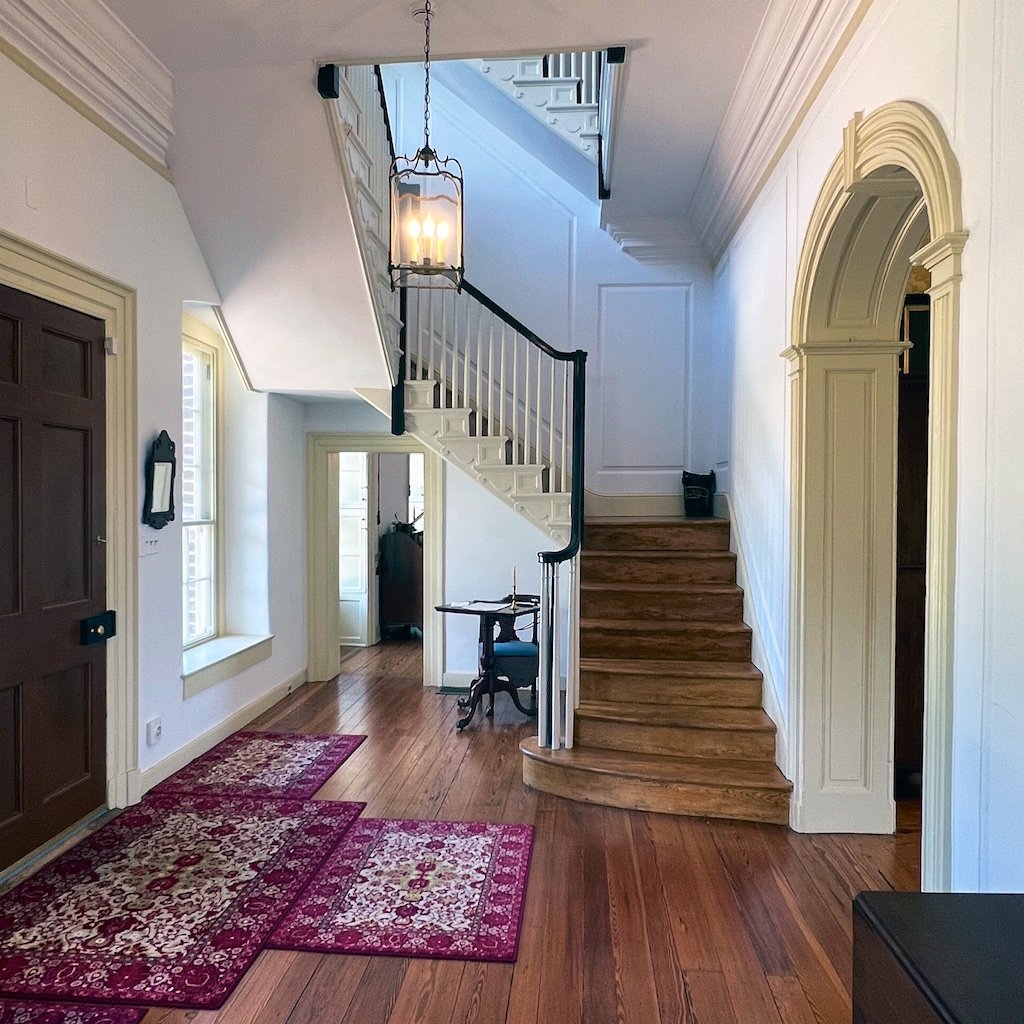
Front Entry Stair Hall: In 1740, Ogle was dispatched to England and given "the task of supervising the construction of a new house at Belair." In 1747, Ogle returned to Maryland with his new bride.
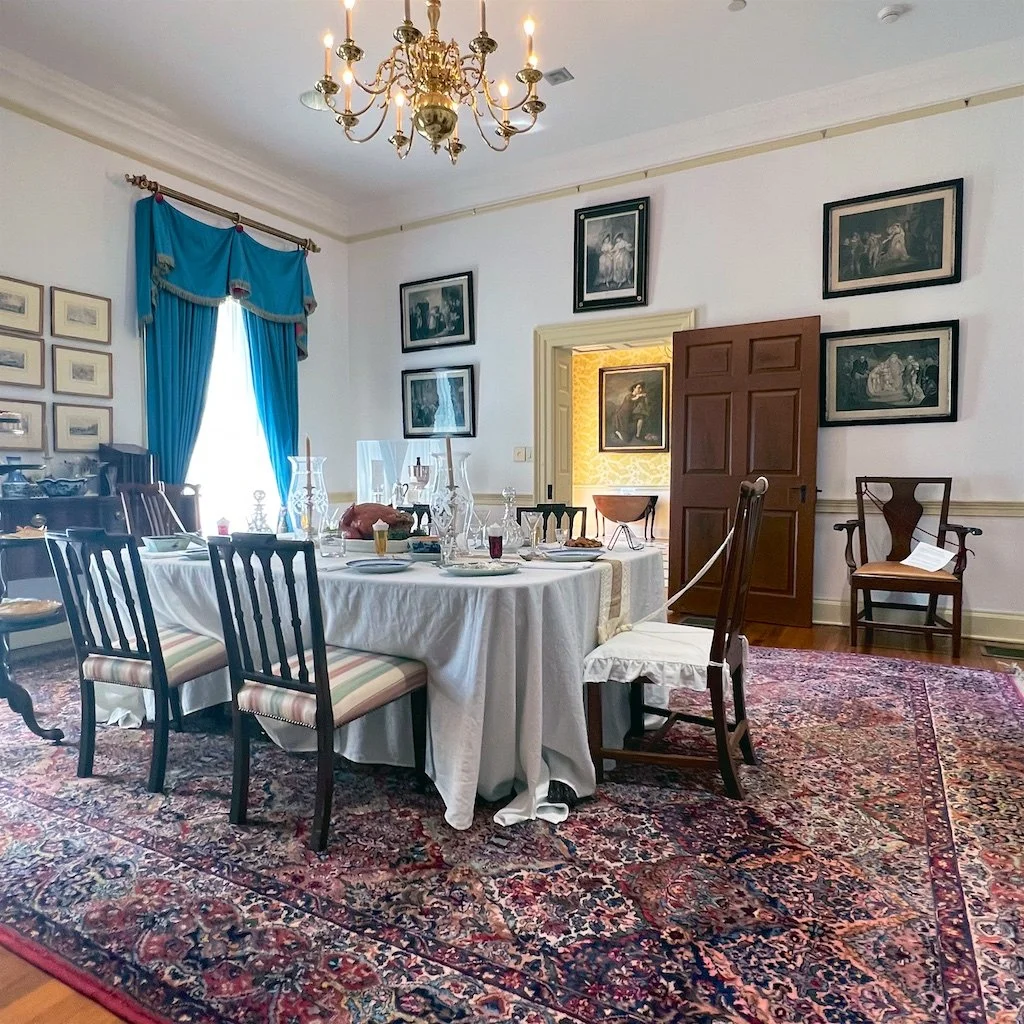
Dining Room: Belair Mansion, c. 1820 under son Benjamin Ogles remodeling of Belair, from what was a parlor becomes the dining room.
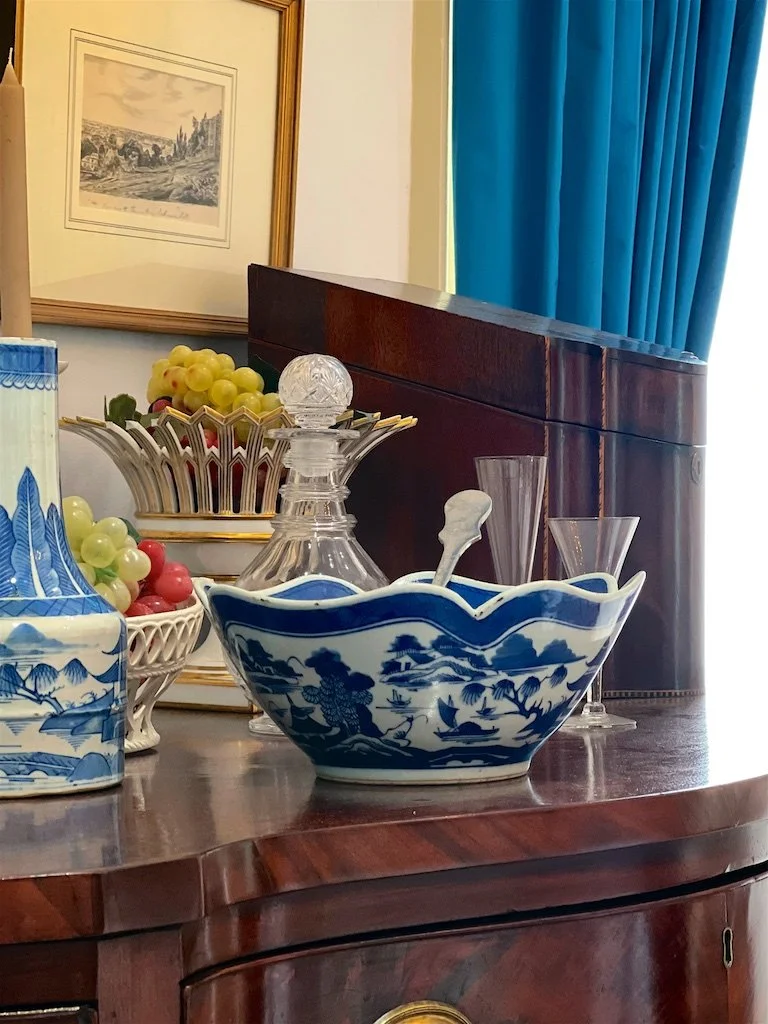
Benjamin Ogle, son of Samuel Ogle, became a friend of George Washington, whose presidential records show he dined at Belair on October 1, 1773, and that Washington frequently sought Ogle's advice.
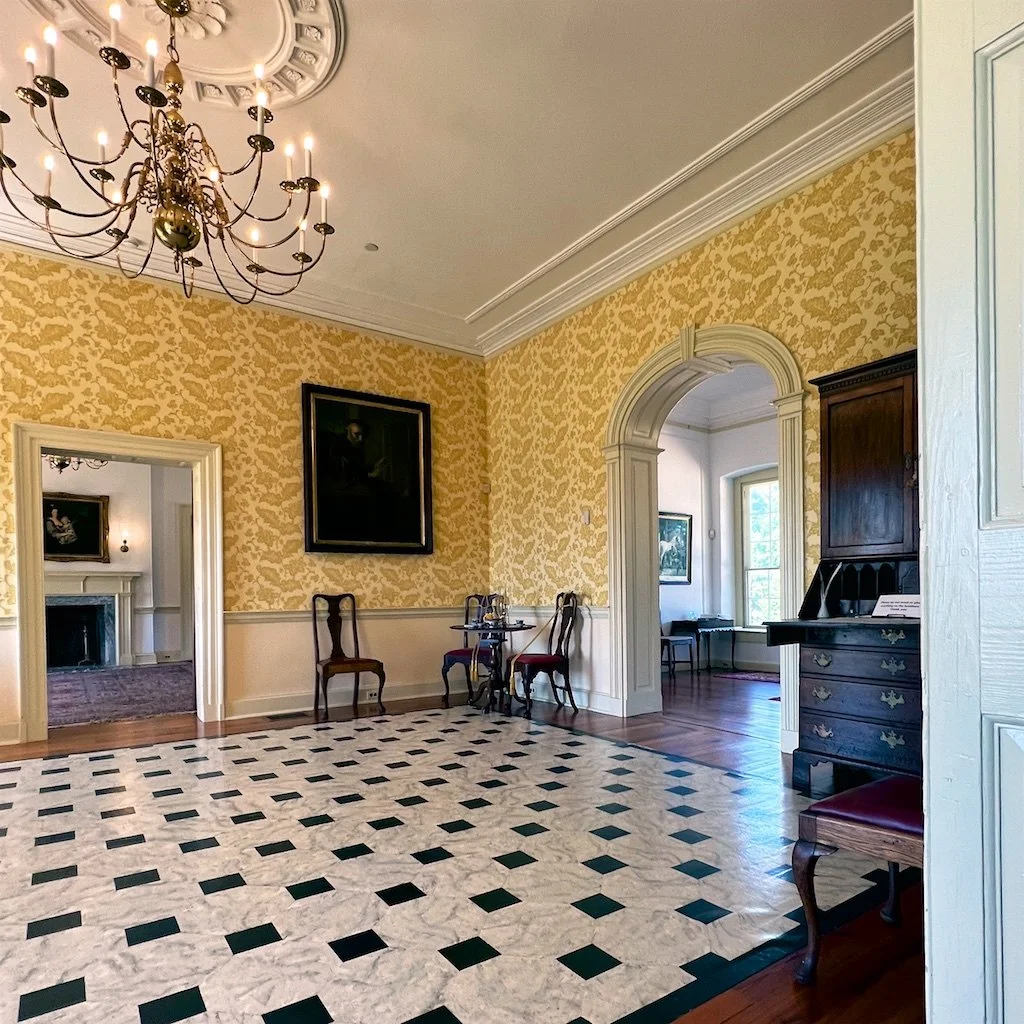
The Reception Hall: The collections of Belair are enhanced through loan agreements with generous family descendants and museums.
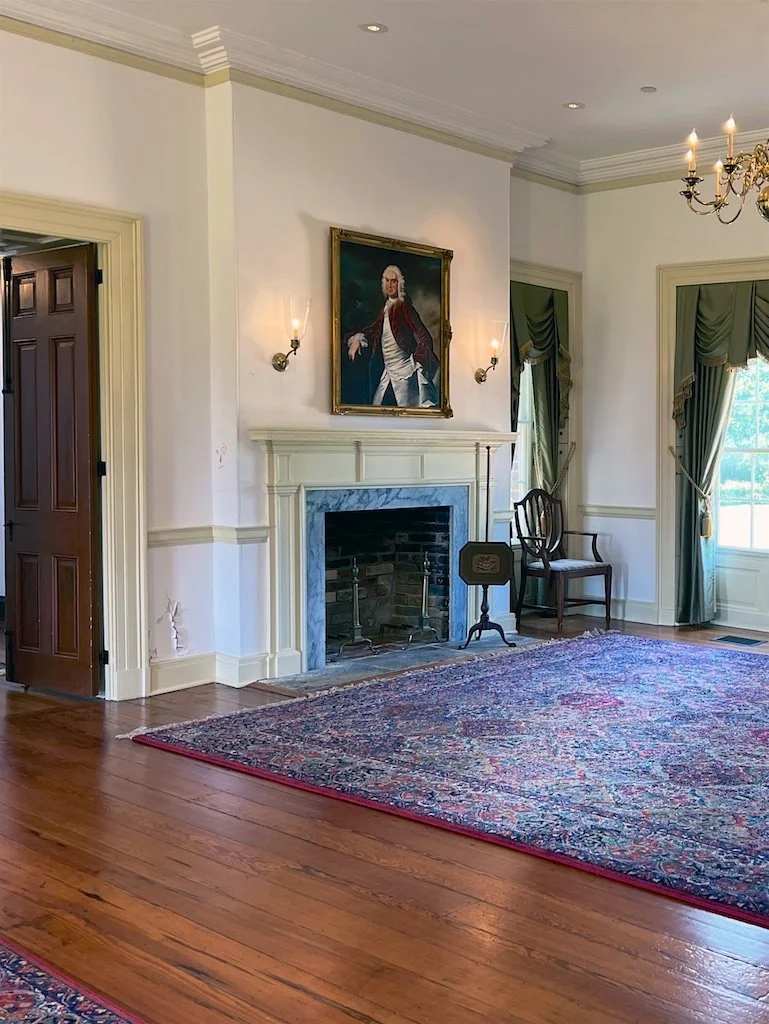
Belair stood at the center of Samuel Ogle's 7,000-acre plantation. In 1747, Ogle introduced thoroughbred racing to America when he brought two thoroughbred racehorses over with him from England.
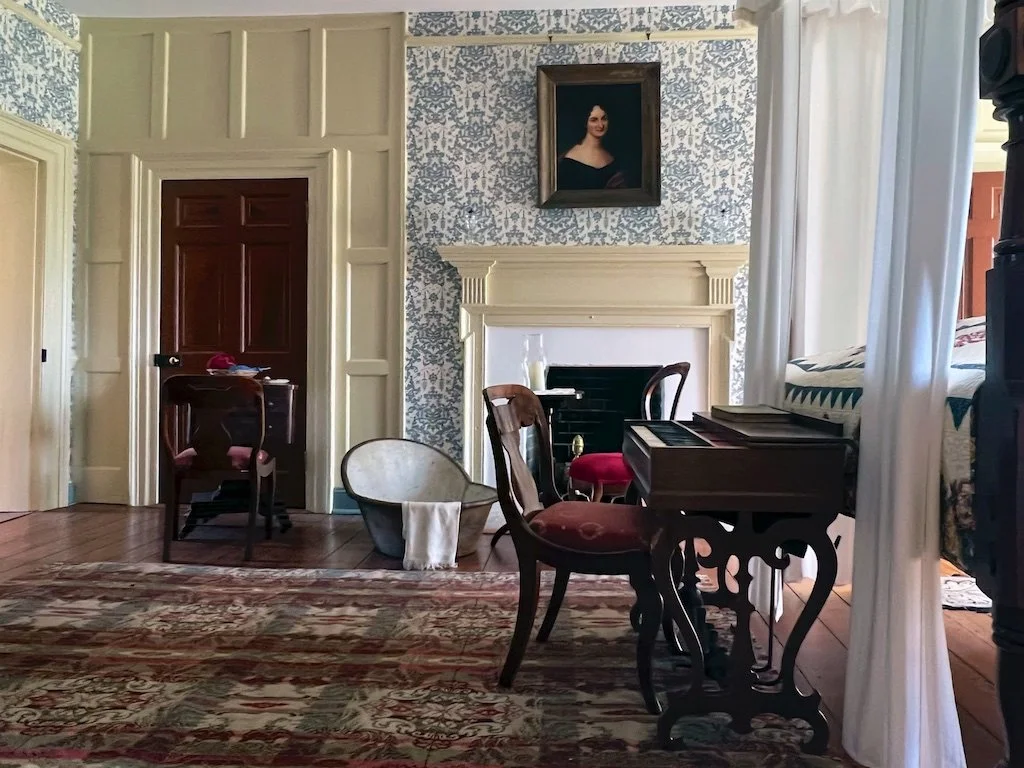
The bedroom of Rosalie Caroline Ogle contains the most extensive collection of Ogle family Belair furnishings.
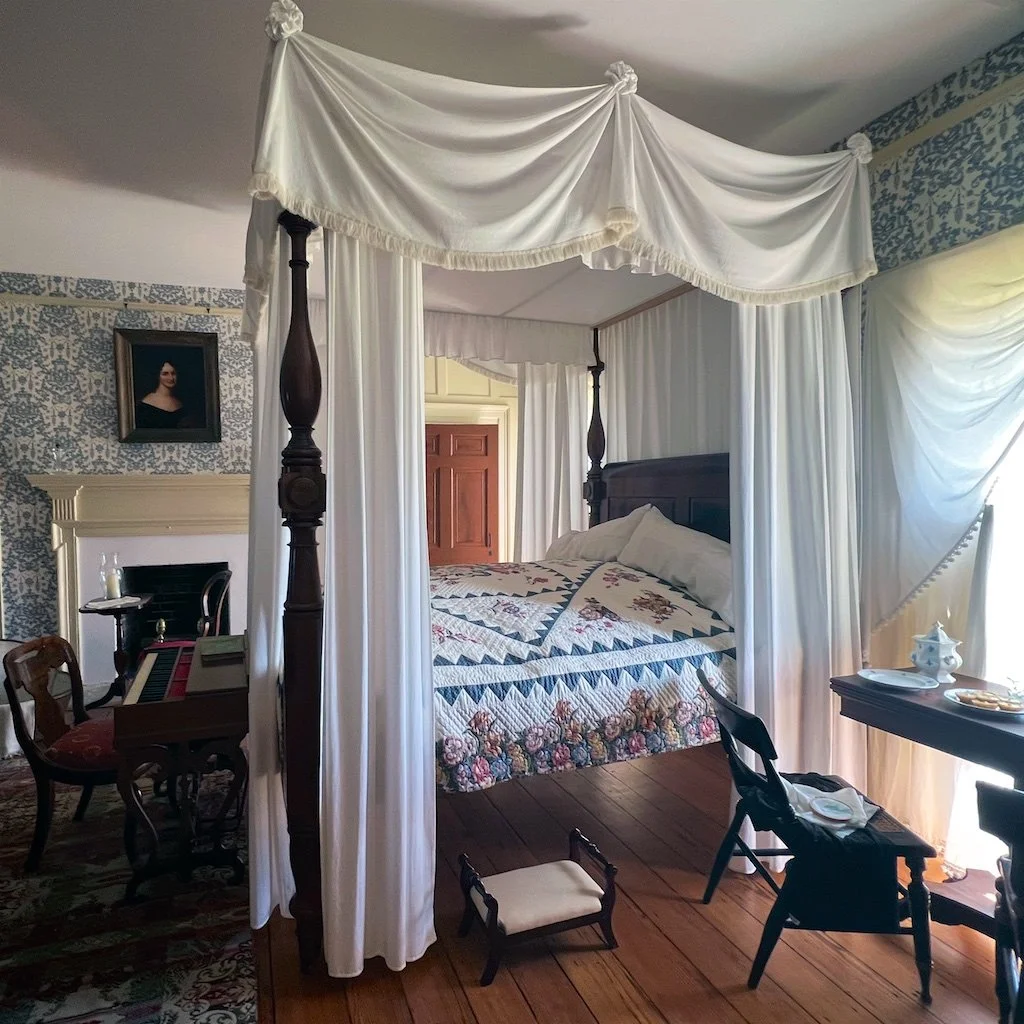
Bedroom of Rosalie Caroline Ogle: The youngest third generation daughter. This room reflects her possessions from 1850-1871.
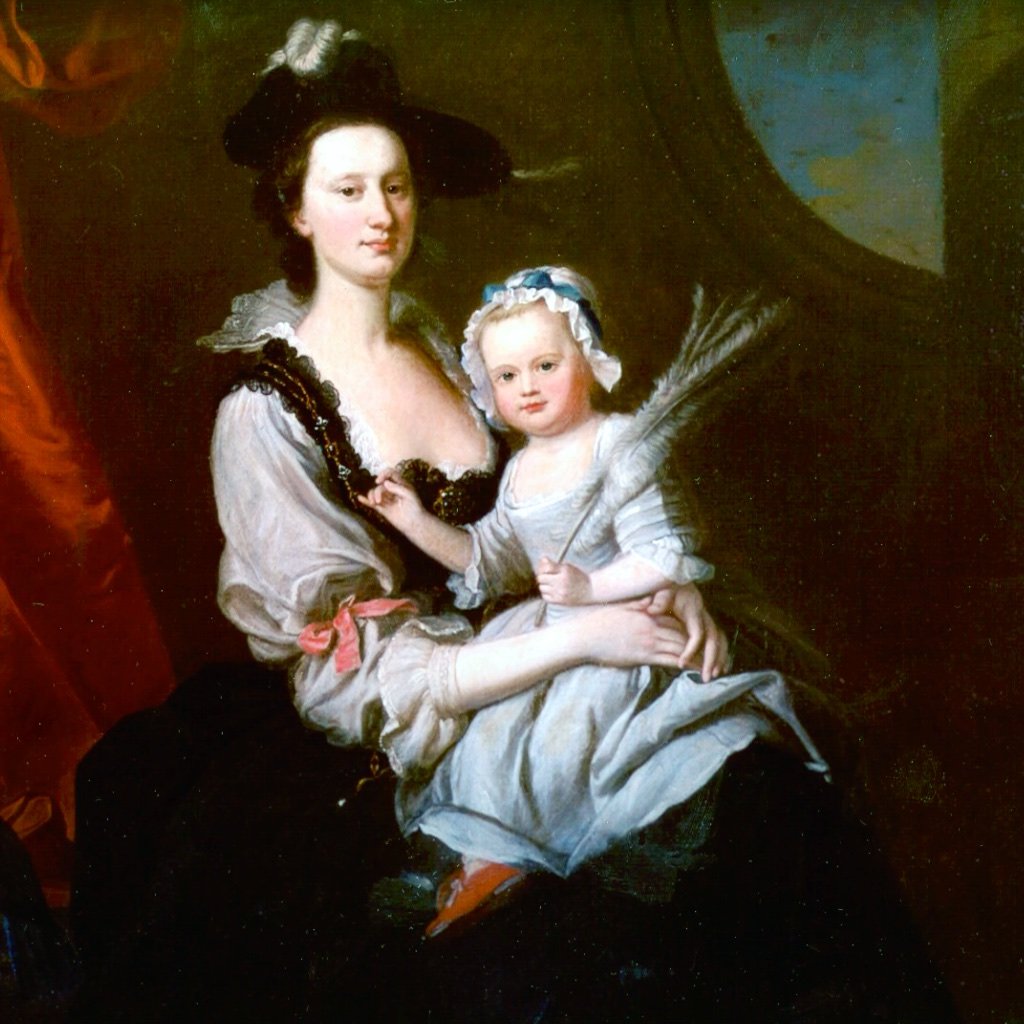
Ann Tasker (1723-1817), the considerably younger wife to Samuel Ogle (1694-1752), Colonial Governor of Maryland.
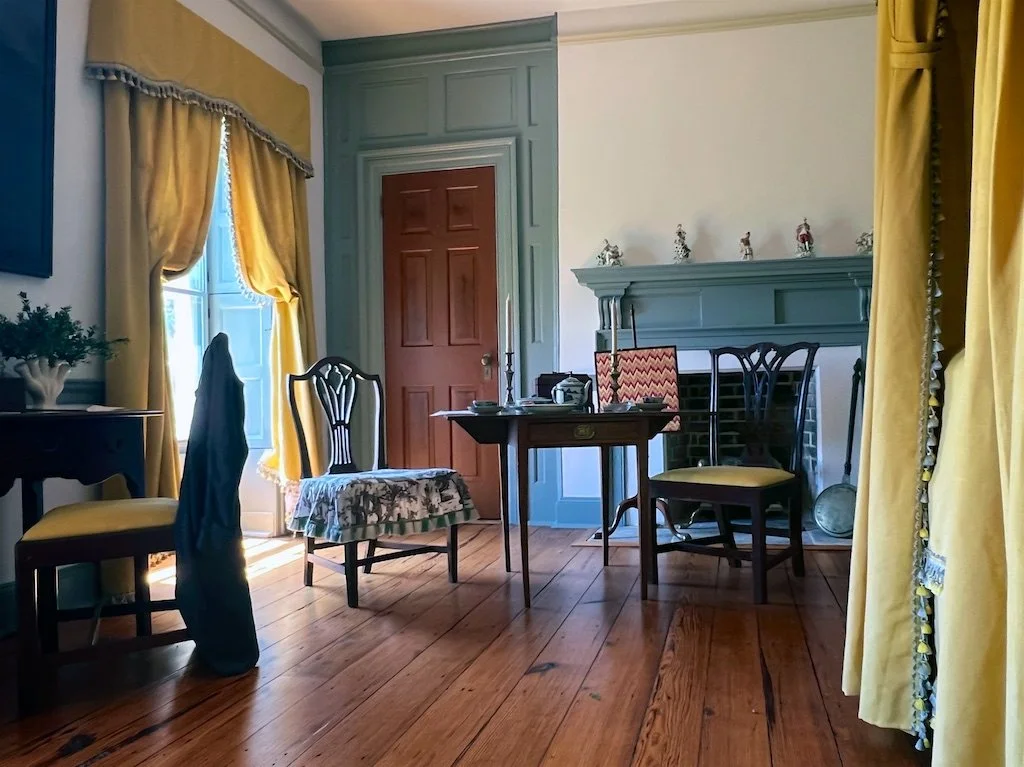
This bedroom at Belair is based on a 1763 probate inventory that faces the garden side and contains writings of Governor Samuel Ogle.
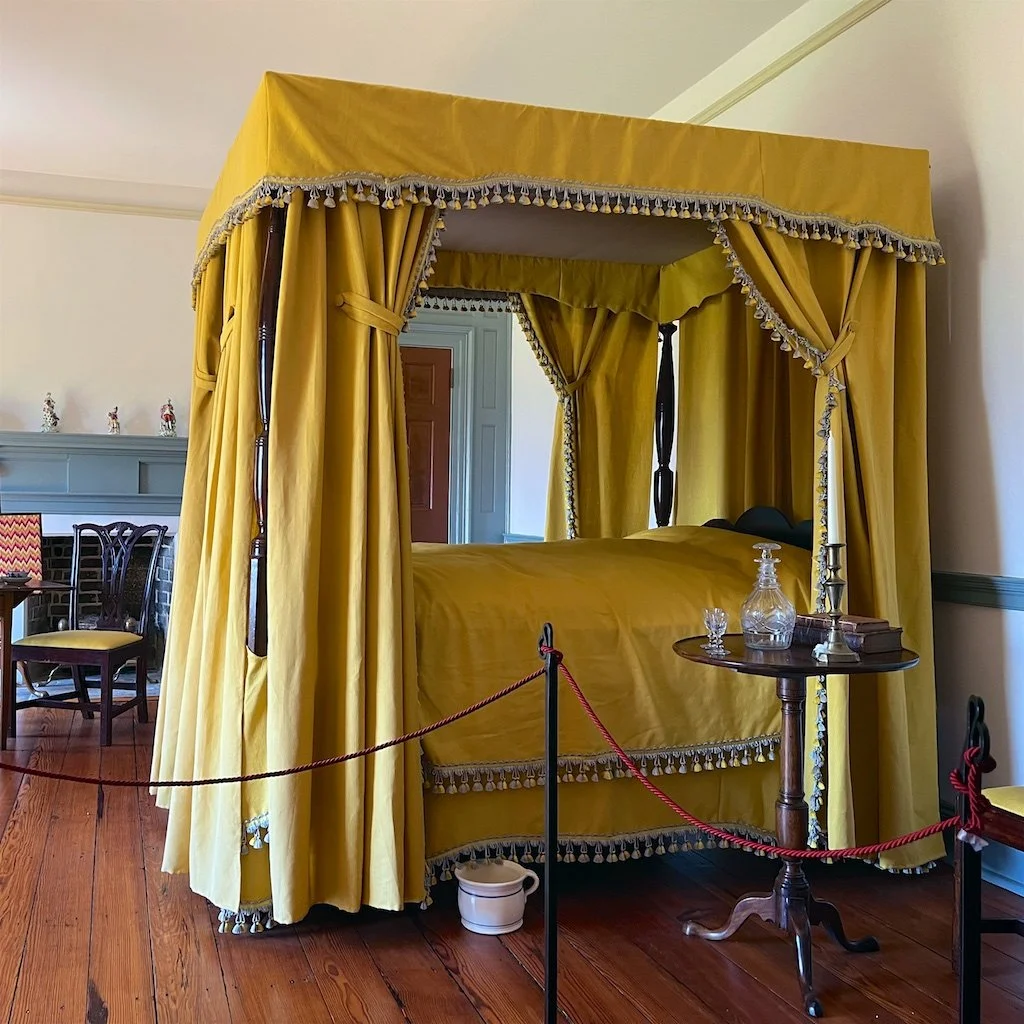
The second-floor bedrooms are based on the third generation of Ogles with fourteen children. This large room is the bedroom of Benjamin Ogle II and his wife, Anna Maria.
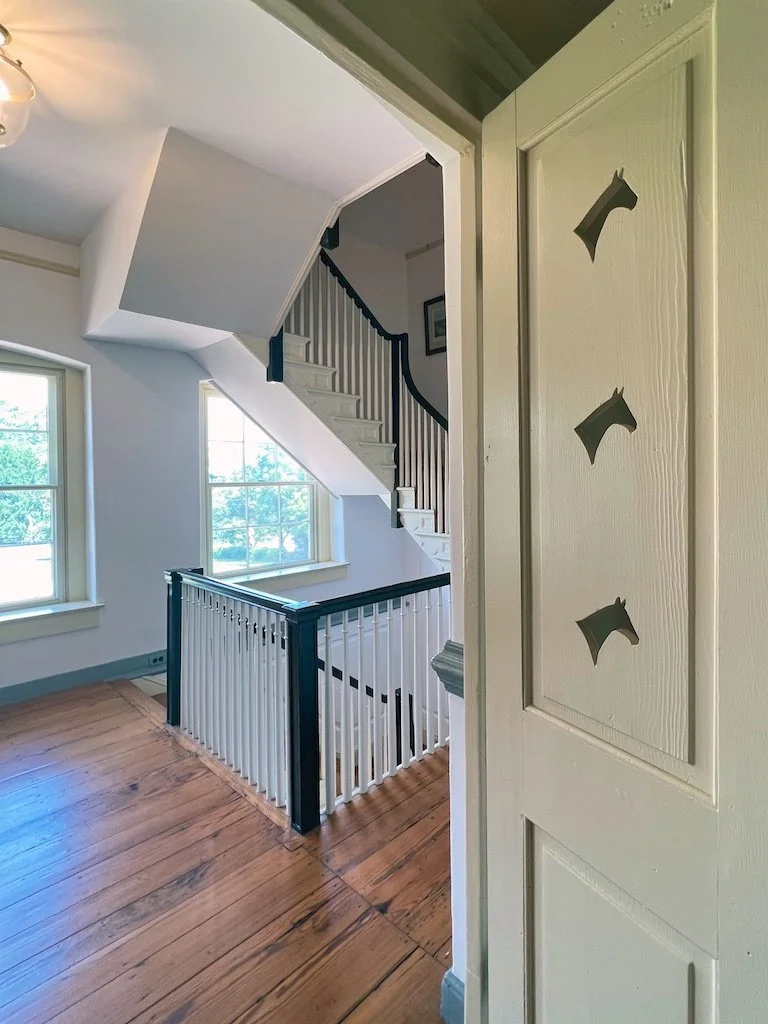
The landing shows the Woodward family's passion for horses with equestrian details to additions they made while expanding Belair.
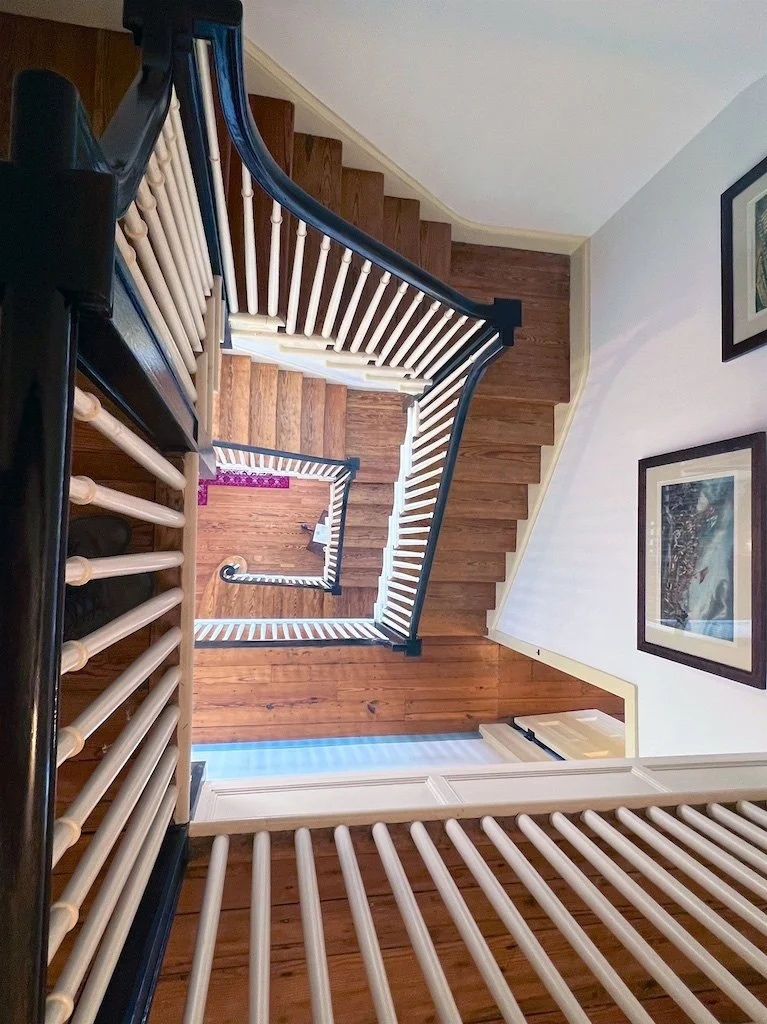
Belair Stairwell: The Woodward c. 1914 renovations to Belair changed the direction of the stairs. The last generation of Woodward ownership was in the 1950s. William Woodard III would continue to curate the mansion and further develop Belair Stud and Farm to its peak performance.
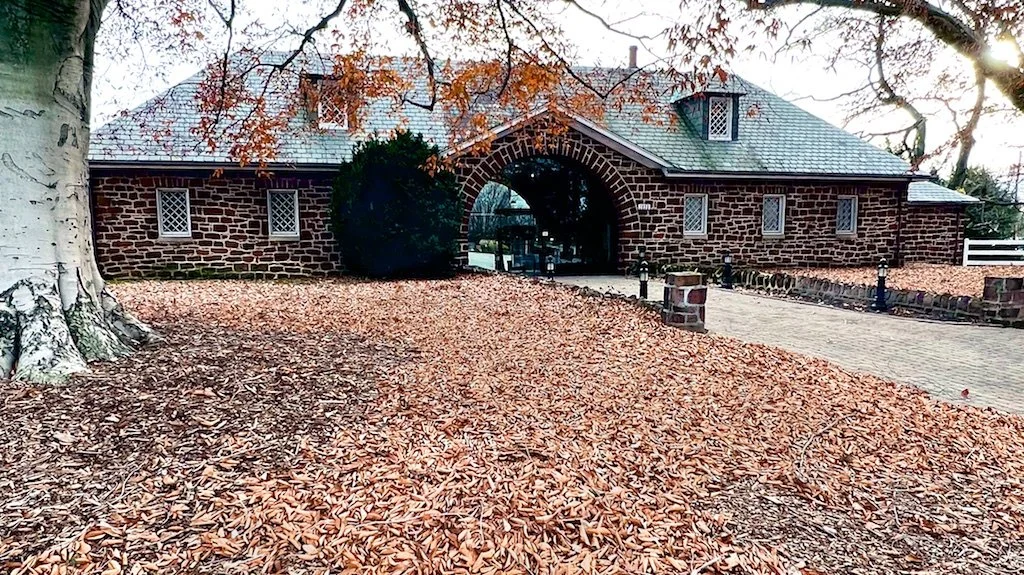
The Woodward family took the Belair mansion to include the Belair Stud and Farm - and took Belair to an international level of racing success with some of the top horses in American racing history.
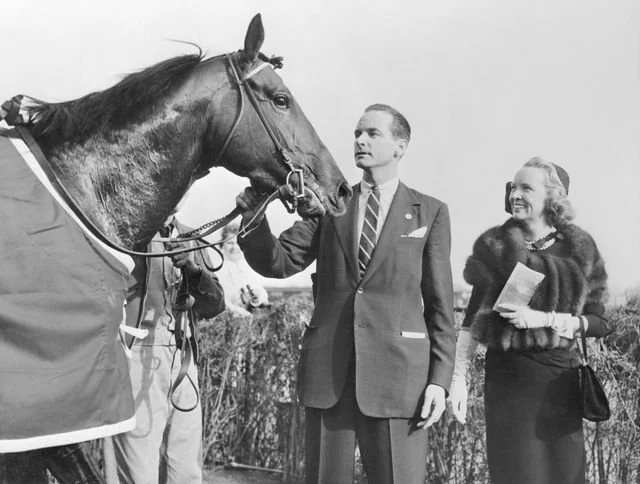
William Woodward Jr. with Nashua and his wife Ann Woodward - the last Woodward family member to own Belair. Ann shot William in 1955 in their weekend home in Long Island and was able to get the charges dismissed. However, the sensational story and Ann became a thinly disguised story of Ann, high society, and murder in Truman Capote's 1975 book "Answered Prayers." The German emigrant burglar, who had been working in the area for weeks, confessed to the break-in that caused Ann Woodward to shoot her husband in the dark, hearing what she thought was an intruder. However, the story as a murder stuck. Ann committed suicide when Compote's book was published. The two Woodward sons would subsequently follow their mother's suicide, ending the brutal cycle of alternative information.
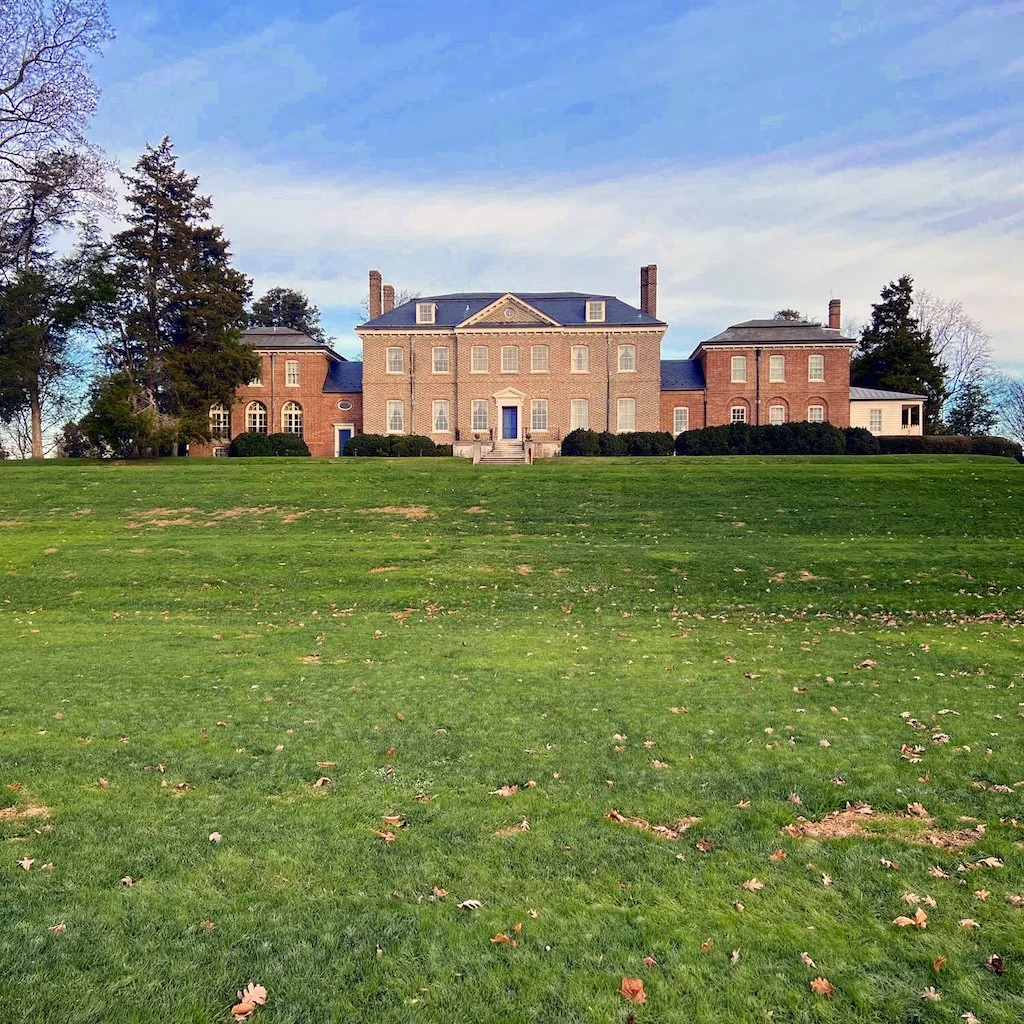
The Woodward family sold Belair and the stables after the 1955 shooting death of William Woodward Jr. Today, the mansion, located at 12207 Tulip Grove Drive in Bowie, Maryland, is owned by the City of Bowie and functions as a museum, along with the nearby Belair Stable Museum. Both the mansion and stables are listed separately on the National Register of Historic Places.