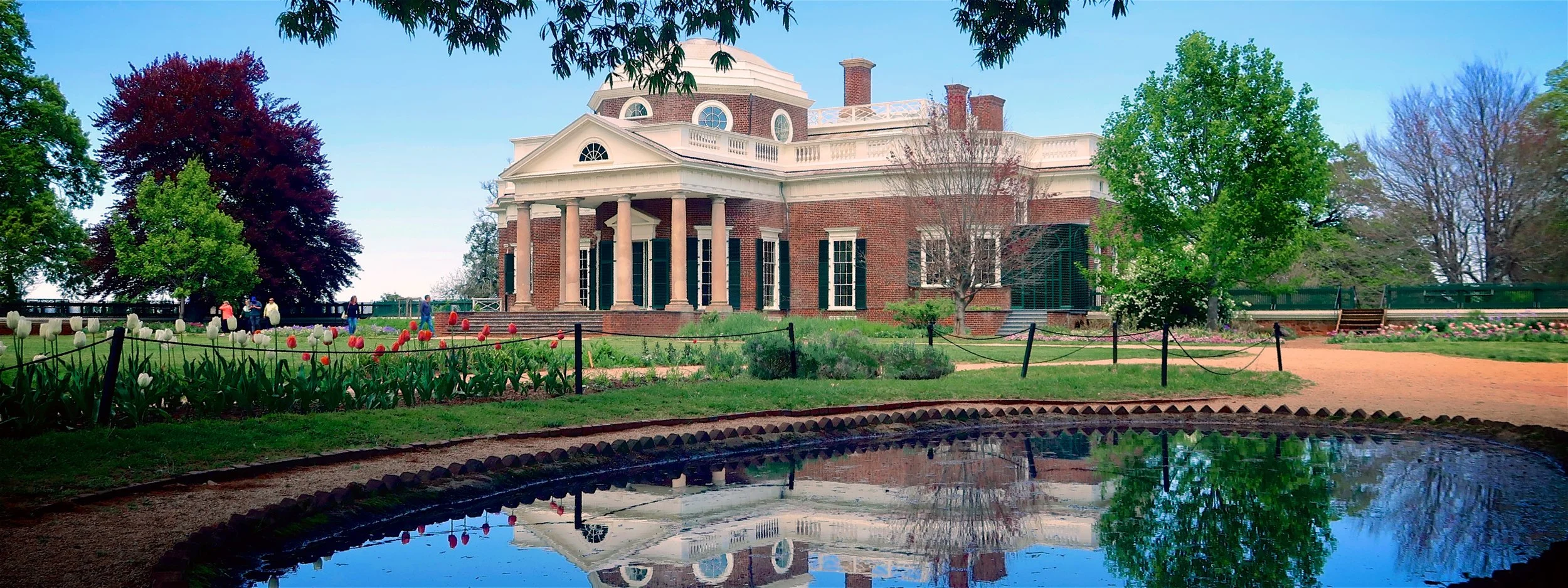
Photography by Bruce A deArmond
Monticello: Neo-Classical / Palladian Architecture, Built between 1768 and 1809 — Thomas Jefferson, Charlottesville, Virginia
Jefferson designed the main house using neoclassical design principles described by Italian Renaissance architect Andrea Palladio and integrating numerous ideas of his own. Work began on what historians would subsequently refer to as "the first Monticello" in 1768. After serving as Minister To France in 1784, the present classical temple form evolved. The remodeling continued throughout most of his presidency (1801–1809). Although generally completed by 1809, Jefferson continued work on the present structure until he died in 1826.
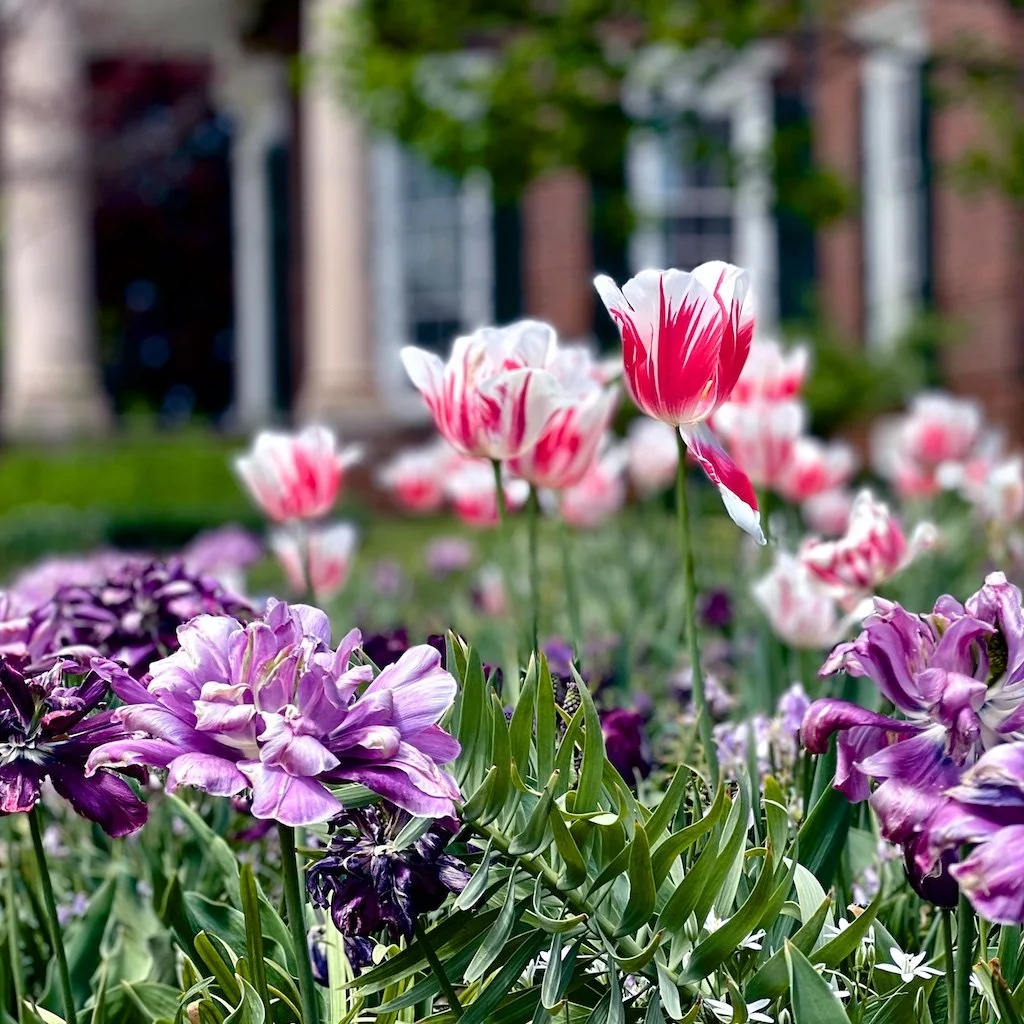
Monticello: Located outside Charlottesville, Virginia, in the Piedmont region, the plantation was originally 5,000 acres.
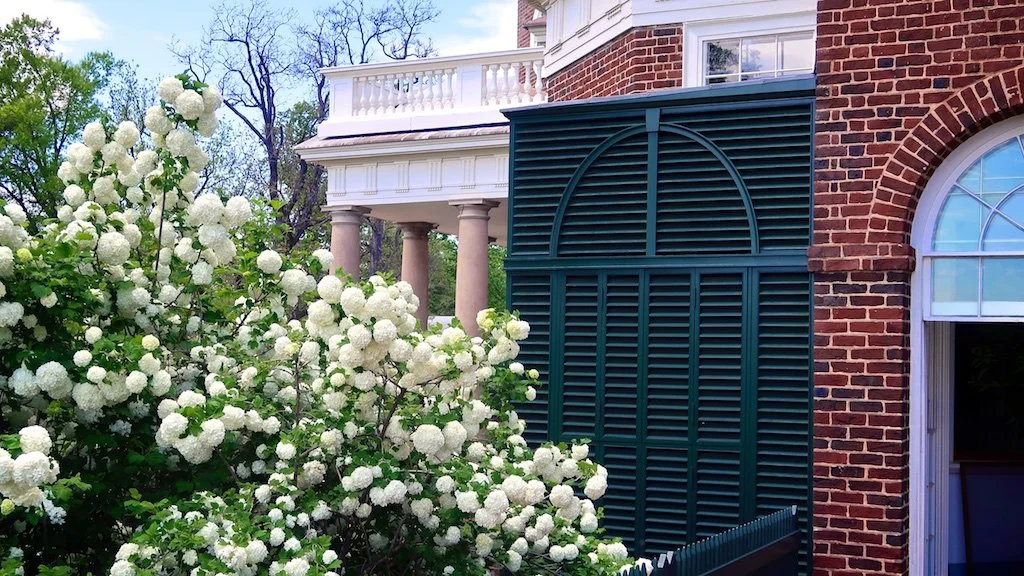
Monticello: Thomas Jefferson began building Monticelloin in 1768 after inheriting land from his father at age 26. It was s long process of designing and redesigning Monticello - constructed over forty years.
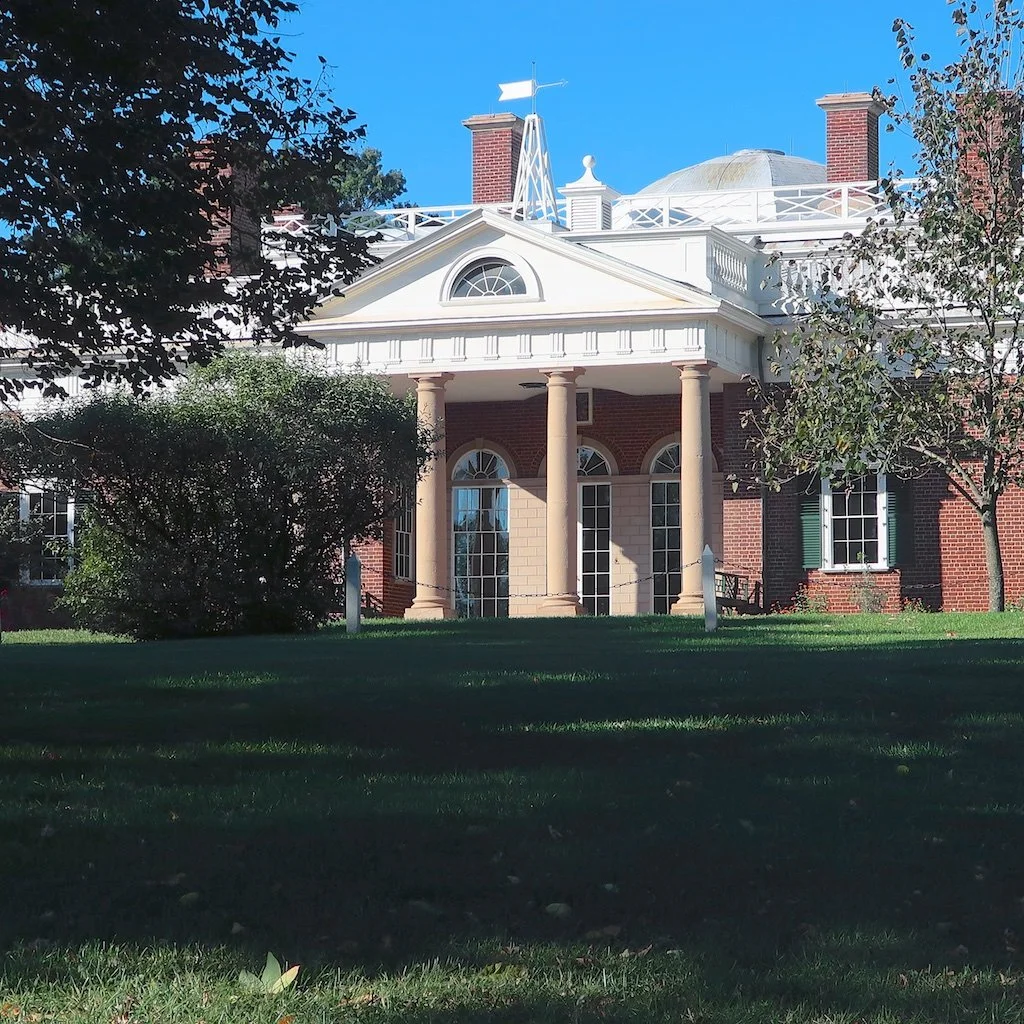
East Facade: The original main entrance is through the portico on the east front. The ceiling of this portico incorporates a wind plate connected to a weather vane, showing the direction of the wind.
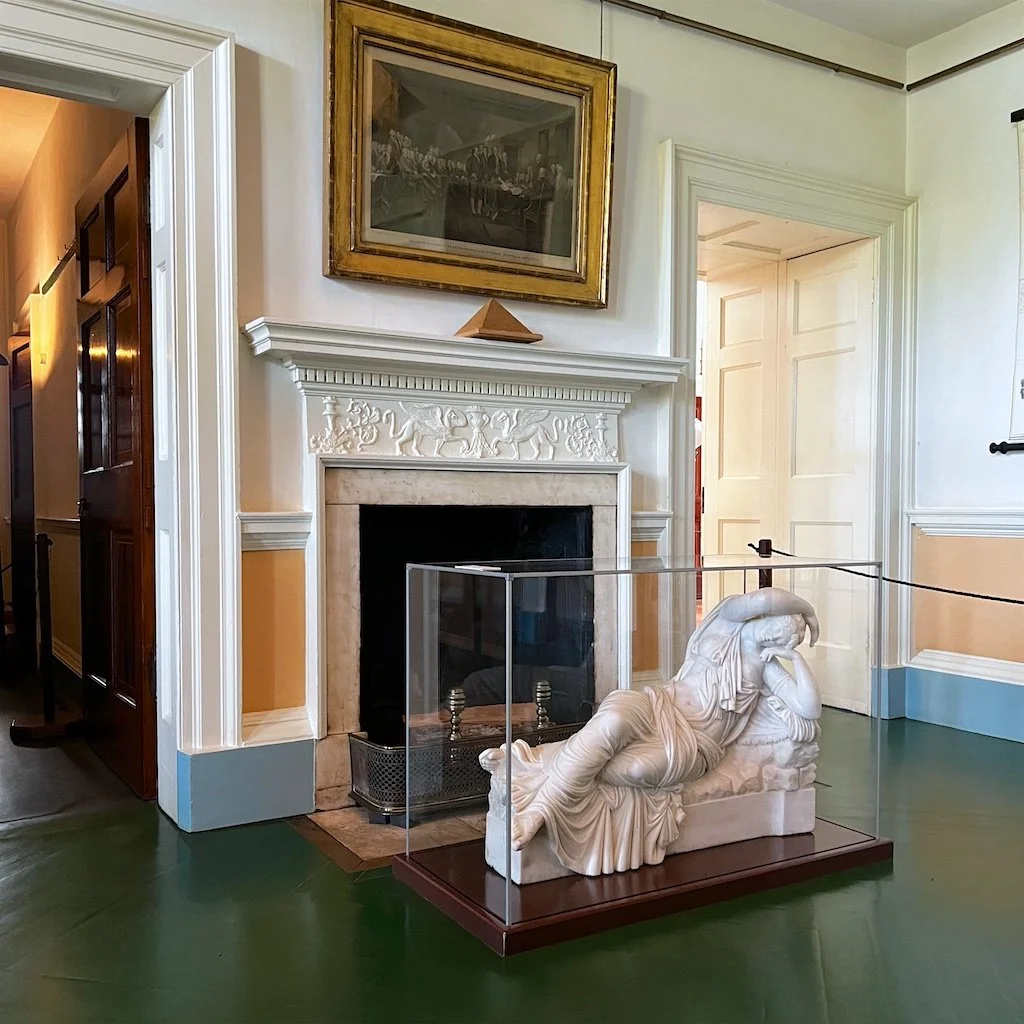
Entrance Hall: Showcasing the objects in this room demonstrated Jefferson's belief that "knowledge is power, and that knowledge should be shared among the people in a democratic state.
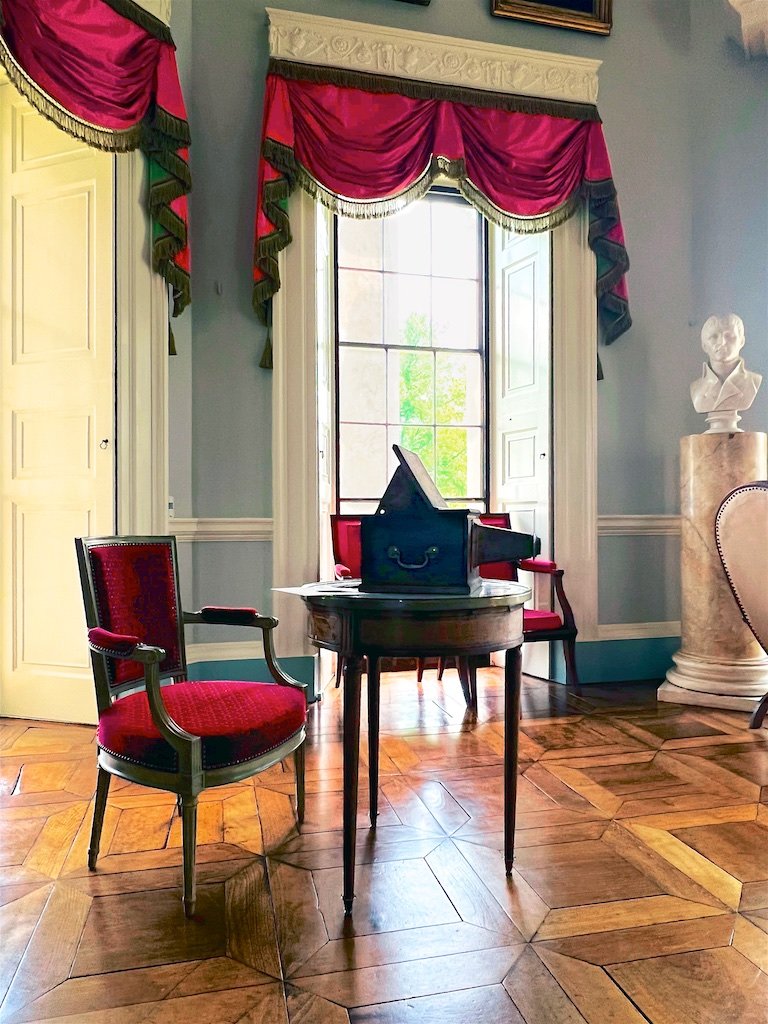
Parlor: Family and friends would gather in the Parlor for games, music, and it was the site of weddings, dances and other important social events. The Parlor has unpainted plaster, with a Thomas Jefferson-designed parquet floor of cherry and beech.
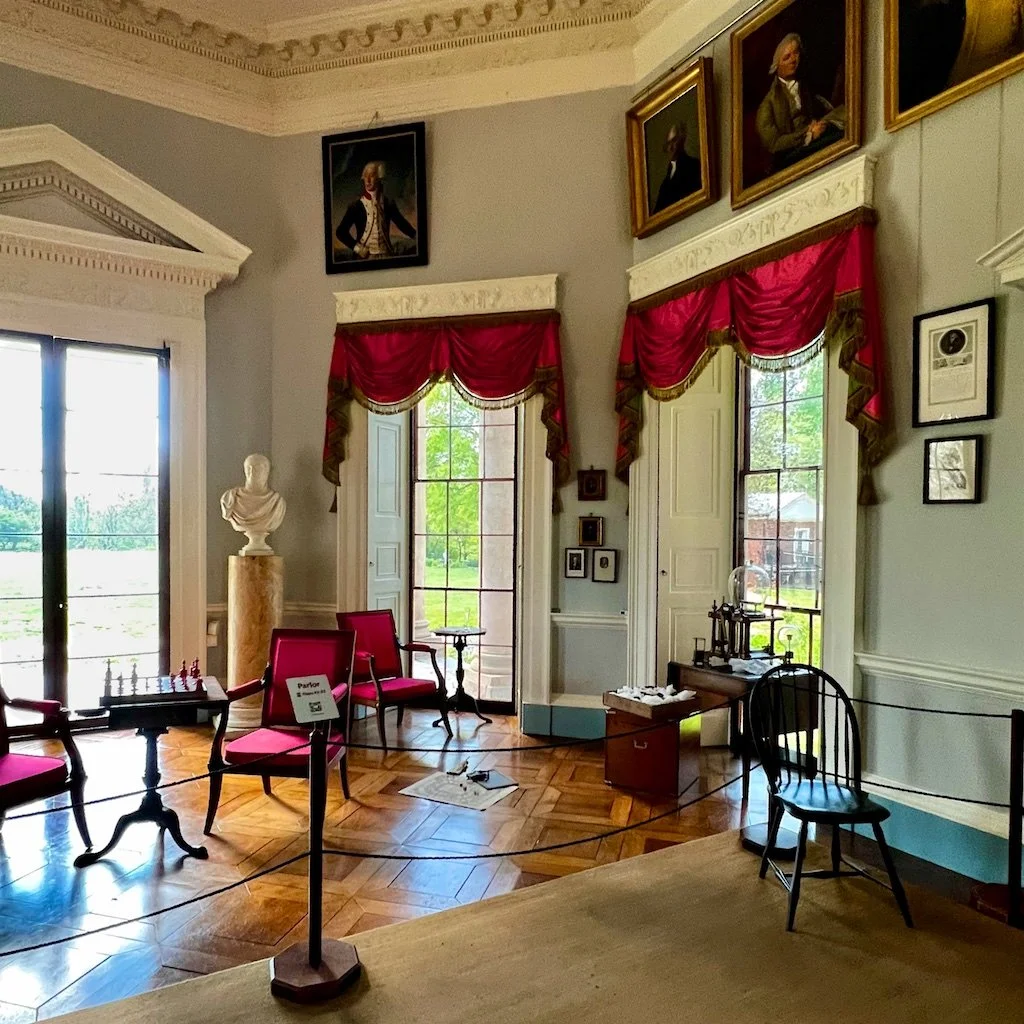
Parlor: The Parlor held most of Jefferson's art collection. Artwork, with paintings hung in tiers. Jefferson's 1809 inventory lists for this room: "Portraits = 24; Paintings = 17; Medals = 10; Busts = 2; Miscellaneous = 4."
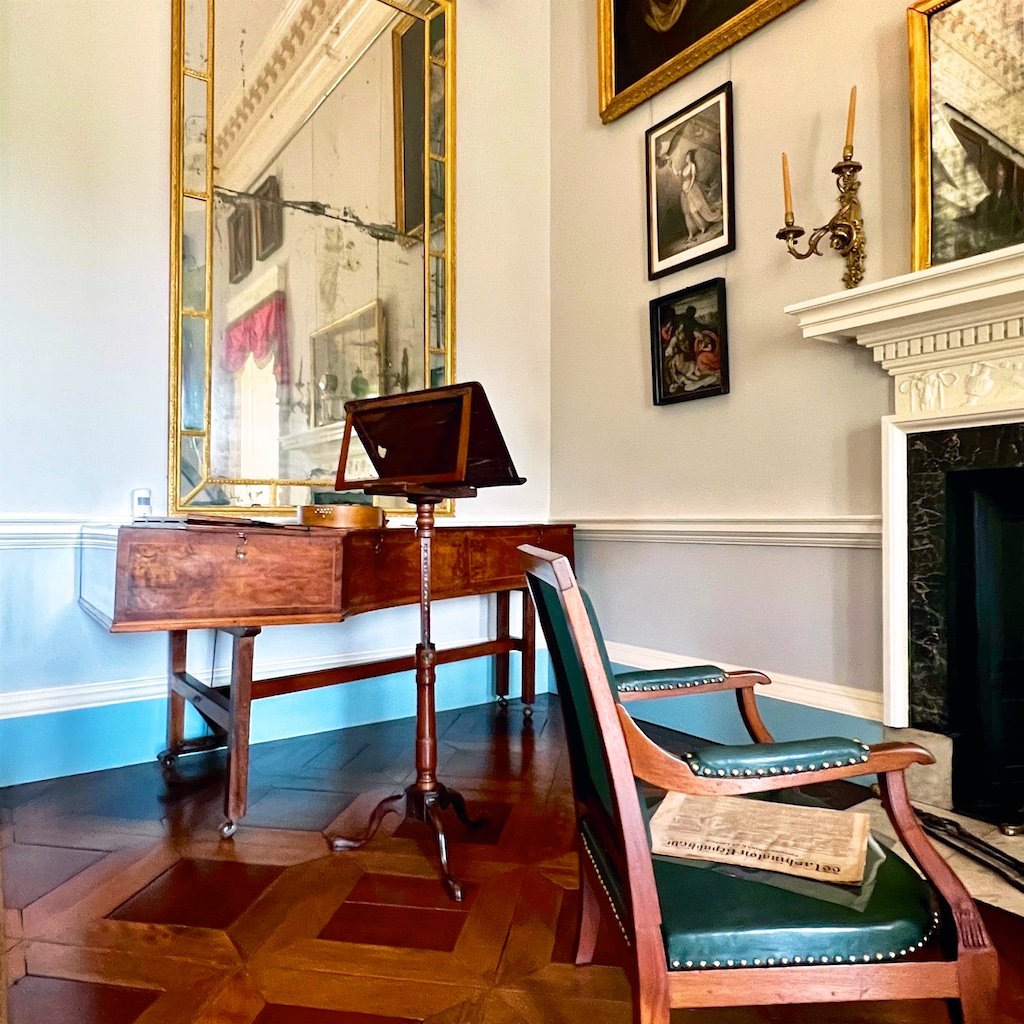
Harpsichord: A superb harpsichord made by the celebrated London maker Jacob Kirckman, one of the finest harpsichords available at the time - purchased for his older daughter, Martha.
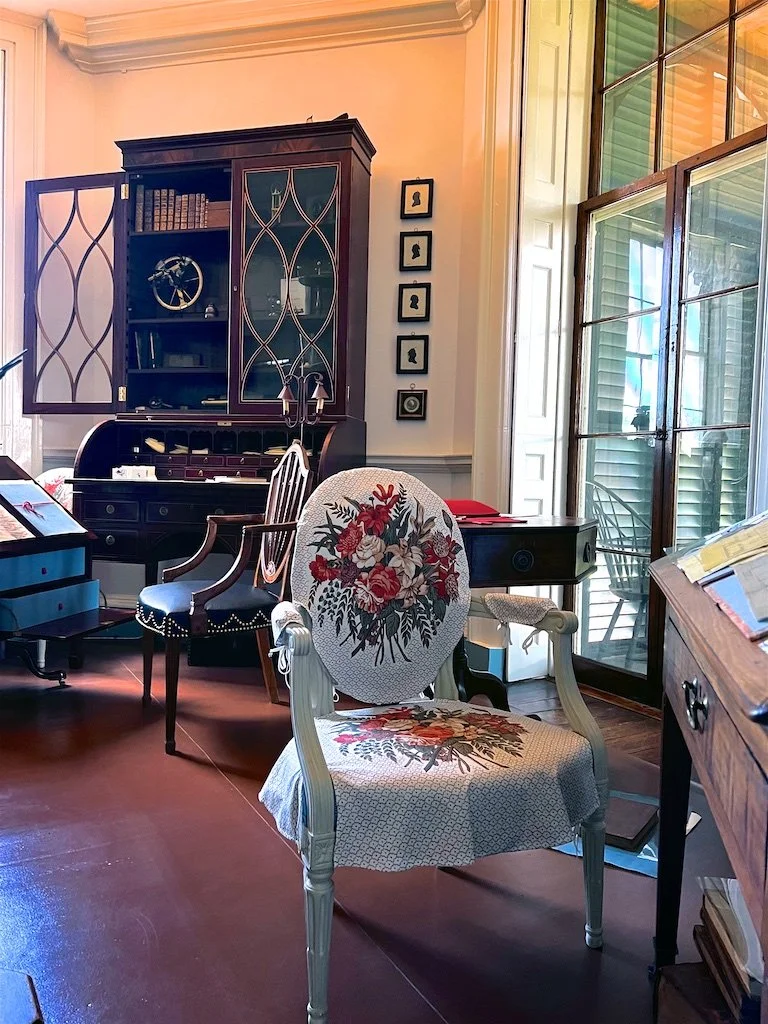
South Wing: The south wing includes Jefferson's private suite of rooms. The library holds many books from his third library collection. His first library was burned in a plantation fire, and his second library was sold in 1815 to the United States Congress to replace the books lost when the British burned Washington in 1814.
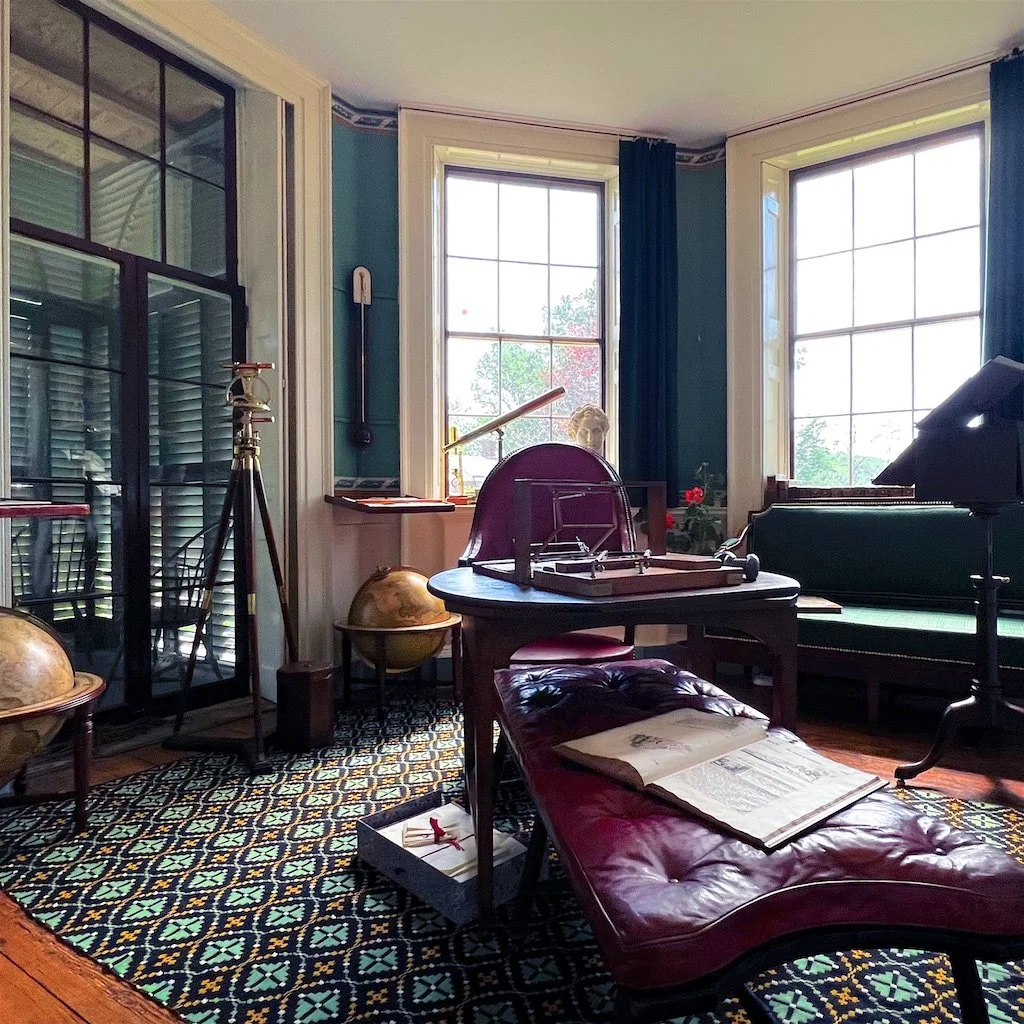
Cabinet: In his Cabinet, Jefferson answered thousands of letters, recorded the weather, and managed his plantations. Jefferson's highly functional space contains books, papers, works of art, and a "polygraph" copy machine to copy letters.
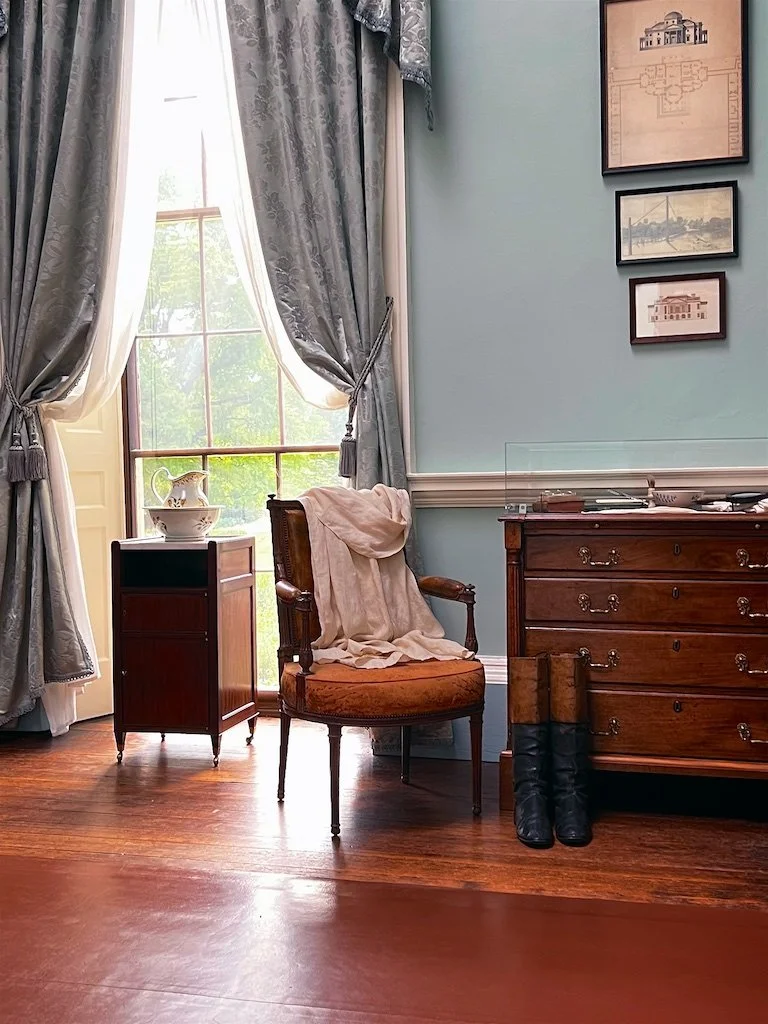
Bed Chamber: Jefferson furnished his Bed Chamber with silk curtains, marble-topped tables, and upholstered armchairs from his house in Paris. Mixed in is the Virginia-made bureau his wife used during their marriage.
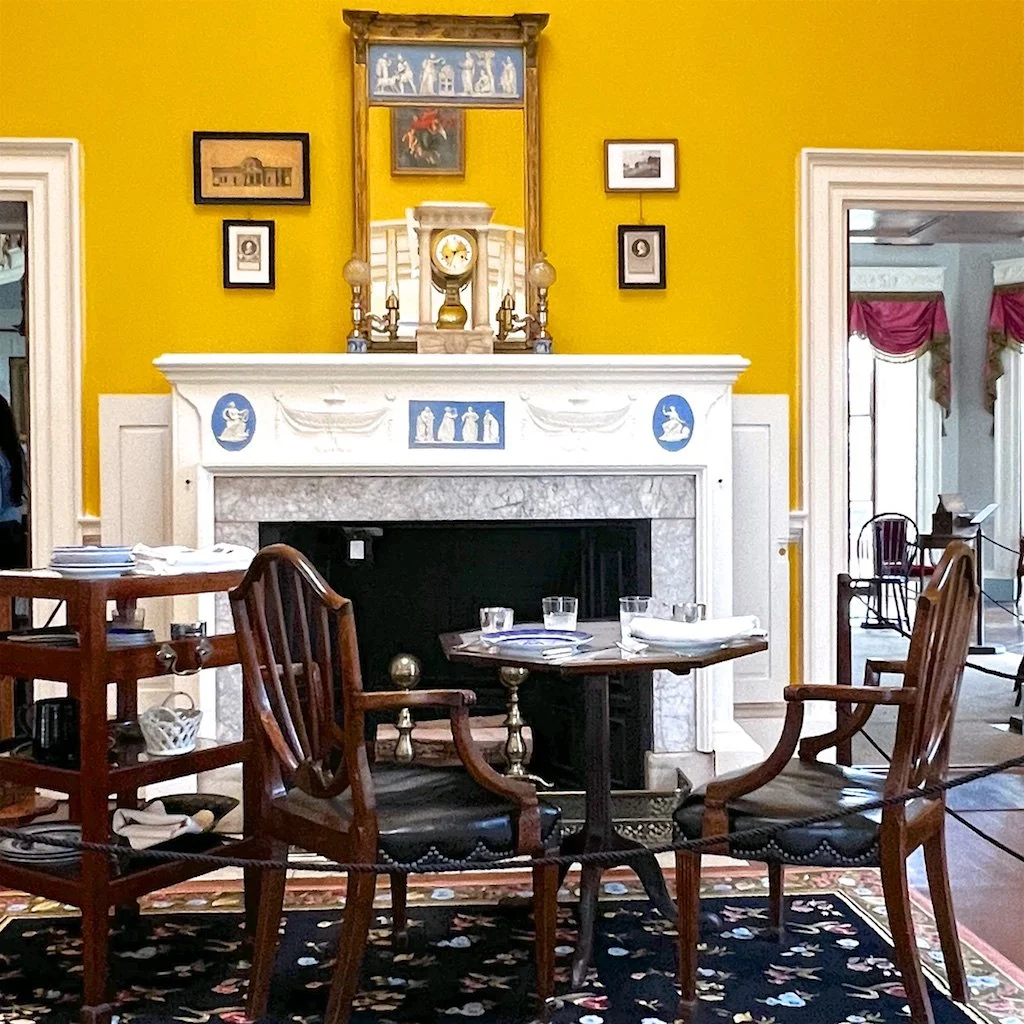
North Wing: The north wing includes two guest bedrooms and a dining room. It has a dumbwaiter incorporated into the fireplace, dumbwaiters, and a pivoting serving door with shelves. Originally unpainted plaster, the dining room was "chrome yellow," following his time in Paris, then wall-papered, then blue in the post-Jefferson era. Currently, the walls are a "chrome yellow" recreated following paint analysis studies.
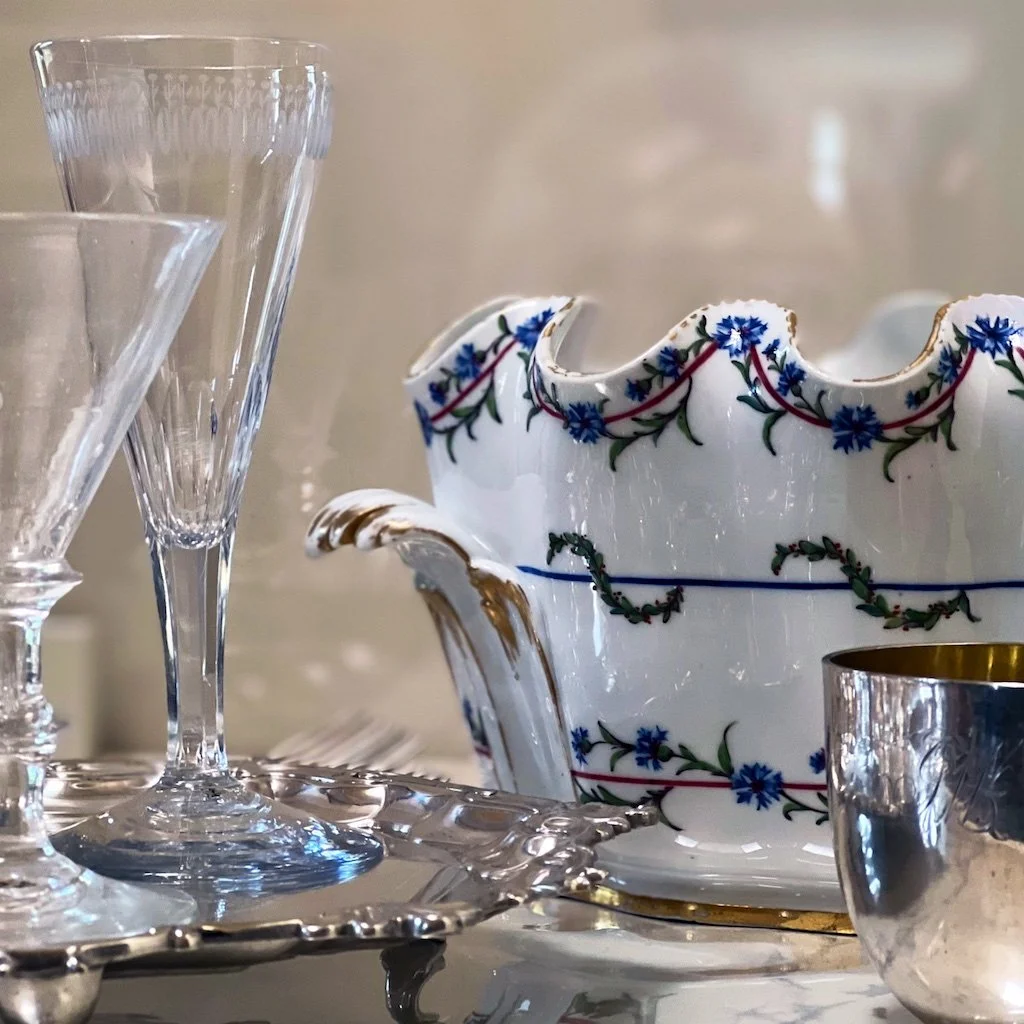
Dining Room: Personal items included china from his wife, objects from his life in Paris, and pieces inherited from friends and colleagues.
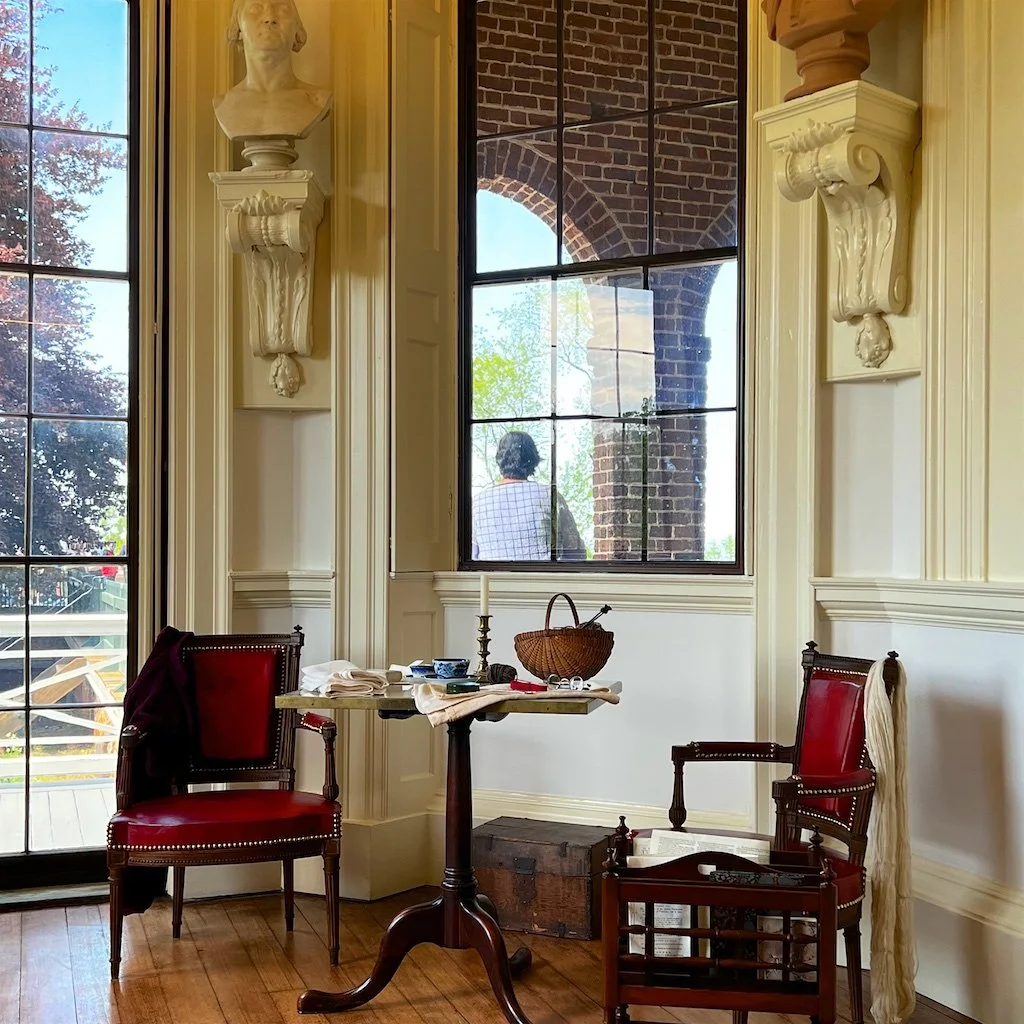
Tea Room: The Tea Room served as a place for overflow seating during meals and a reading and writing area for the Jefferson family.
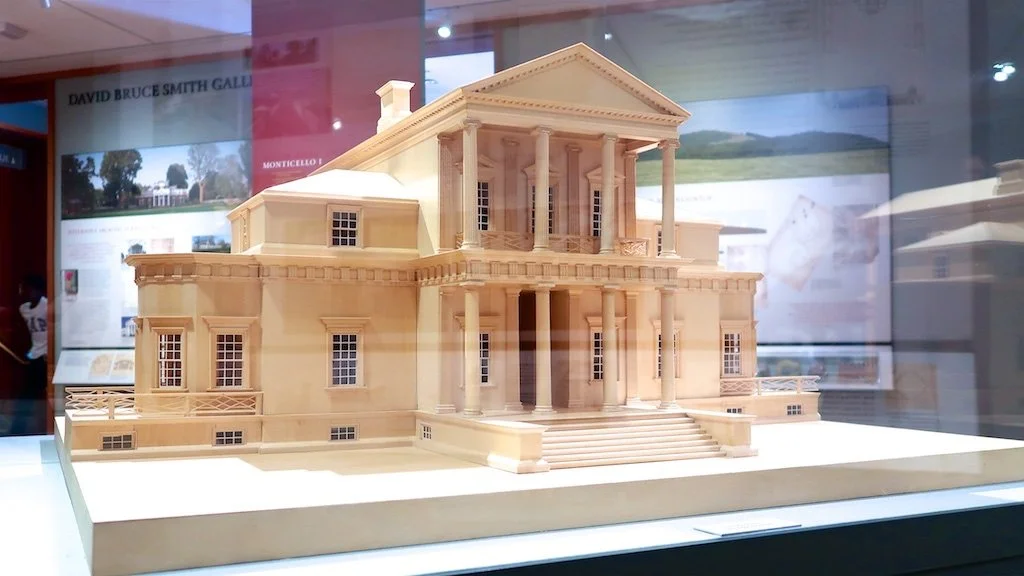
Monticello Original Plan: The first Monticello (roughly from 1770 to 1796) was influenced by the designs of Andrea Palladio as studied from design and pattern books of the time. In its final phase, Monticello (which started in 1796) was based on the temple designs Jefferson saw in Europe while Minister to France.
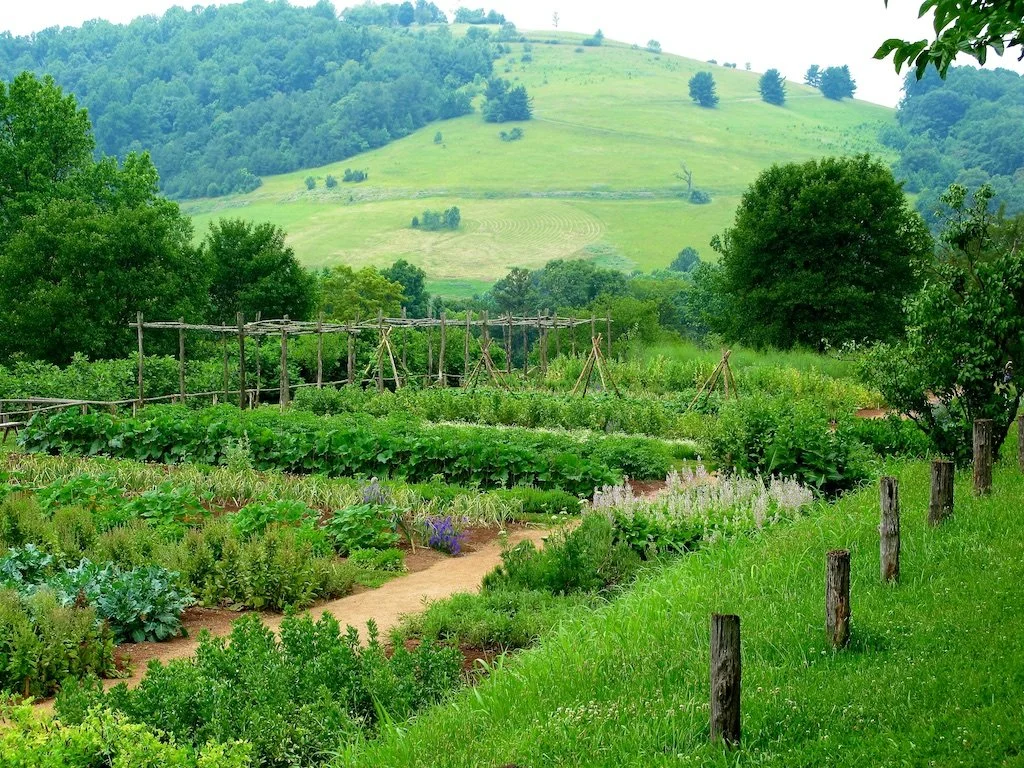
Monticello Gardens: The 1,000-foot-long terrace, or garden plateau, was literally hewed from the side of the mountain with slave labor, and it was supported by a massive stone wall that stood over twelve feet in its highest section.
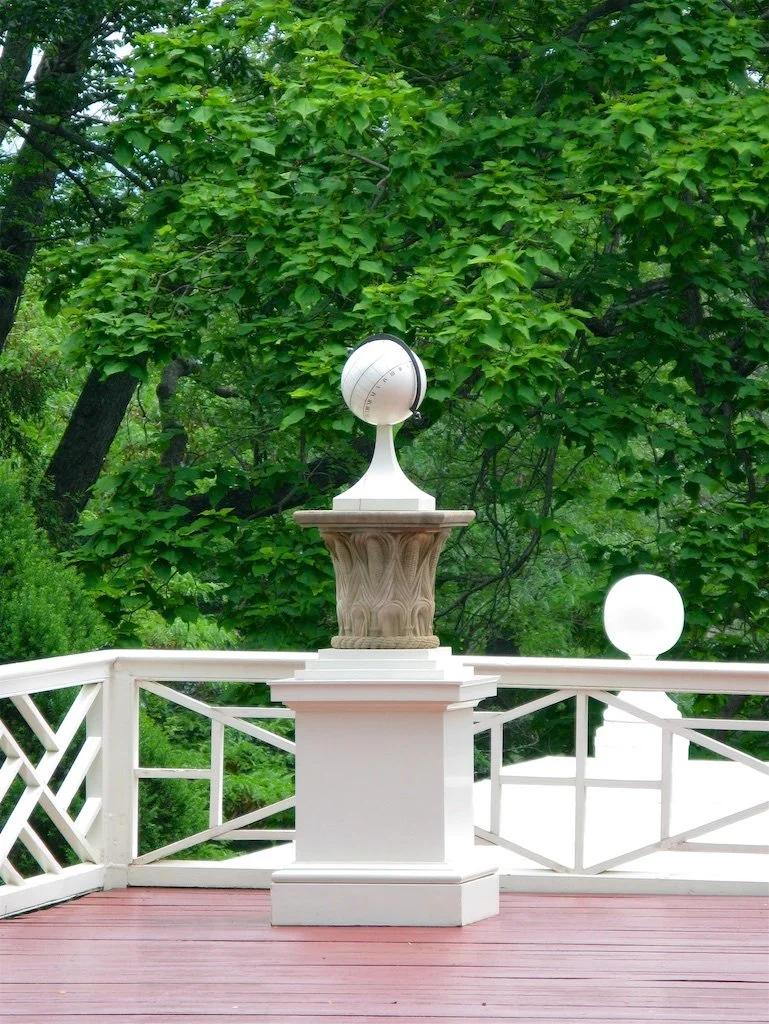
Spherical Sundial: There is no evidence that spherical dials were in use in North America before Jefferson produced his version, although various types based on the same principle existed in Europe.
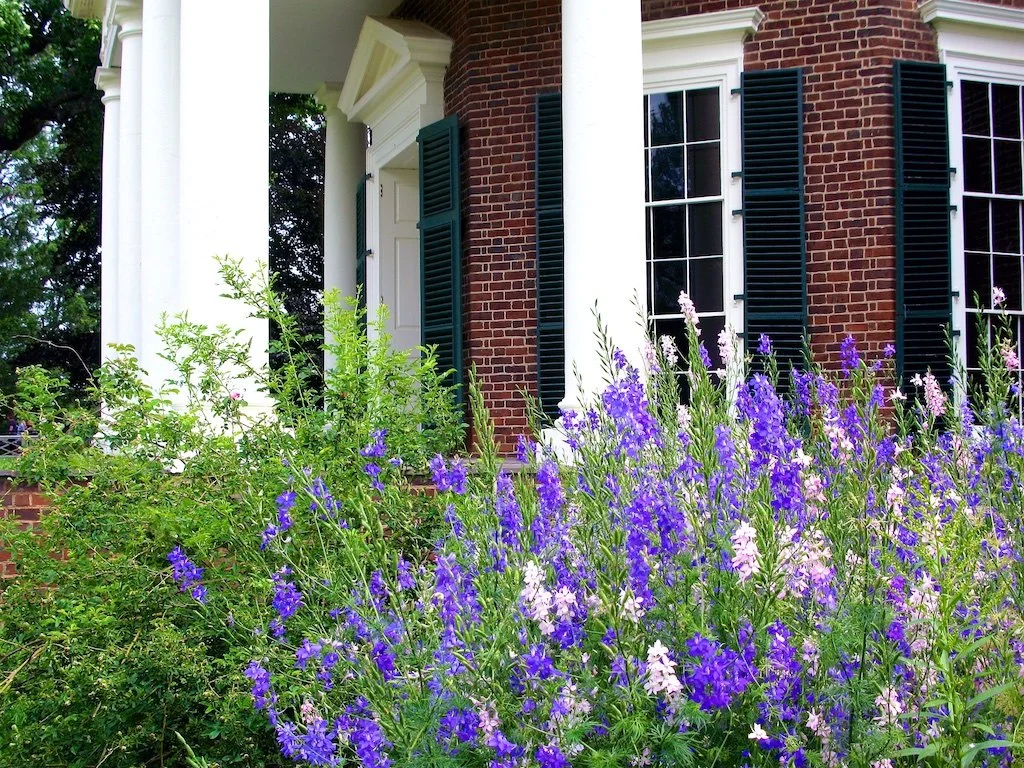
Flower Gardens: Monticello was a botanic laboratory of ornamental and useful plants from around the world.