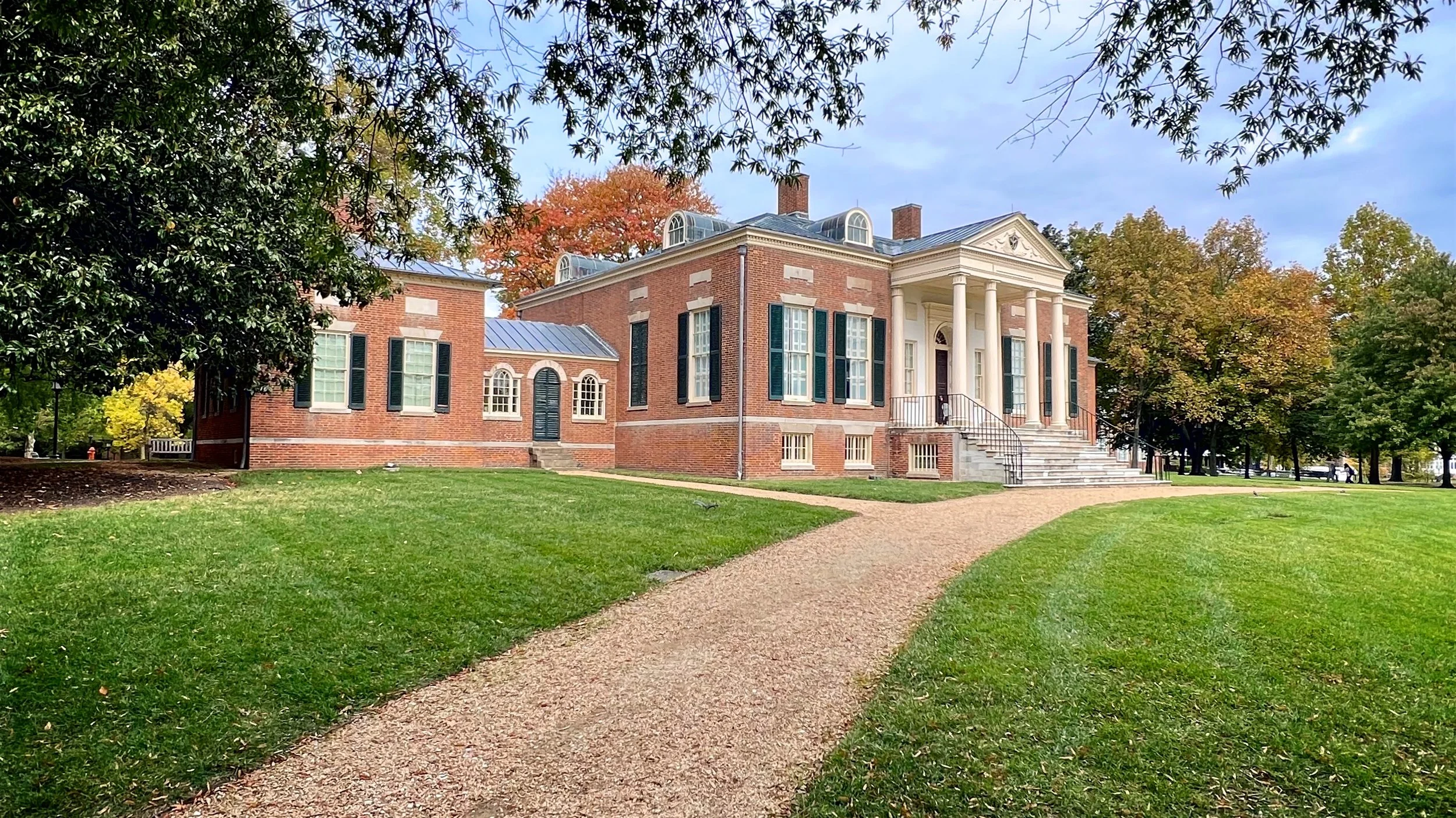
Photography by Bruce A deArmond
1800 was still an era of gentlemen builders - The professional architect was emerging in post-Revolution America. There is no evidence or drawings of an architect for the Homewood. However, there is verification that the builder, the Edwards Brothers, very skilled and well-established, contracted with Carroll for the project. Built on a Palladian-inspired five-part plan, Homewood is renowned for its fine craftsmanship and materials.
There is extravagant detail in all aspects of the construction of Homewood, from the intricately carved wooden fireplace surrounds, doorways, and chair rails to the marble-painted baseboards, mahogany-grained doors, and the ornate plaster ceiling ornaments. With elegant proportions, fine artistry, and materials, its plan, all on one floor, was an open approach. Guests could move from room to room through doors on the south side. Doors at the north end of the rooms could be closed to conceal service activity along the central passage. Homewood is furnished as it would have been when the Carrolls resided there. Interior spaces and brightly colored rooms are filled with items associated with the Carroll family and others representative of the period, including many superb examples of Baltimore furniture. Homewood remains a window into early 19th-century Baltimore history and its architectural and design evolution.
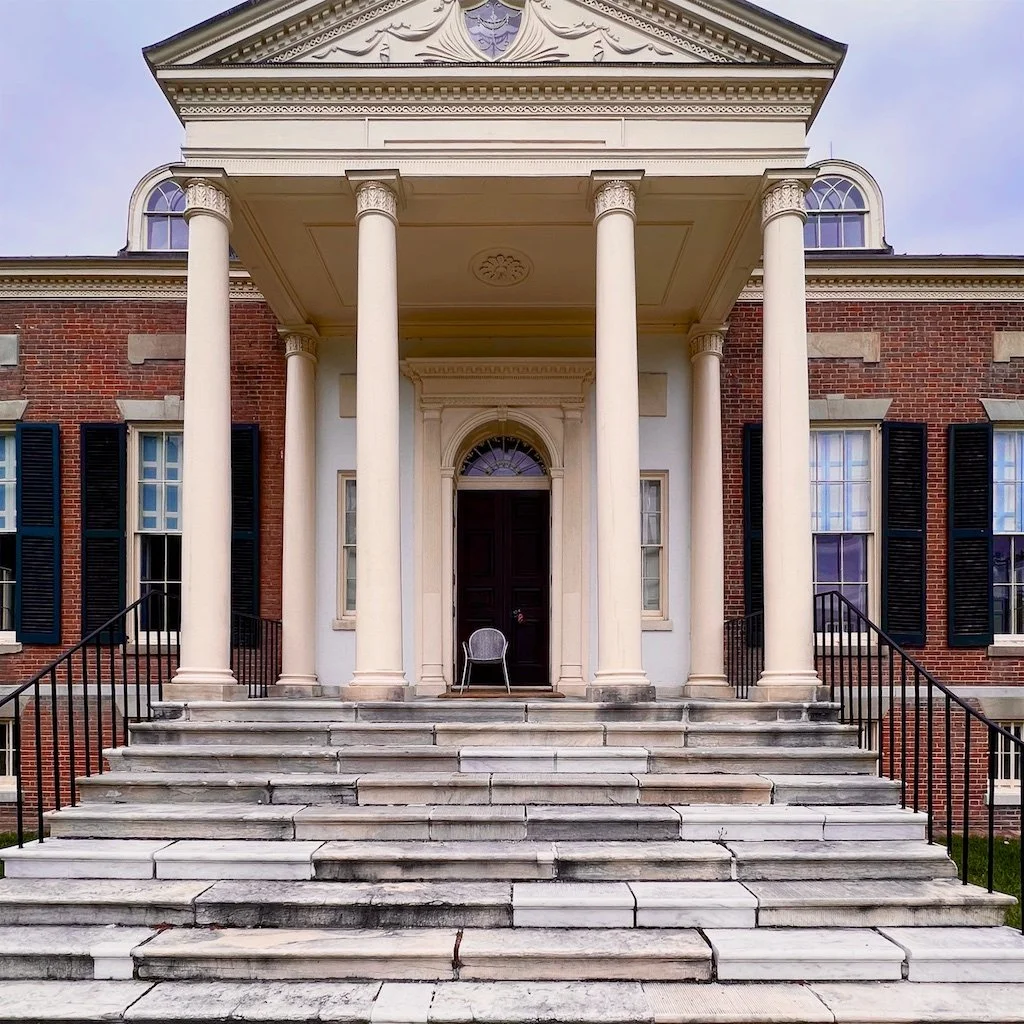
Homewood South Facade: The design of Homewood Estate is five-part Palladian using Federal-style detailing.
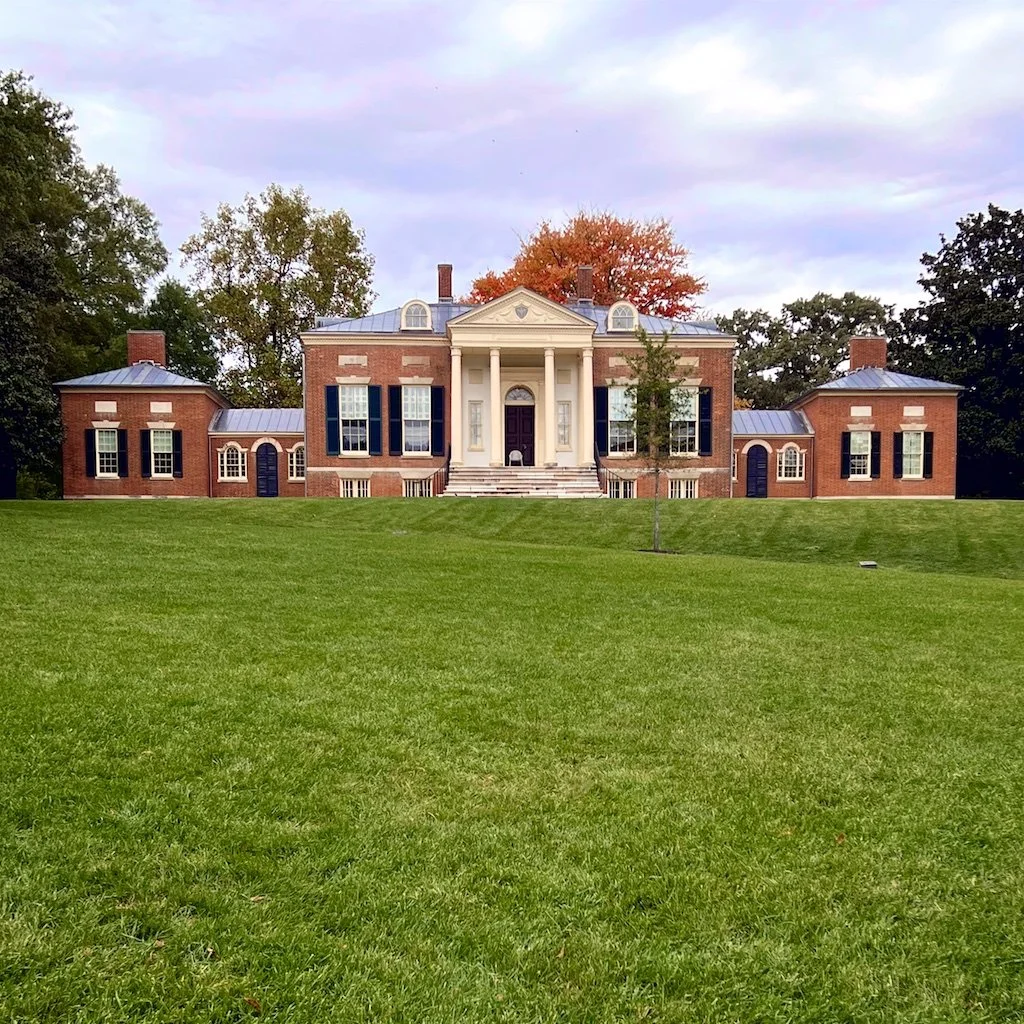
Homewood South Facade: The temple front four-columned portico is the focus of the principal elevation.
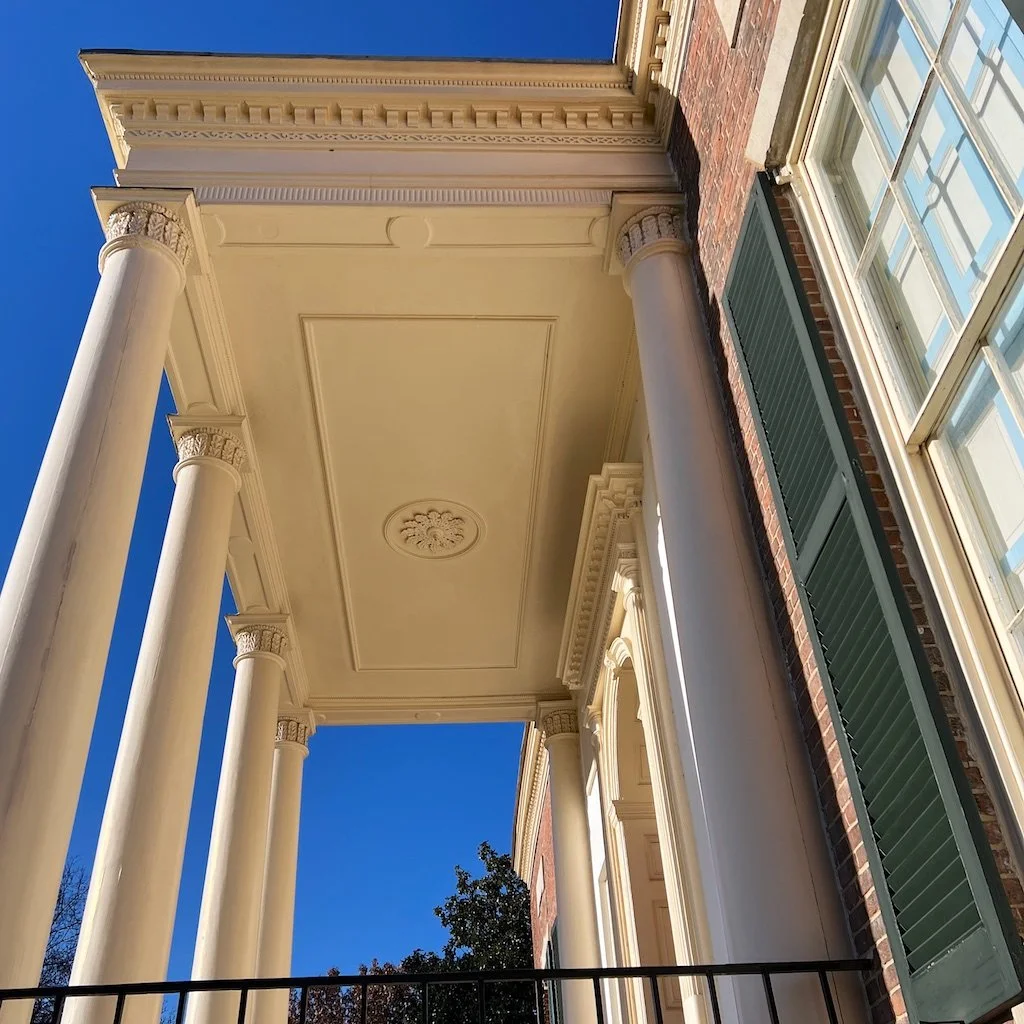
South Portico: Homewood offers a glimpse into the window of early 19th-century Maryland on a fast track of growth and development.
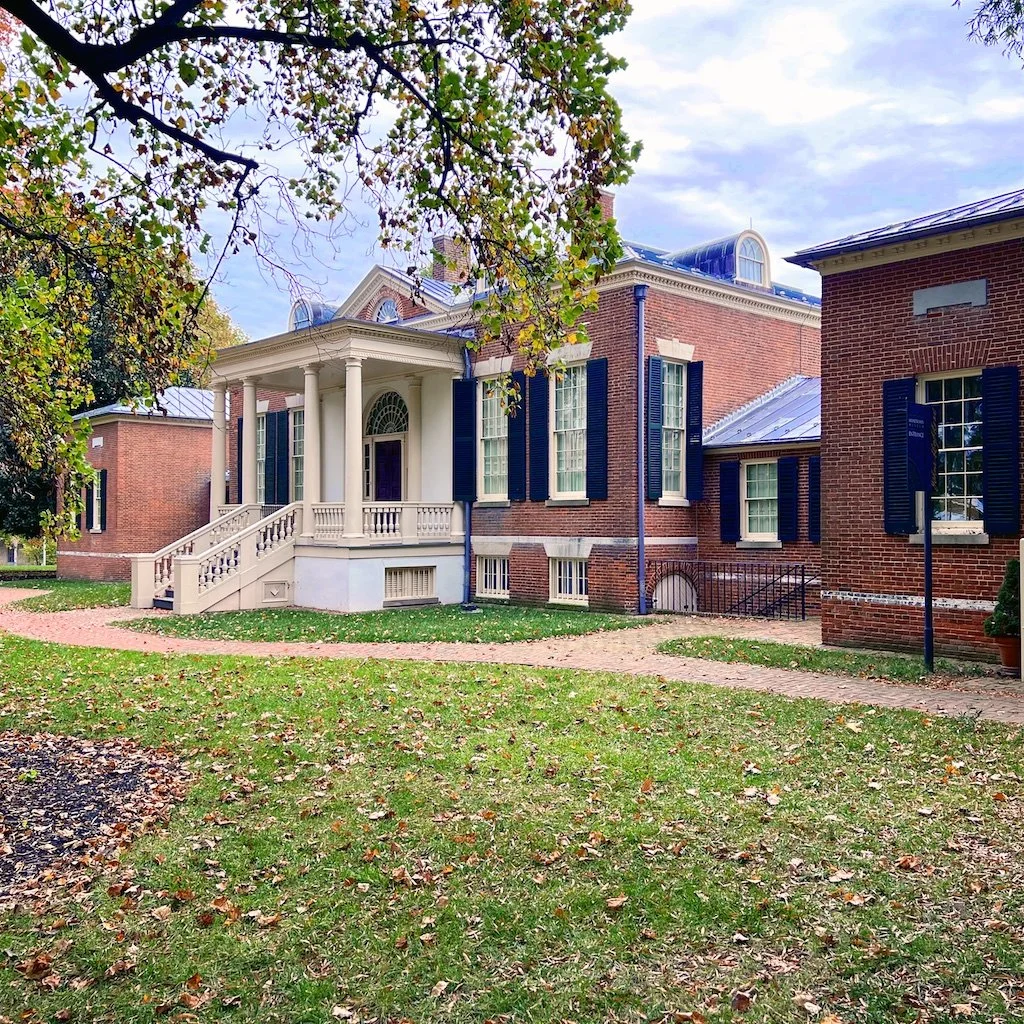
Homewood North Facade: The garden facade has a flat portico. The house is built of Flemish-bond brick with stone trim.
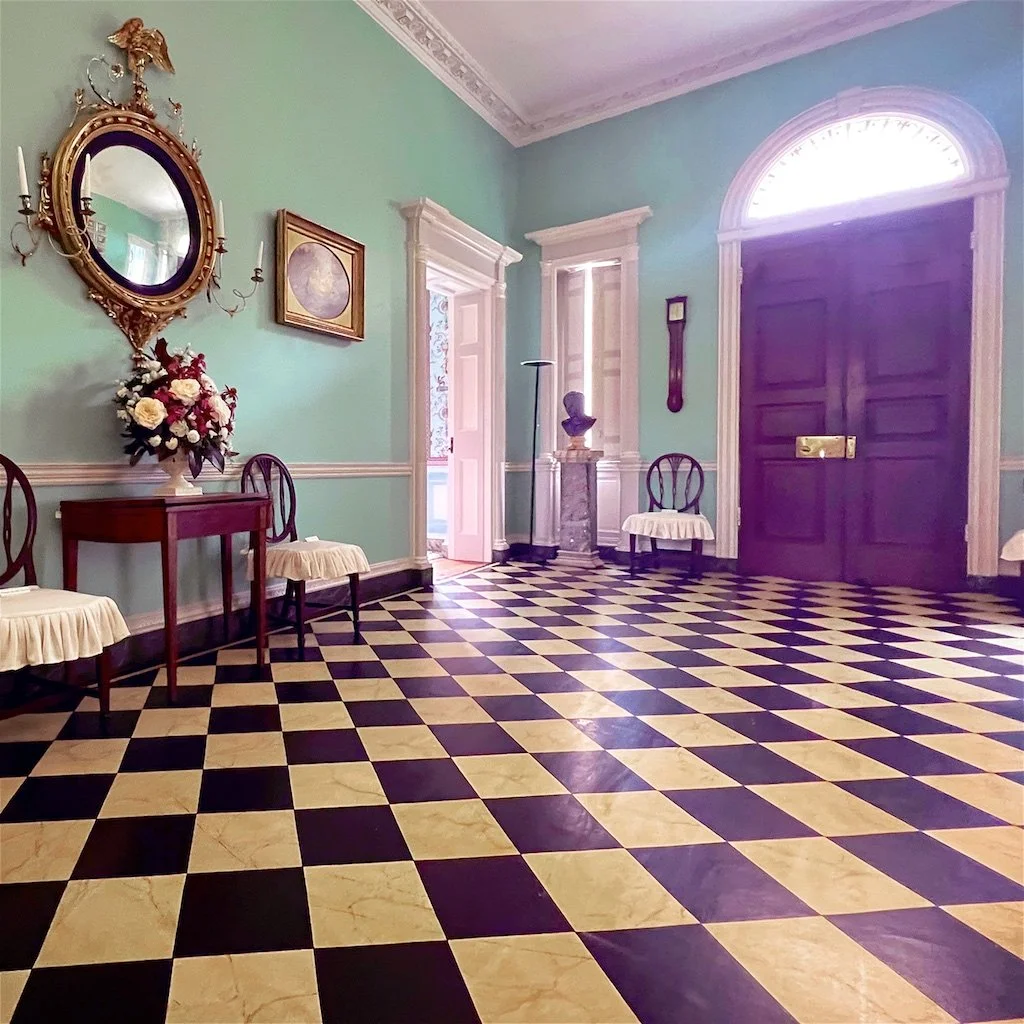
Homewood Reception Hall: Following has a wide center reception hall adjoining a back garden entry hall in which the stairway to the upper level is located.
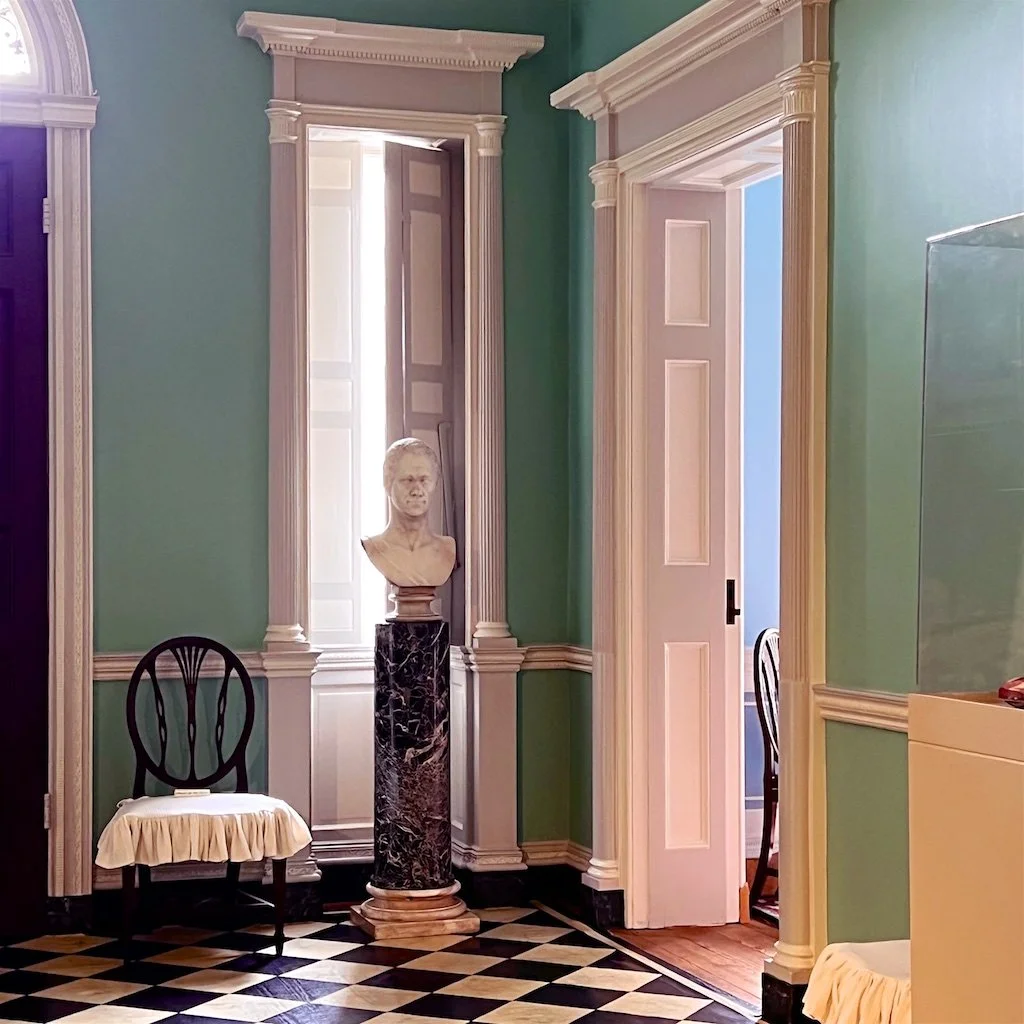
Homewood Reception Hall: Painted floor cloths or richly detailed rugs cover the original southern yellow pine floors.
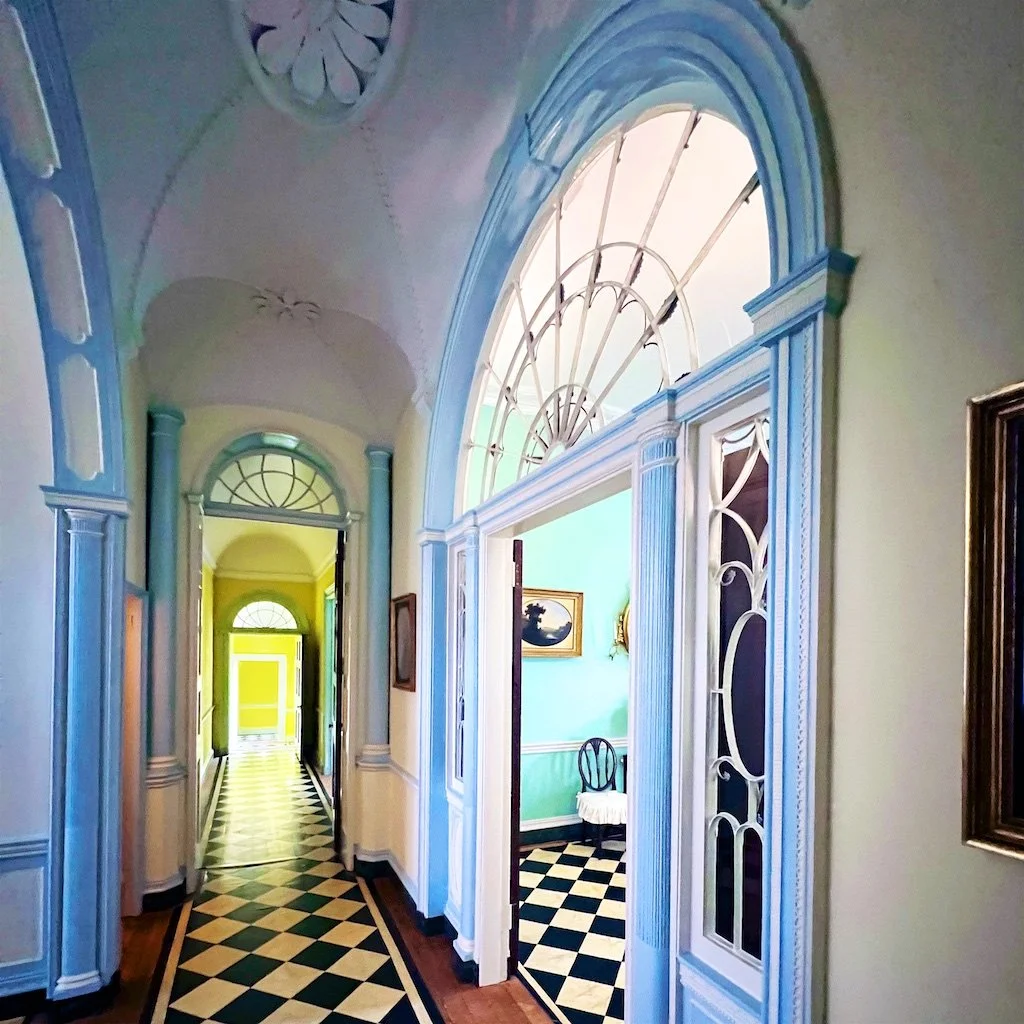
Homewood Central Hall: The halls are flanked by large rooms and bisected by a perpendicular east-west cross hall that also provides access to the hyphens and wings.
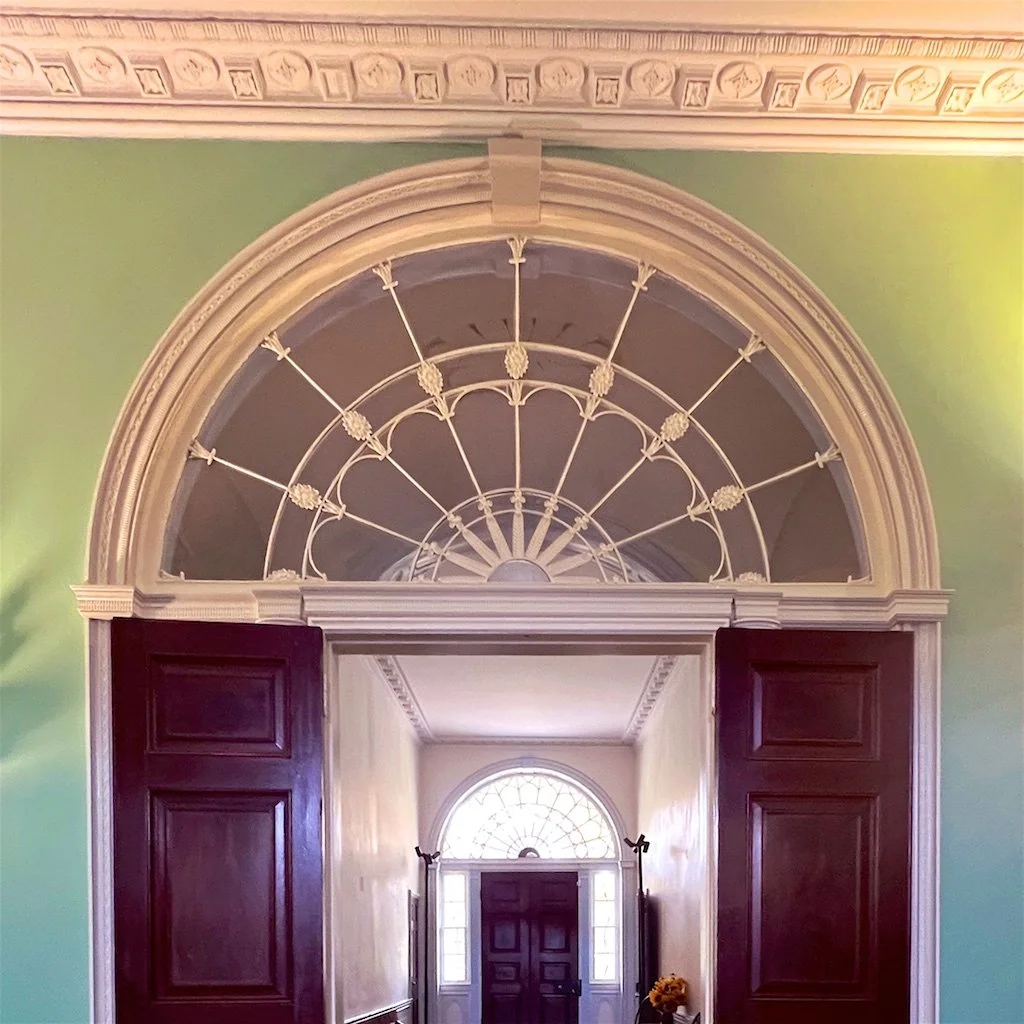
Homewood Central Hall: The placement of the fanlights along the axis of the cross hall takes advantage of natural light.
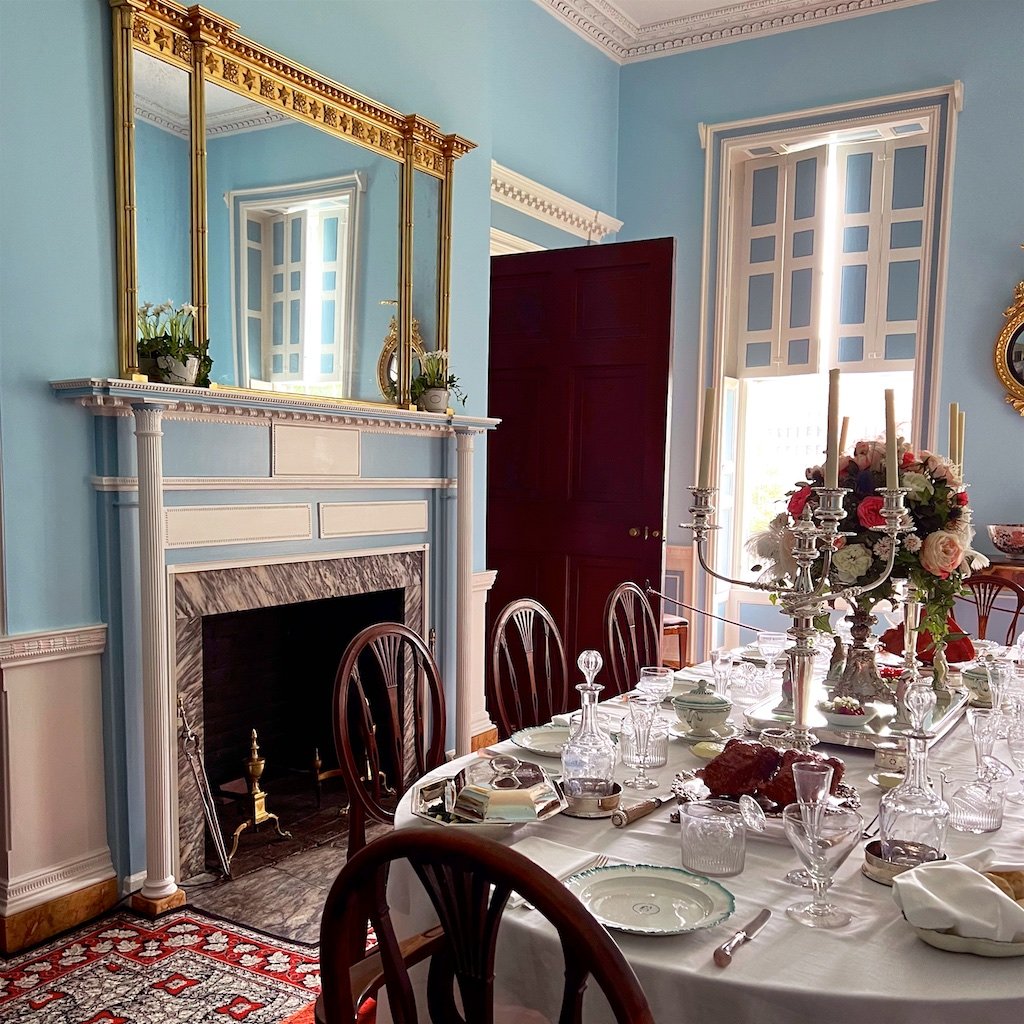
Homewood Dining Room: Many details of the house were probably drawn from the design book William Pain's "The Practical House Carpenter," the first American edition printed in 1796. Extreme attention to detail and design reflects the importance of entertaining at the time.
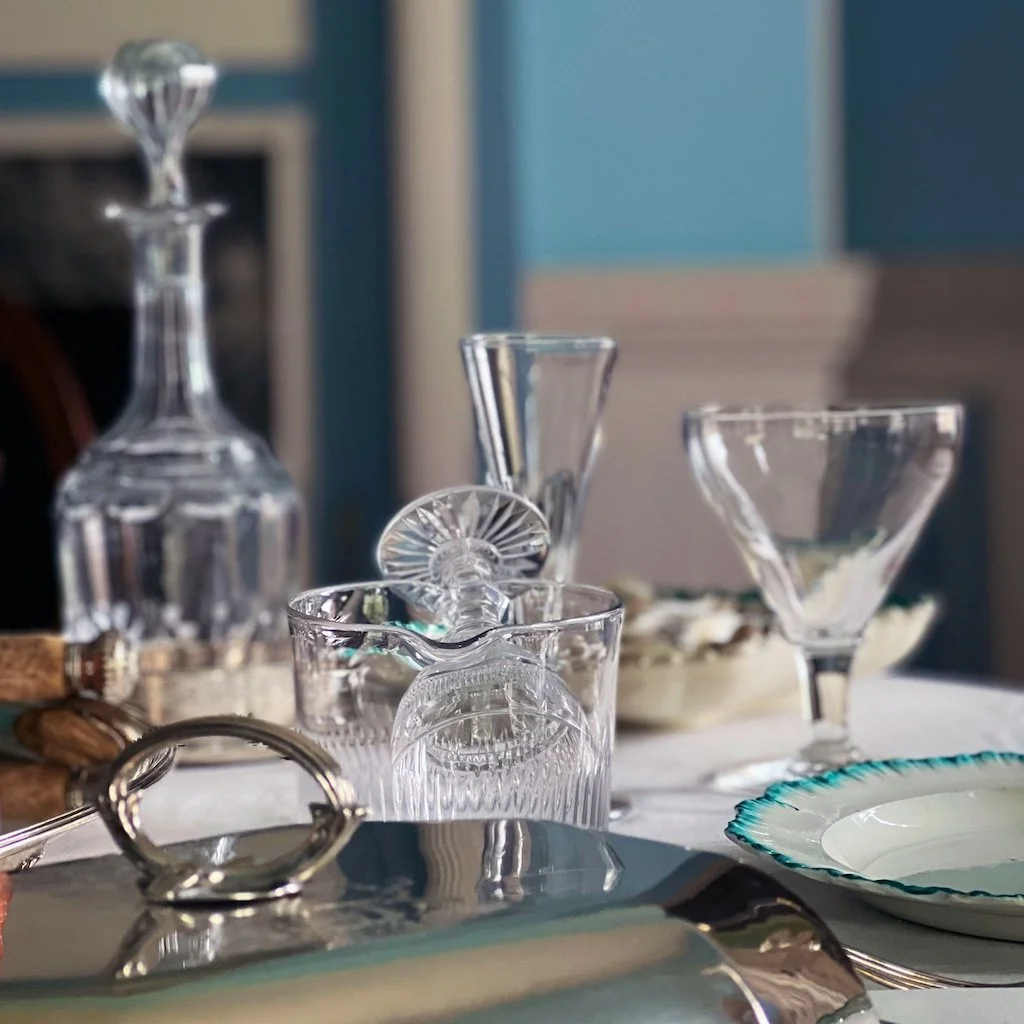
Homewood Dining Room: Americans were particularly eager to show their taste, understanding of culture, and refined entertaining. The dining room was significant for projecting this refinement and revealing the fine dining tools through their china, crystal, and, most importantly, silver.
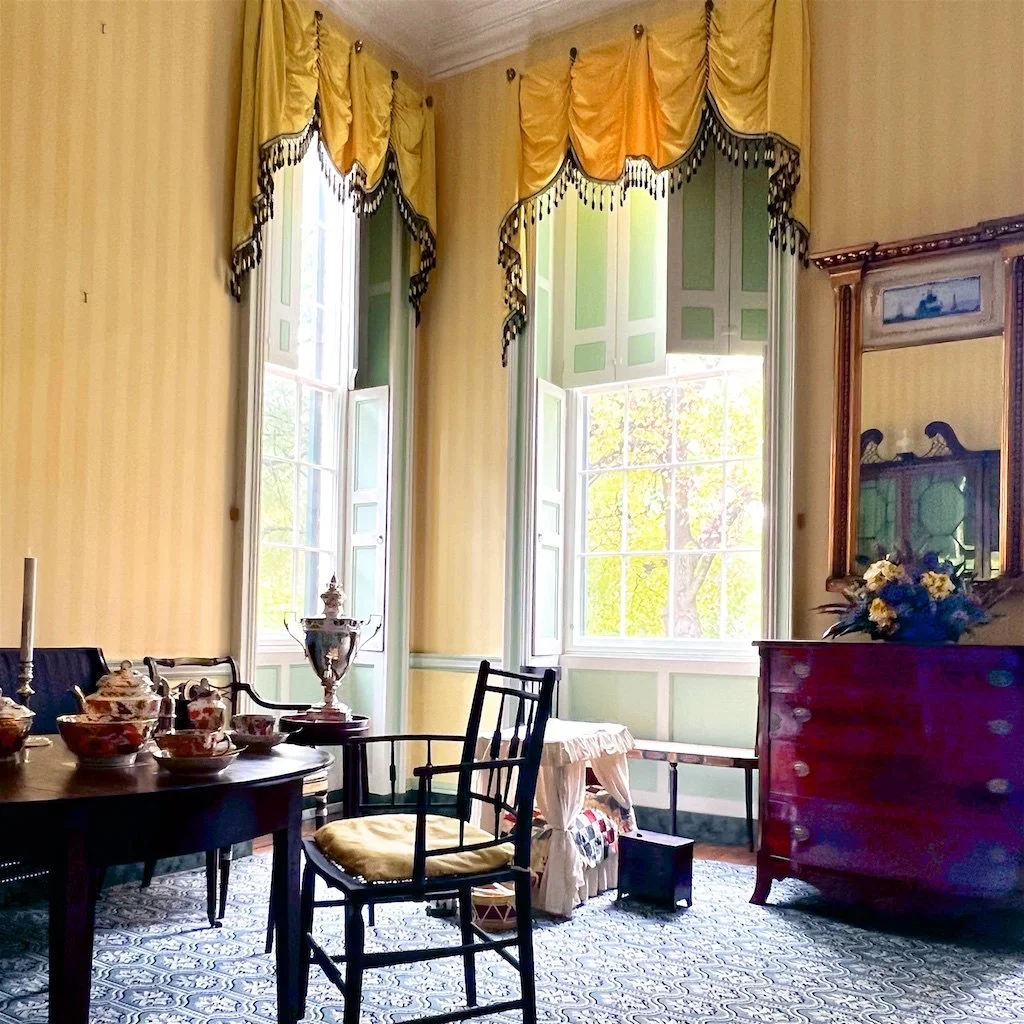
Homewood Back Parlor: On the garden side, and filled with late afternoon light. The parlor also acts as a library space.
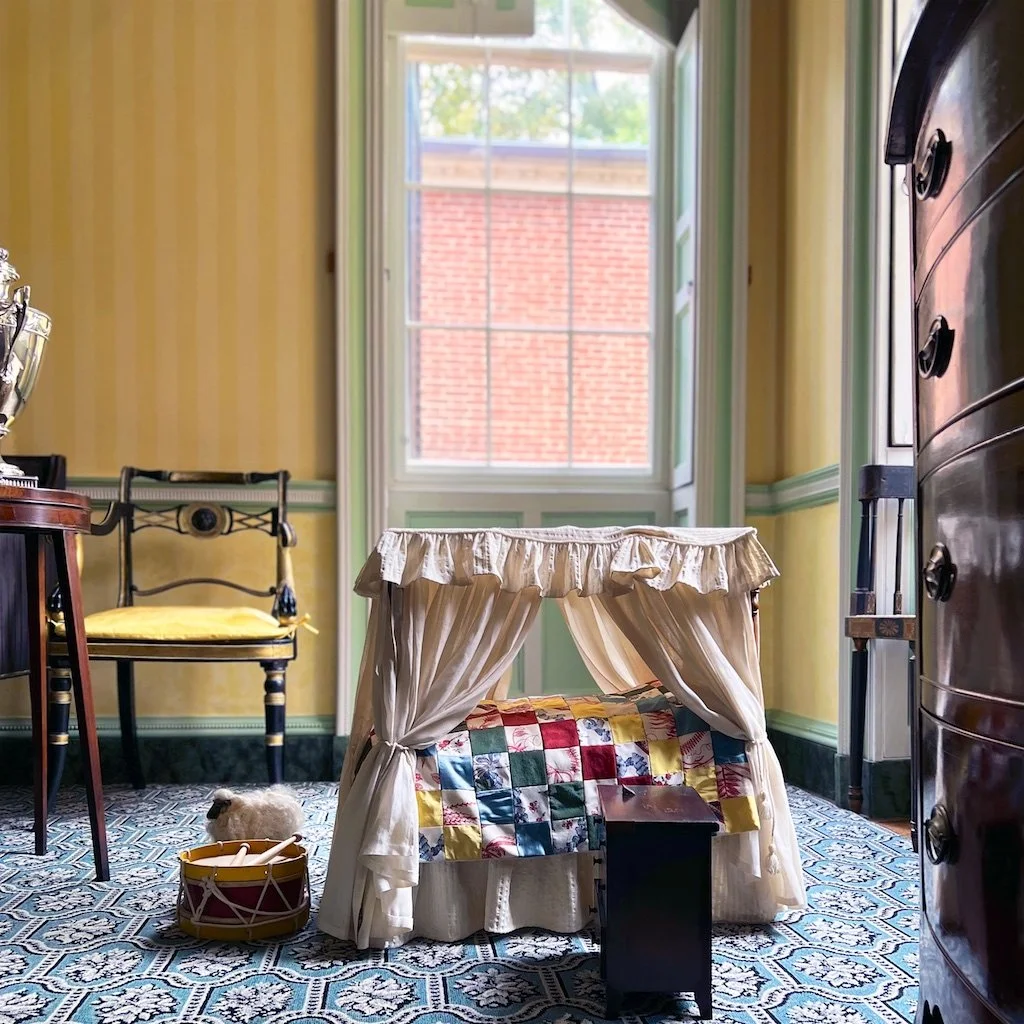
Homewood Back Parlor: The location of this room caught the last light of the day and probably made it a popular space for the family, for games and family activities.
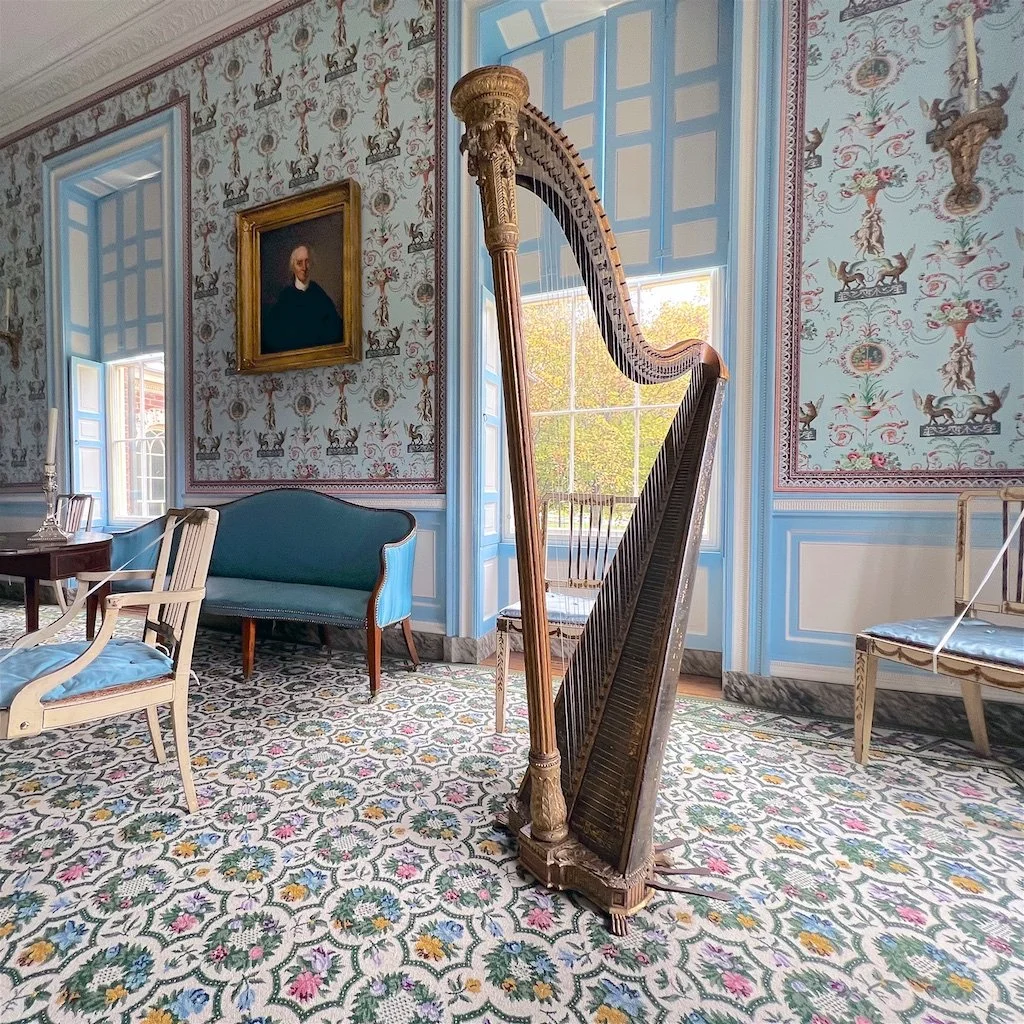
Homewood Drawing Room: The rugs were made in England, woven in 2-foot-wide strips, and shipped to Baltimore, where they were stitched together.
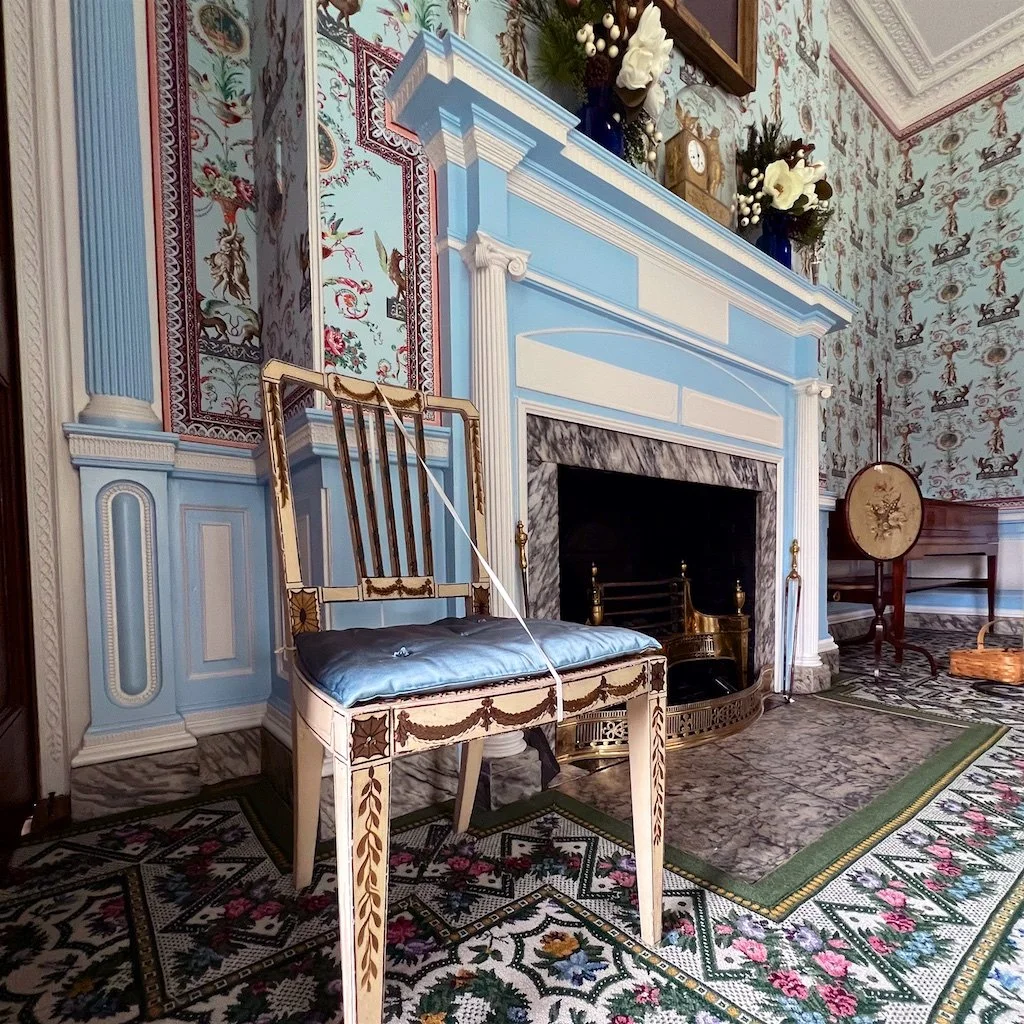
Homewood Drawing Room: The drawing room reflects the taste of the early 1800s with a great deal of wood carving reflecting the Robert Adam influences.
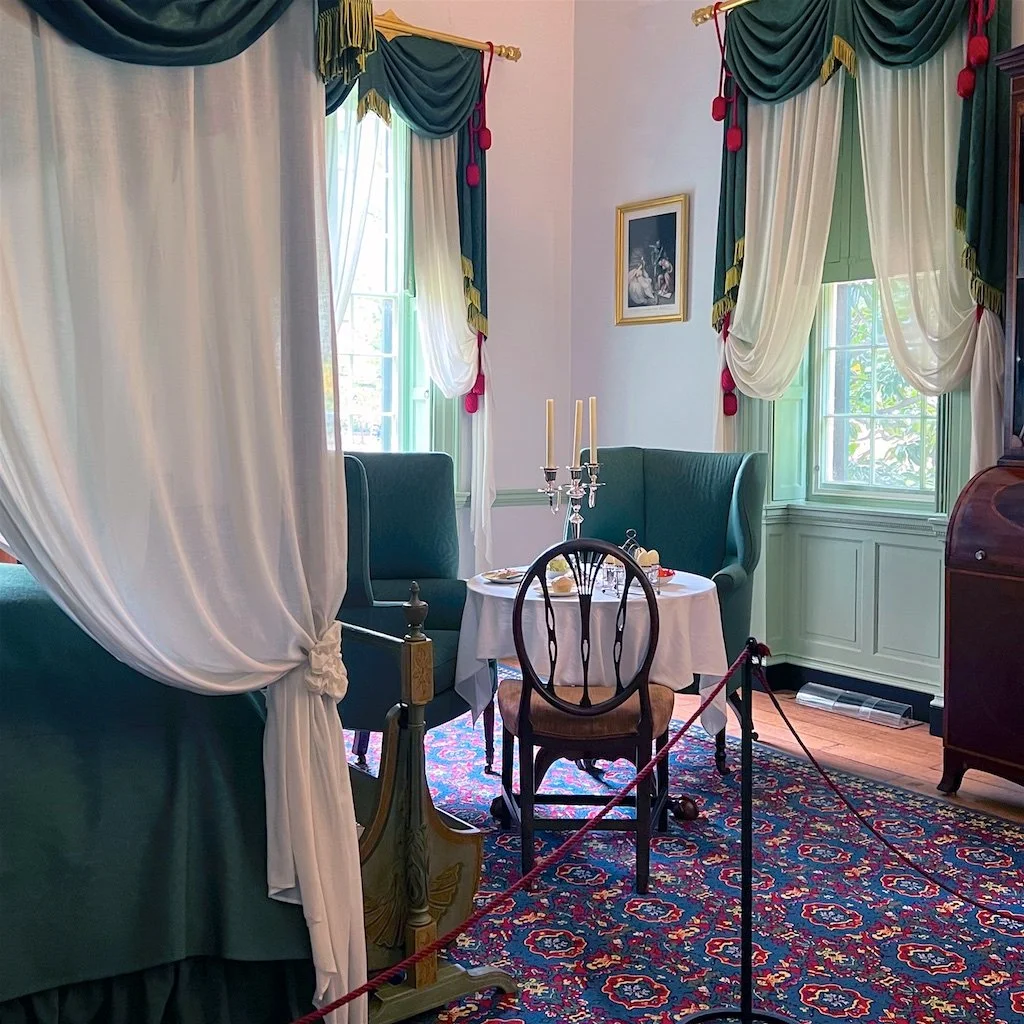
Master Bed Chamber: Located on the east end of the first-floor wing, and captures the morning light. This space would also be used for hosting quests.
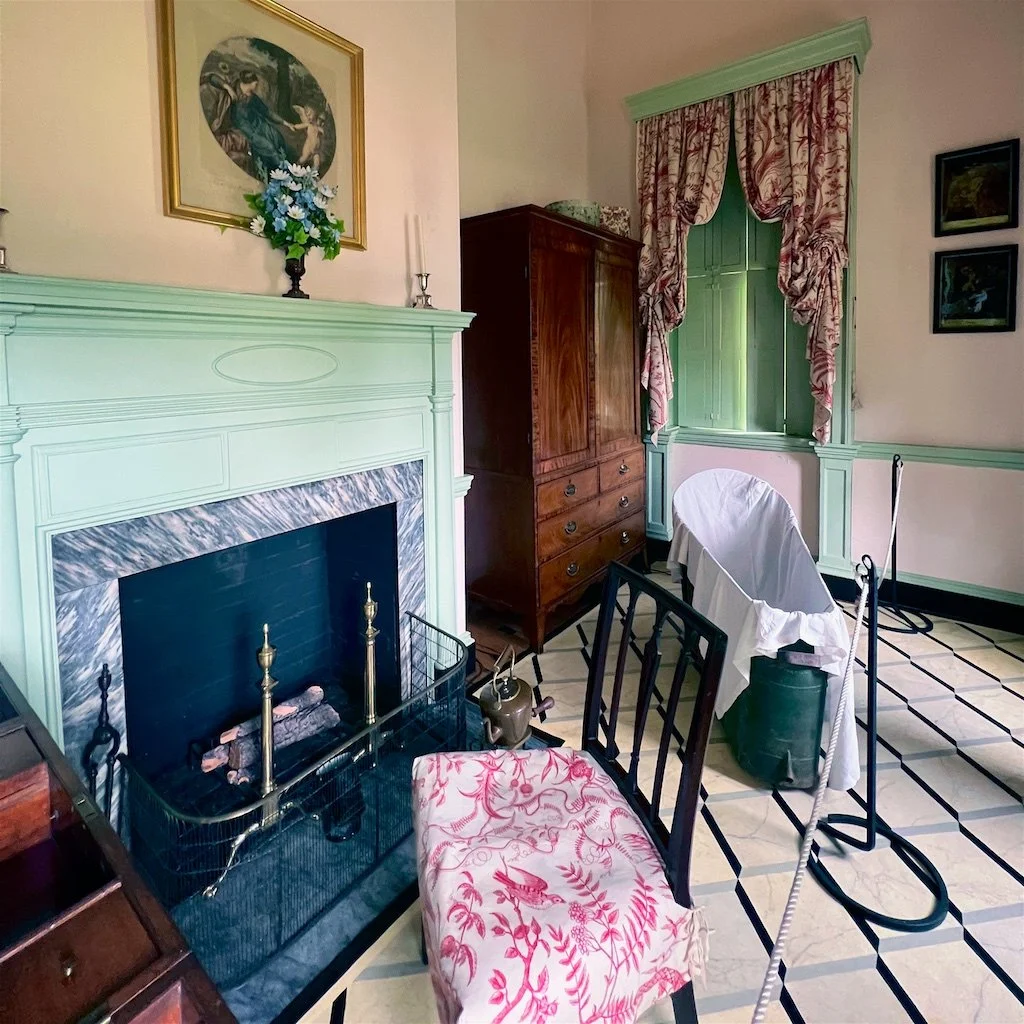
Dressing Room: The dressing room for the primary bedroom includes a portable bathtub that was part of the period.
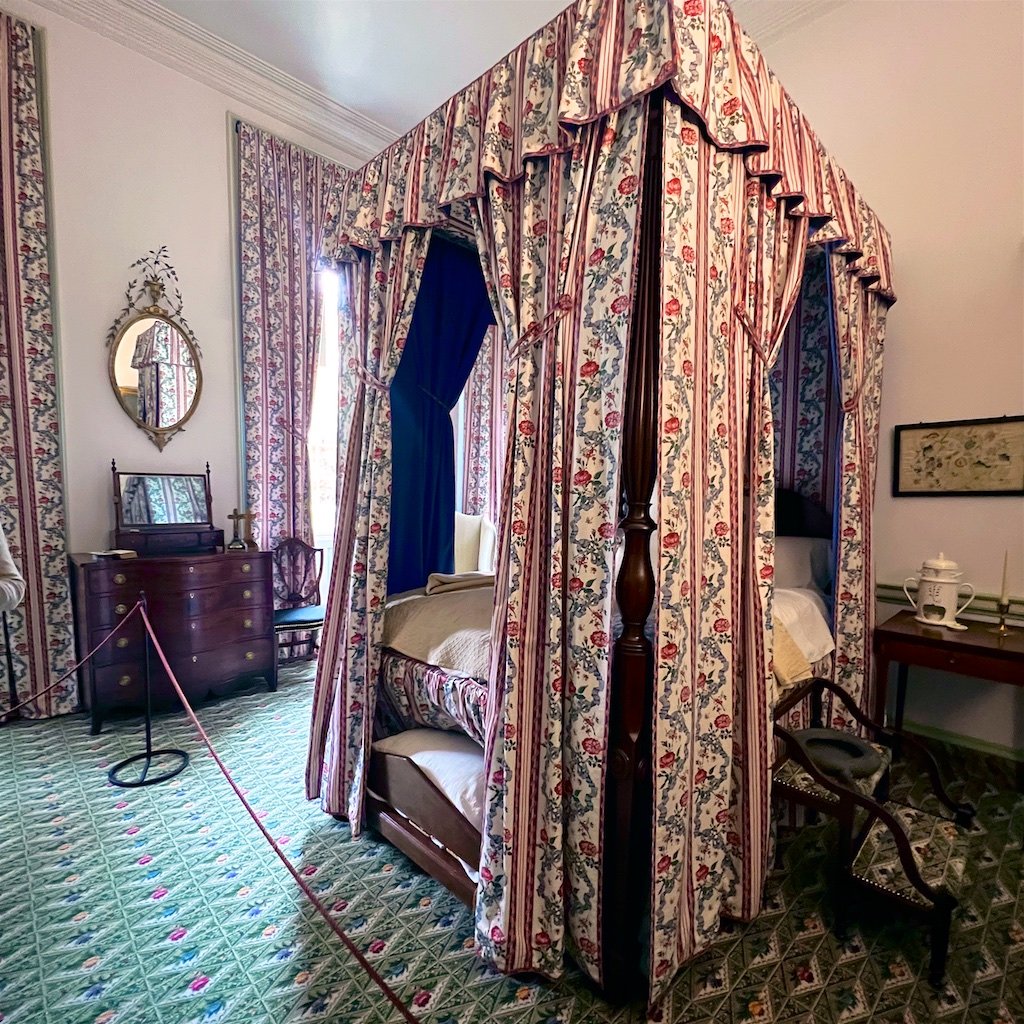
Guest Room: Chinz Chamber or "Best Guest Room" for important guests at Homewood.
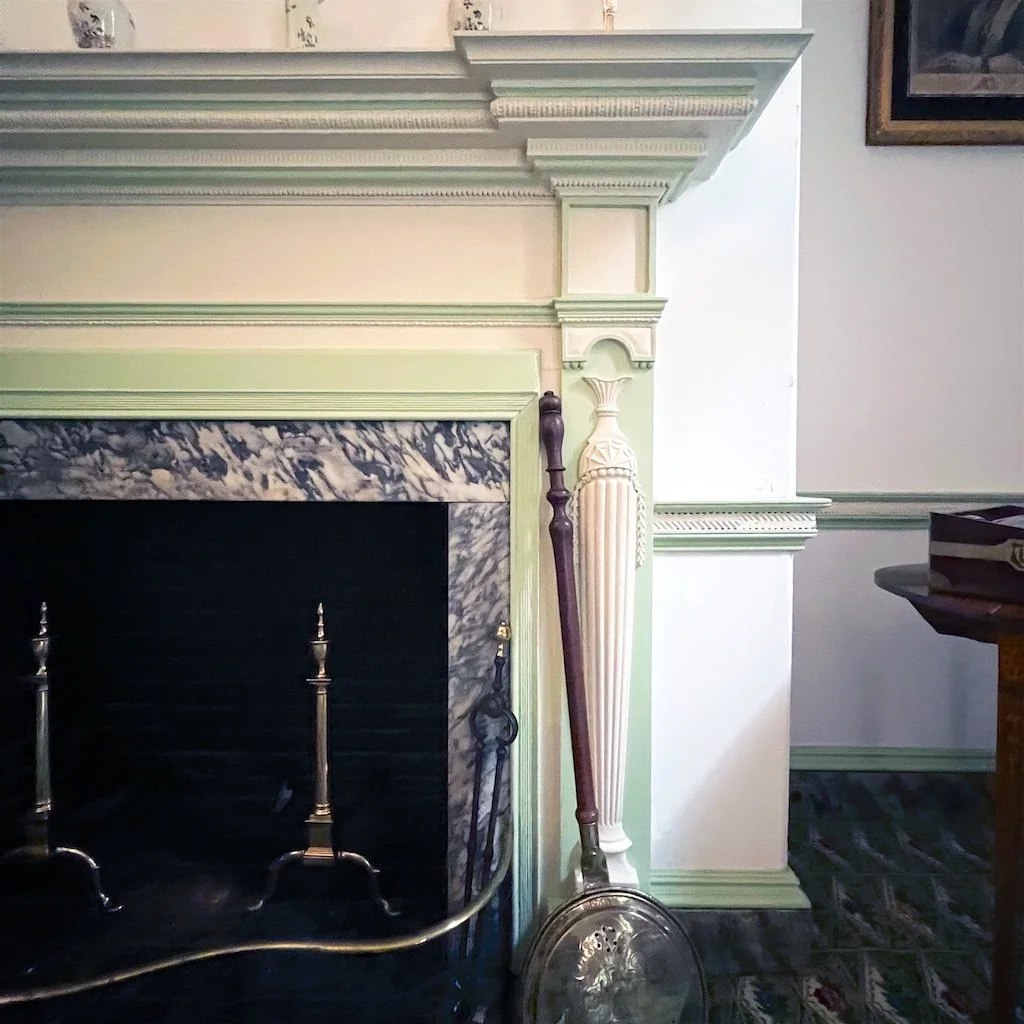
Guest Room: Chinz Chamber or "Best Guest Room" chimneypiece detail.
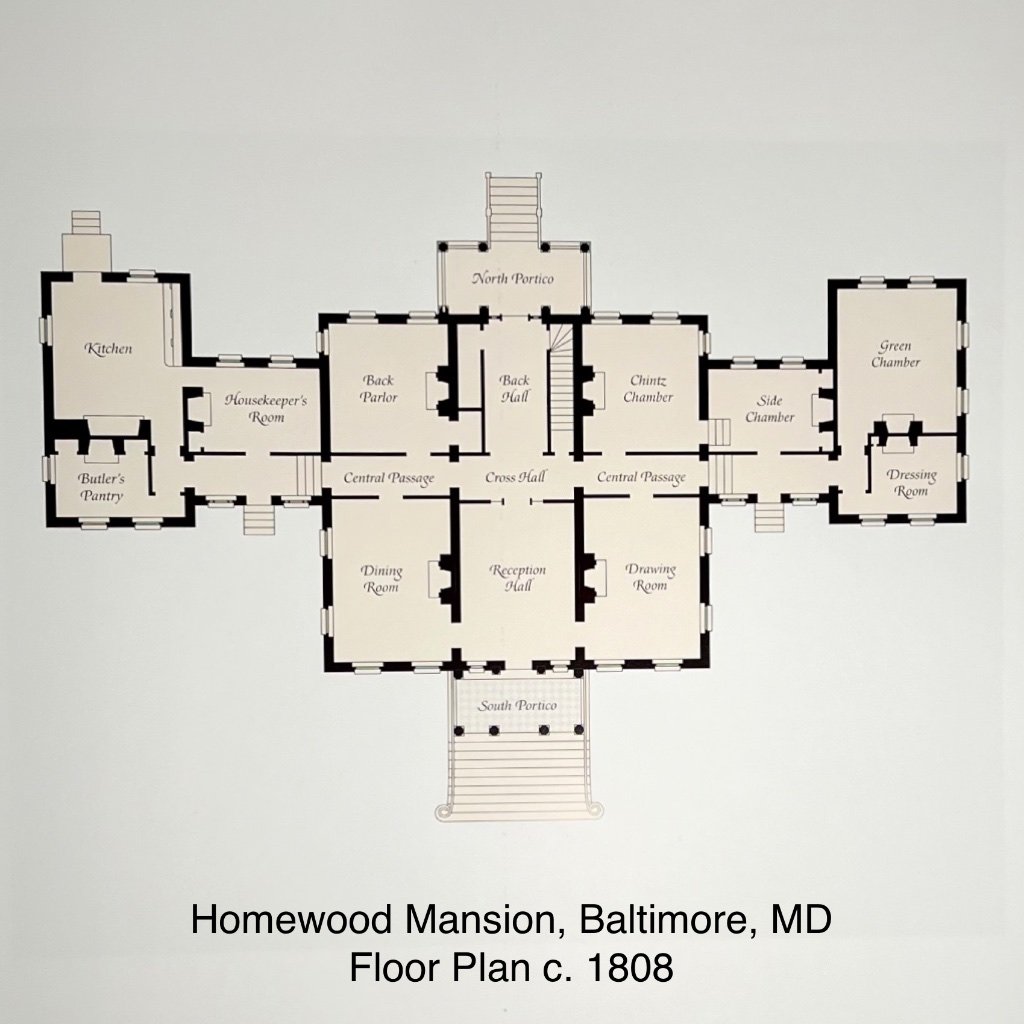
Homewood: Floor plan for Homewood Mansion c. 1808.
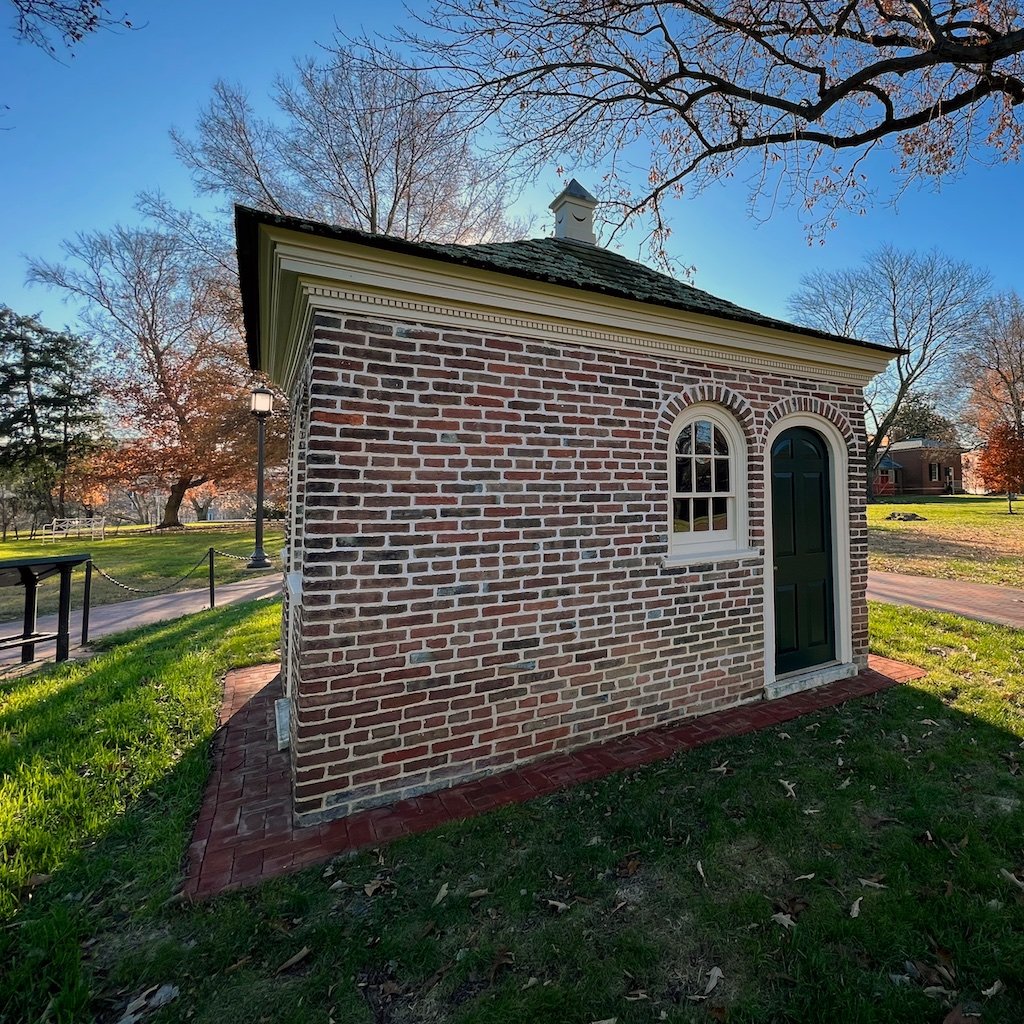
Homewood Privy: The privy for Homewood with paneled walls and dome ceiling..