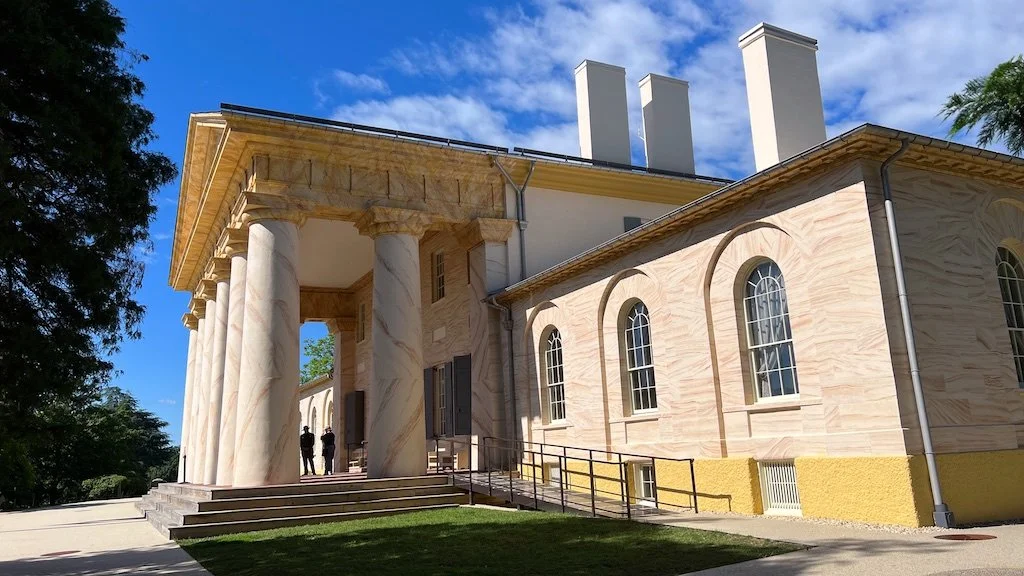
Photography by Bruce A deArmond
Built by George Washington Parke Custis, the step-grandson and adopted son of George Washington and only grandson of Martha Custis Washington. Custis became a resident of what was part of the District of Columbia and started construction in 1803.
George Washington Parke Custis, the step-grandson and adopted son of George Washington and only grandson of Martha Custis Washington. hired George Hadfield as architect for his new house - Hadfield constructed a mansion exhibiting the first example of Greek Revival architecture in America. Unfortunately, the building was interrupted by the War of 1812 (and material shortages after the British burned the American capital city). Nevertheless, the Custis mansion's exterior was completed in 1818. At the death of George Washington Parke Custis in 1857, the Arlington estate is left to Mary Custis Lee for her lifetime and to the Lees' eldest son, George Washington Custis Lee. However, needing much repair and reorganization, Robert E. Lee, as executor of Custis's will, took a three-year leave of absence from the Army to begin improvements..
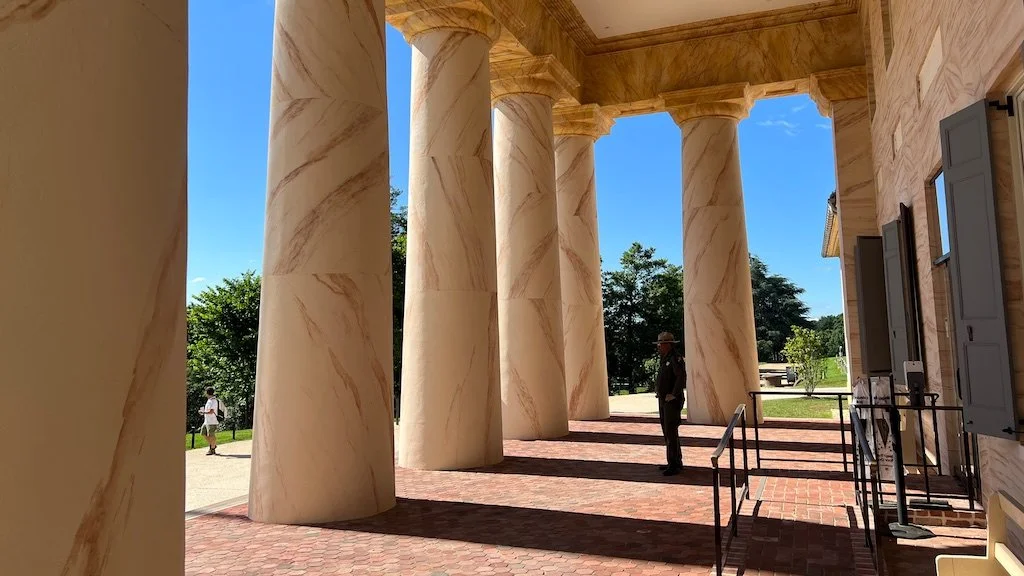
Arlington House was built at a high point on a 1,100-acre estate. The land was bought initially by John Parke Custis. His son, George Washington Parke Custis, decided to make his home on the property in 1802.
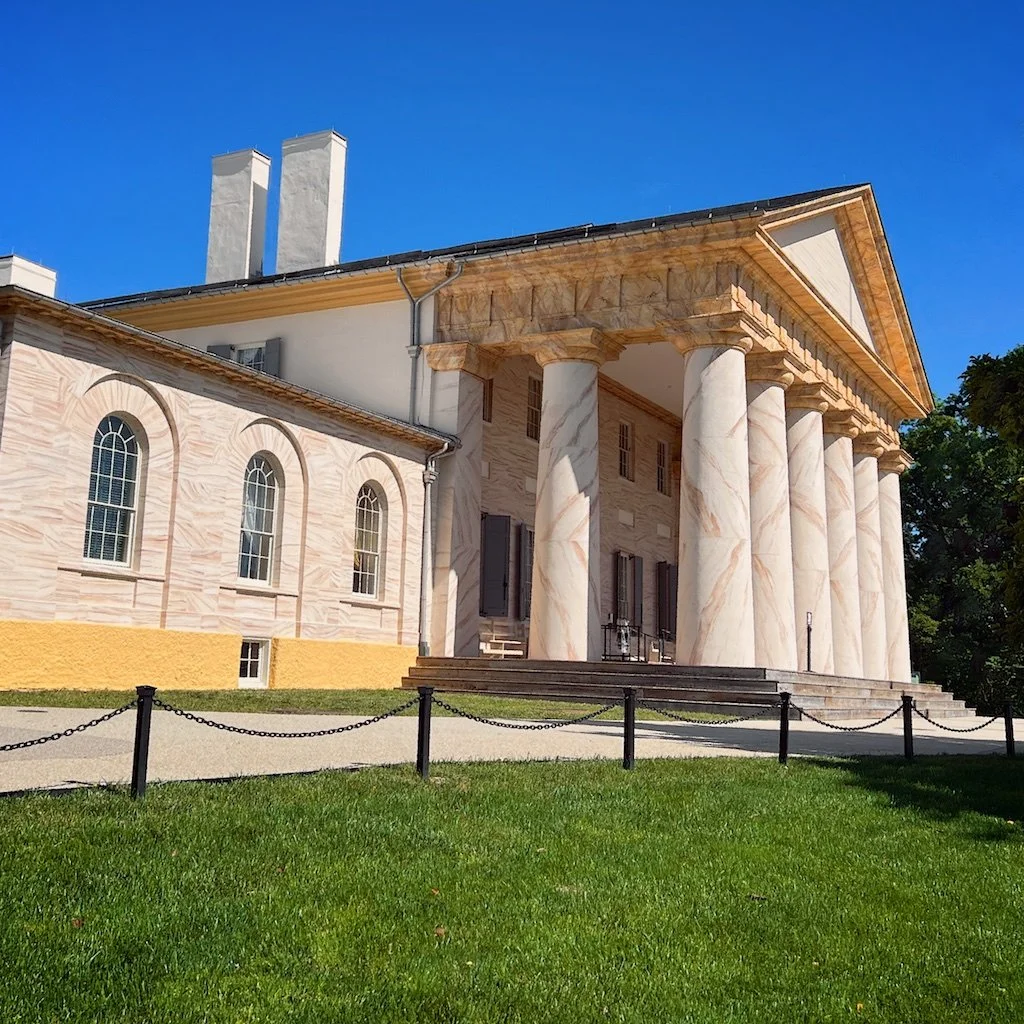
George Washington Parke Custis built Arlington House. Custis became a resident of what was part of the District of Columbia and started construction in 1803. However, the federal government returned to Virginia this area ceded by Virginia in 1847.
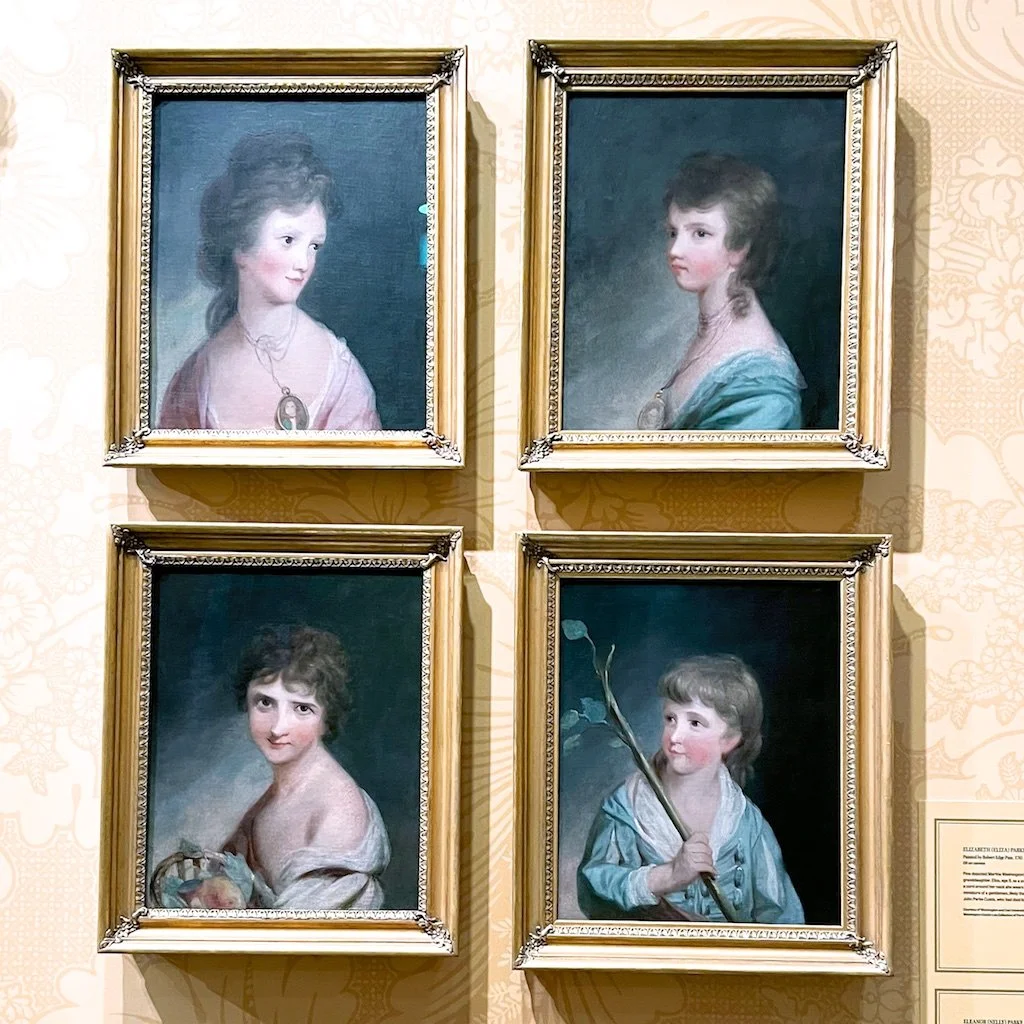
George Washington Parke Custis, bottom right, the step-grandson and adopted son of George Washington and only grandson of Martha Custis Washington. Custis.
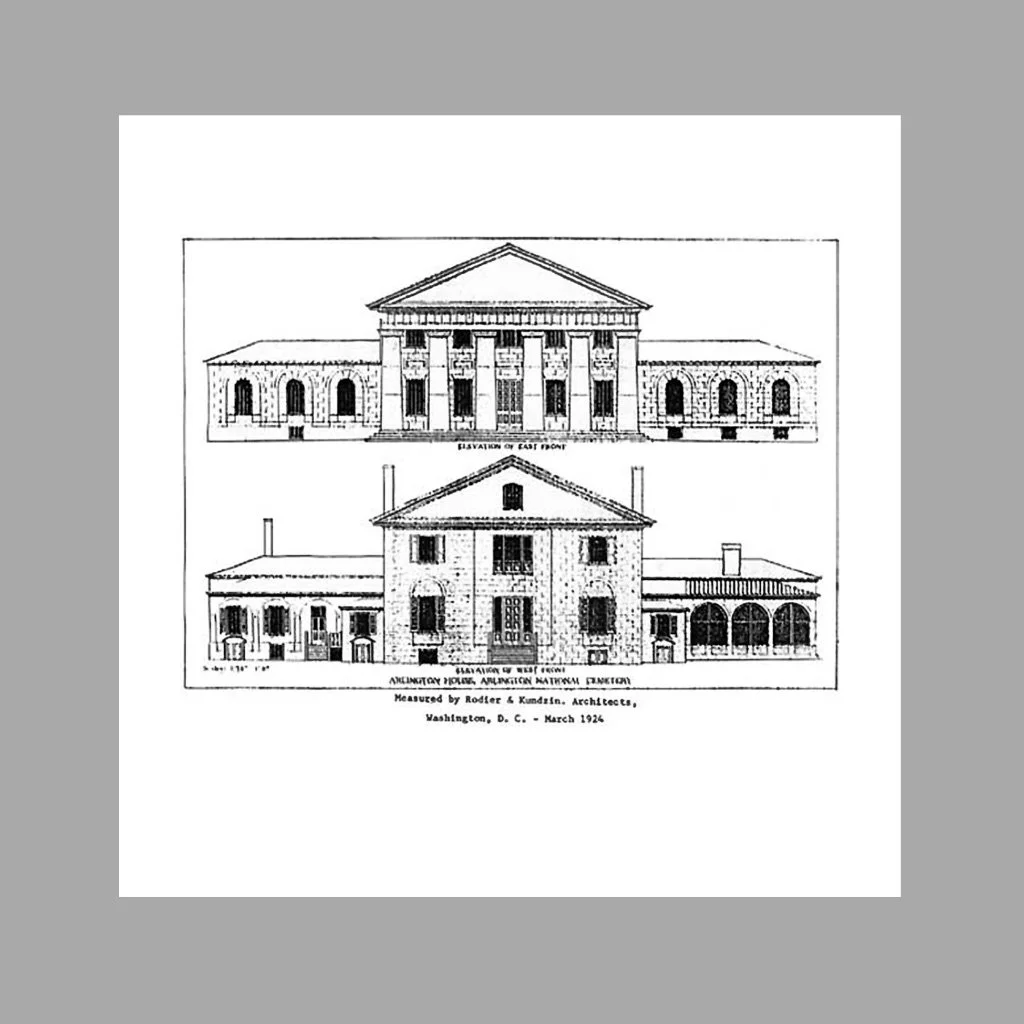
George Hadfield was hired as the architect for Arlington - He constructed a mansion exhibiting the first example of Greek Revival architecture in America.
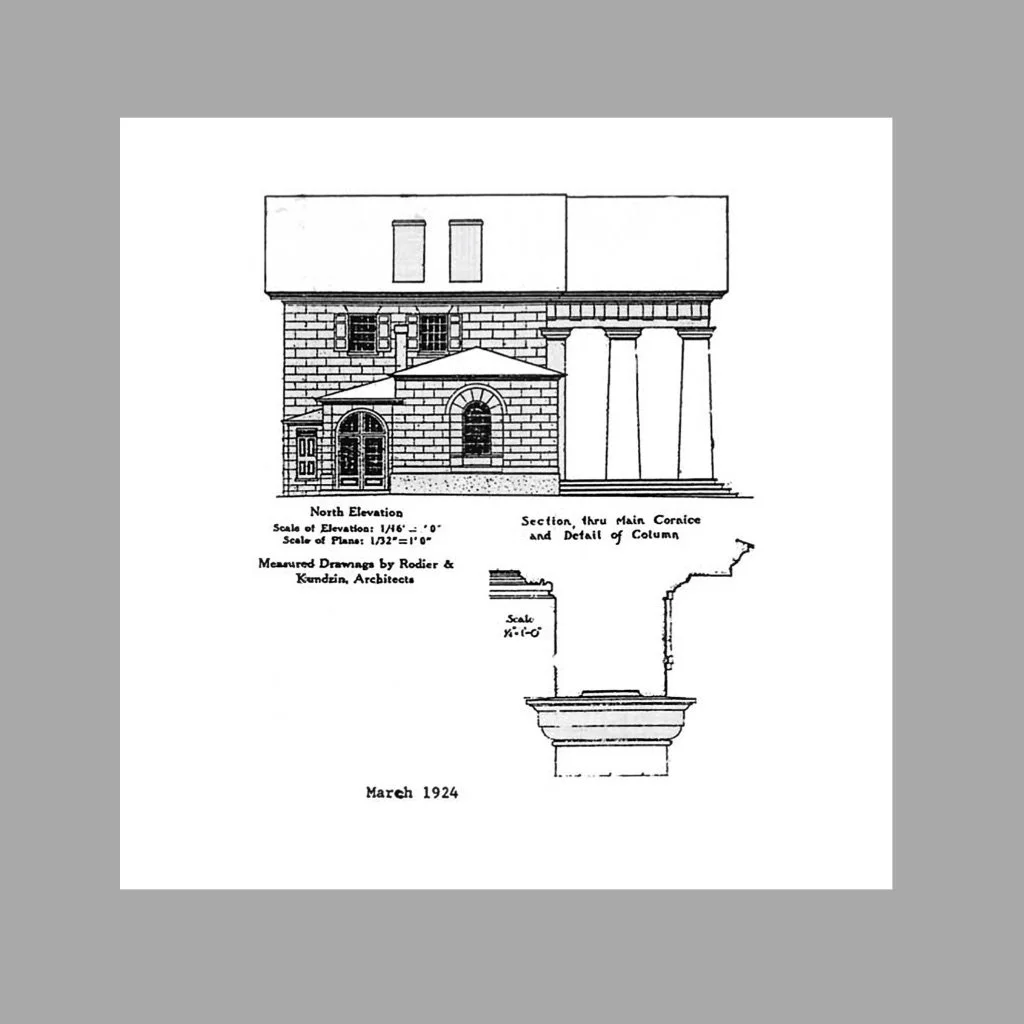
George Hadfield created the iconic porticoes in the United States. The overscaled Doric columns (brick covered by stucco) became a landmark and influenced the future planning of Washington, D.C.
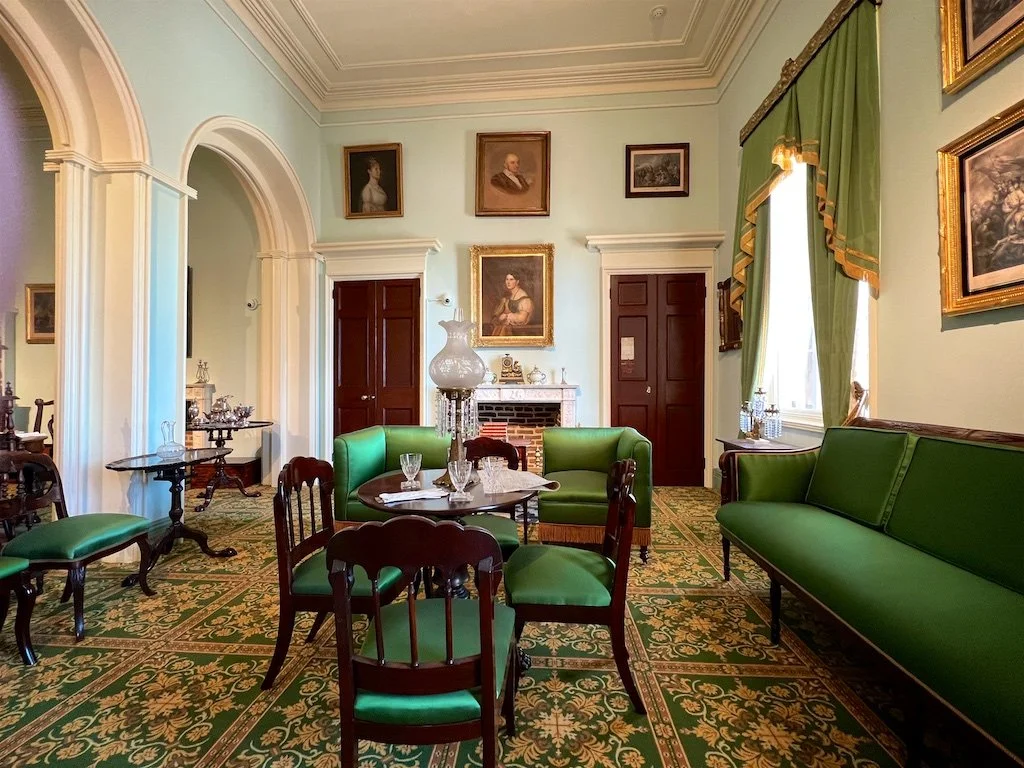
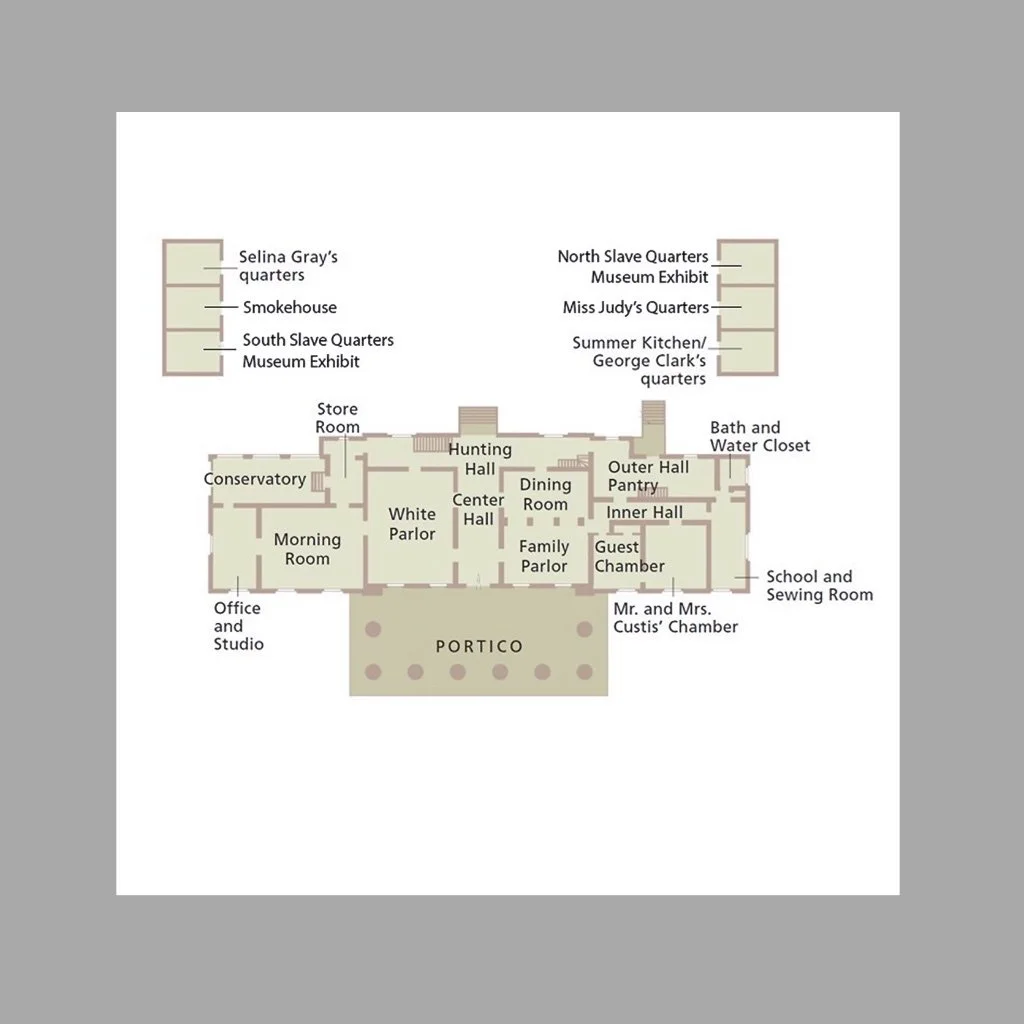
Family Room: This is the room where Robert E. Lee and Mary Custis were married in 1831. A portrait of Mary hangs over the fireplace.
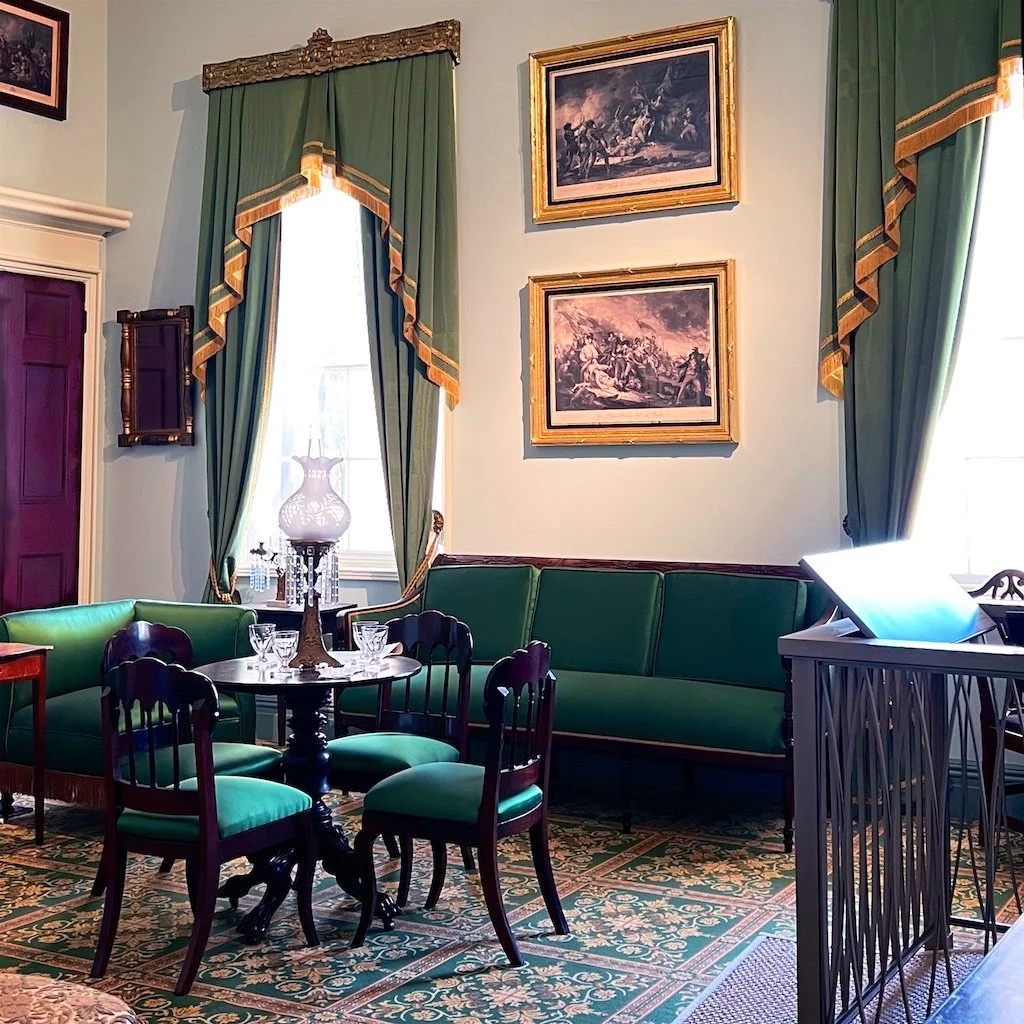
Family Parlor: This parlor was the center of family life and the hospitality of guests at the mansion.
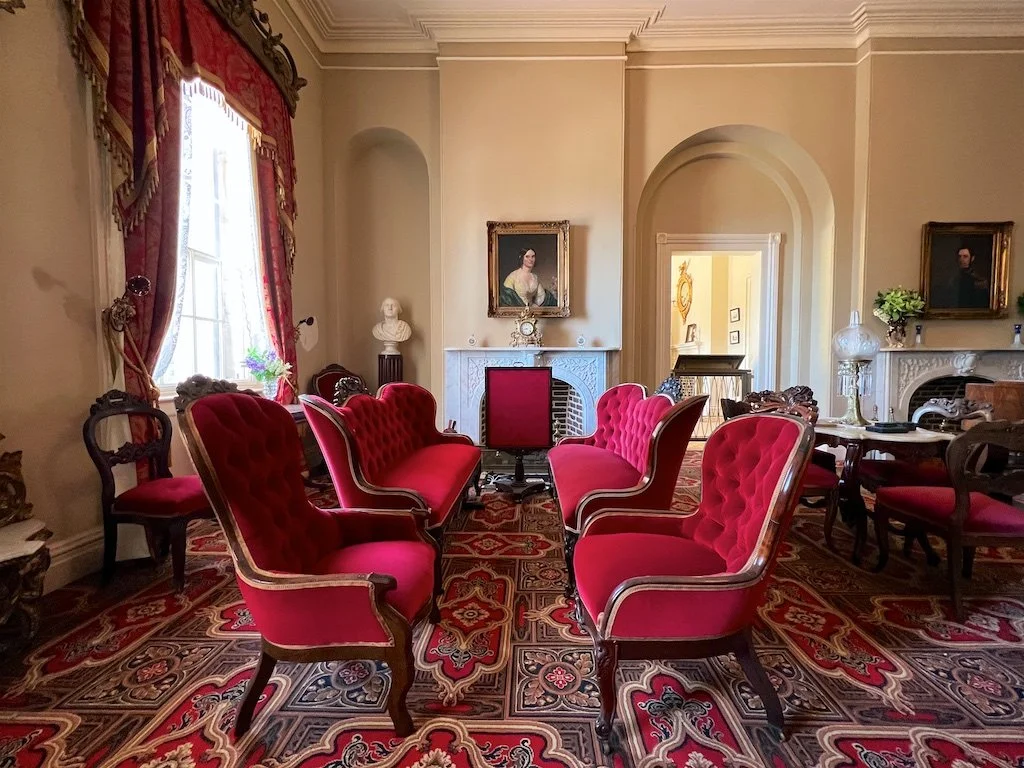
White Parlor: Robert and Mary Lee furnished this formal parlor in 1855. The décor reflects Lee's tastes. Lee also designed the marble mantelpieces with leaf carvings to symbolize Arlington's oak forest.
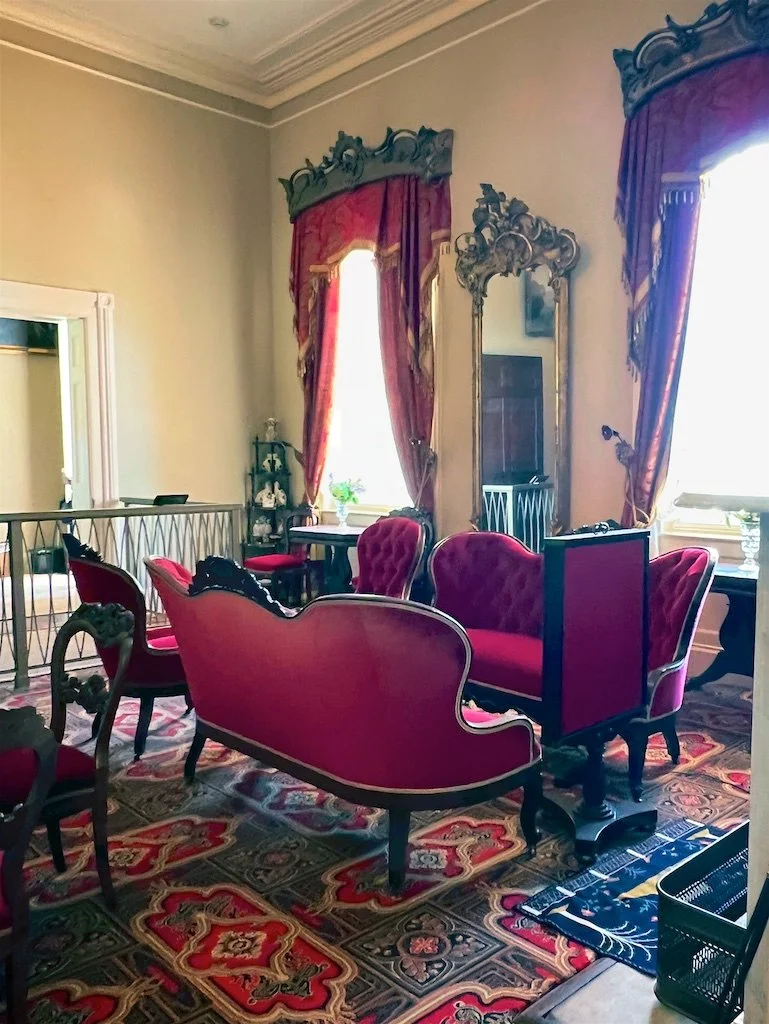
White Parlor: Robert E. Lee originally purchased the red velvet furniture for his West Point superintendent's quarters.
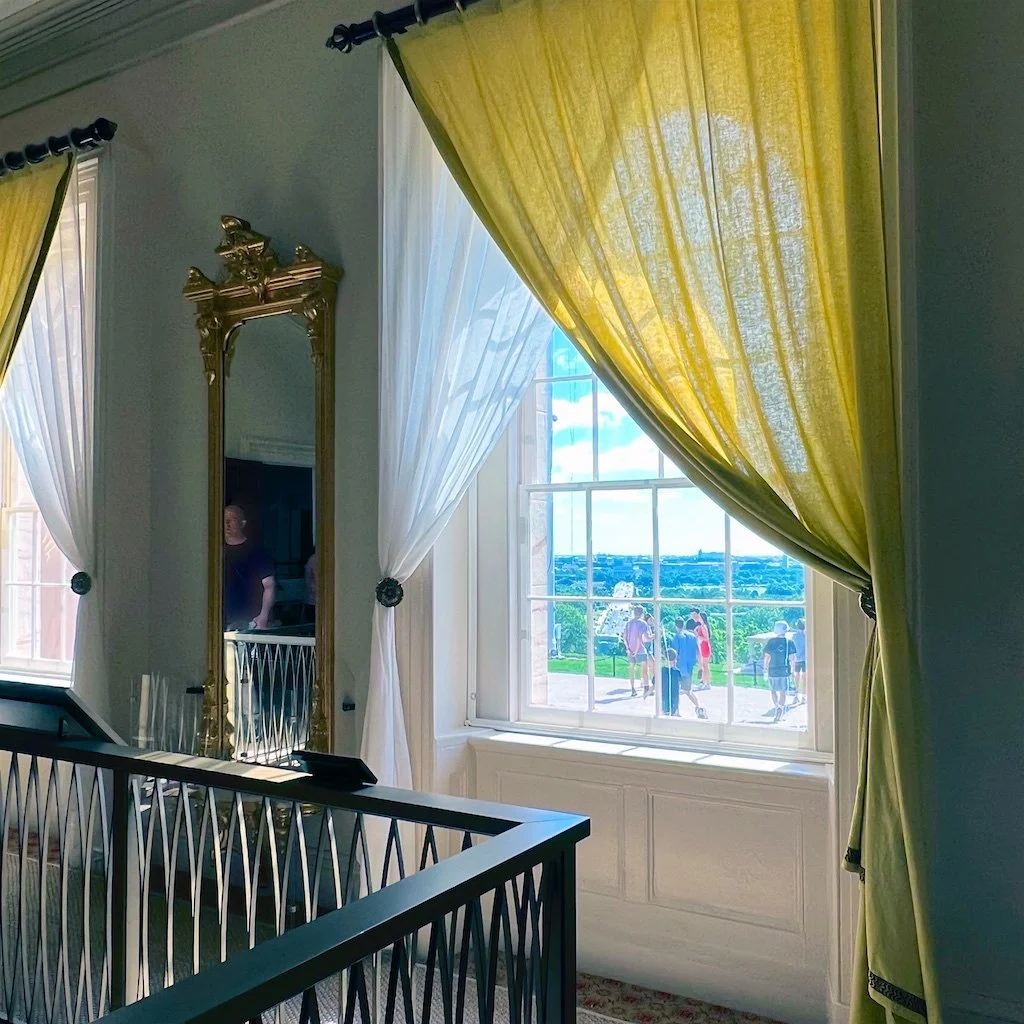
Morning Room: George Washington Parke Custis is the builder of Arlington House and Robert E. Lee's father-in-law. Custis, raised at Mount Vernon, filled Arlington with this legacy.
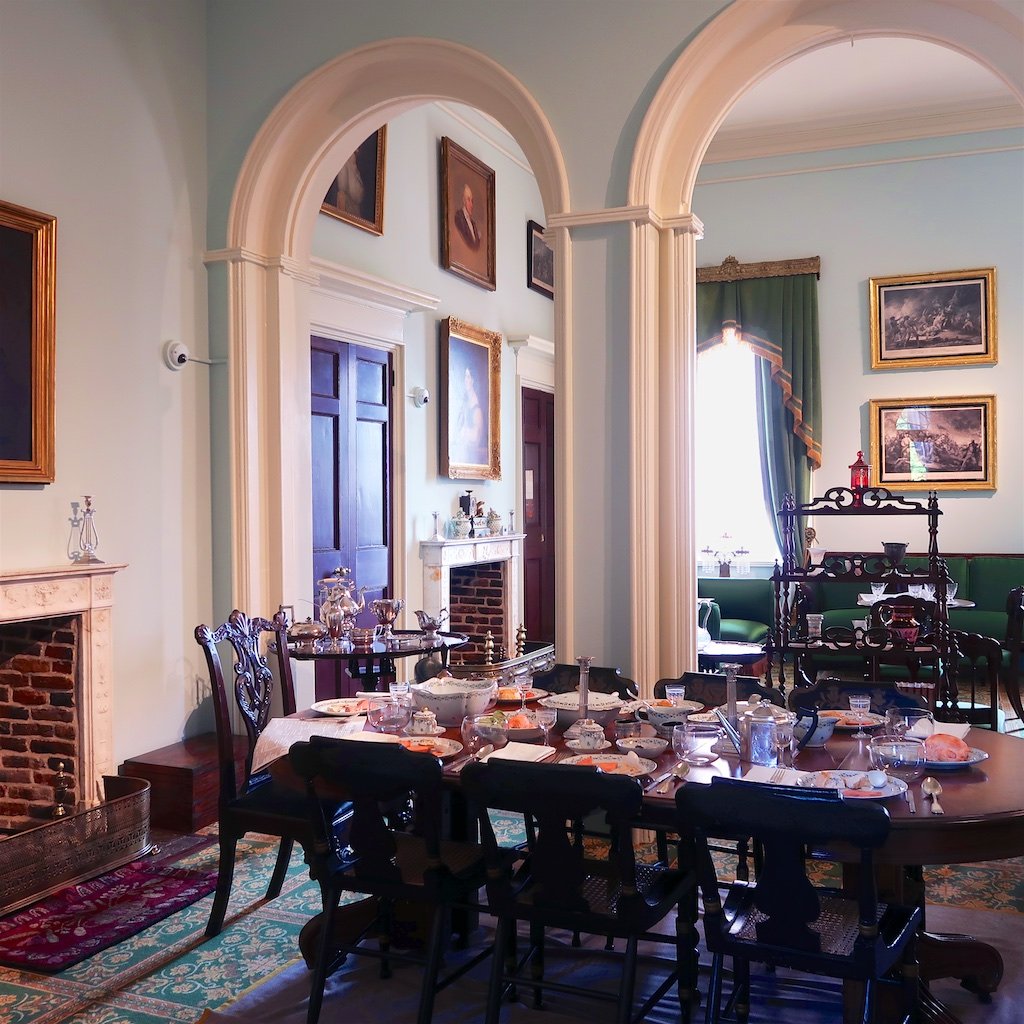
Dining Room: The dining room was used for family meals and entertaining guests. The china displayed on the dining table belonged to George and Martha Washington.
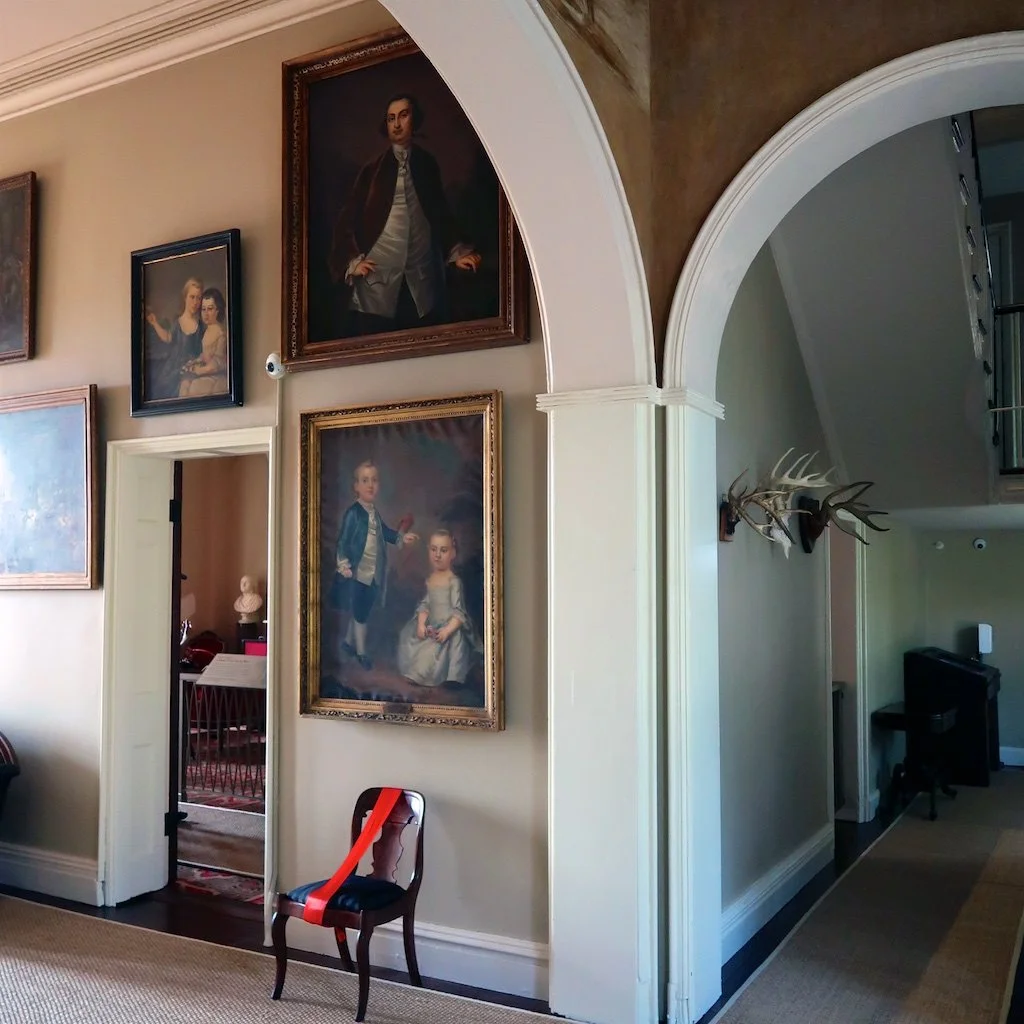
Center Hall: Visitors were greeted in this hall. Guests were political or artistic friends of Mr. Custis, military friends of the Lees.
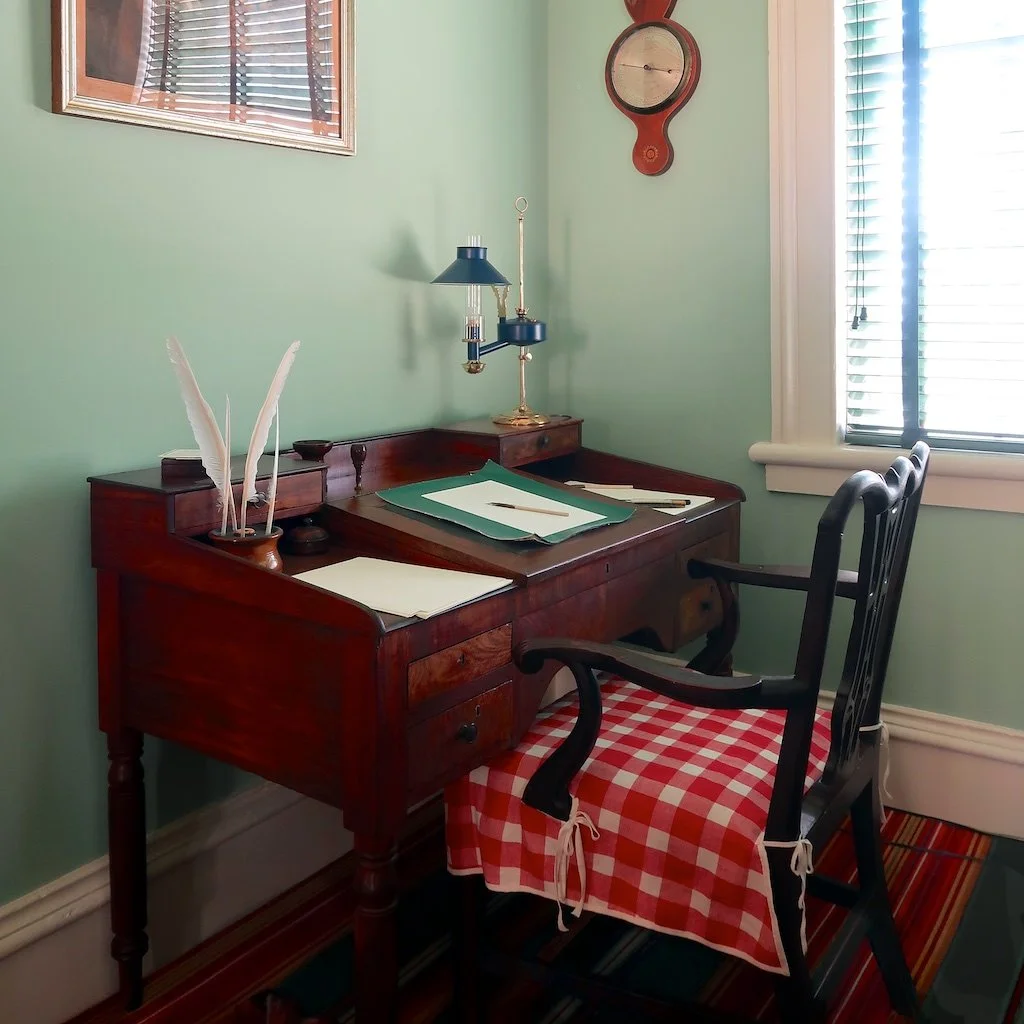
Office and Studio: The plantation office where Robert E. Lee is believed to have written his resignation from the US Army early on April 20, 1861
Following Custis's instructions, George Hadfield created Arlington as a memorial for George Washington: Custis brought from Mount Vernon an extensive collection of furniture and objects from the estate of George and Martha Washington.
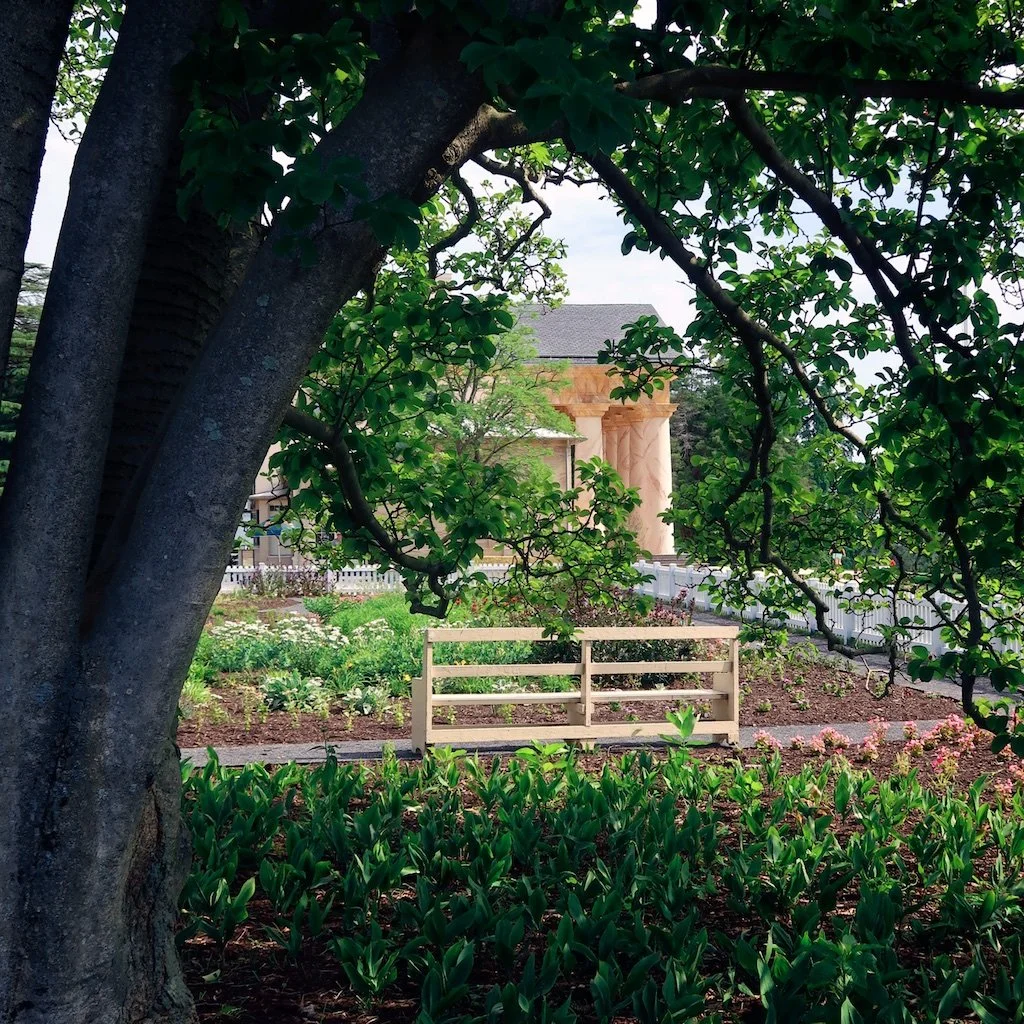
Arlington House - From the garden looking to the front portico
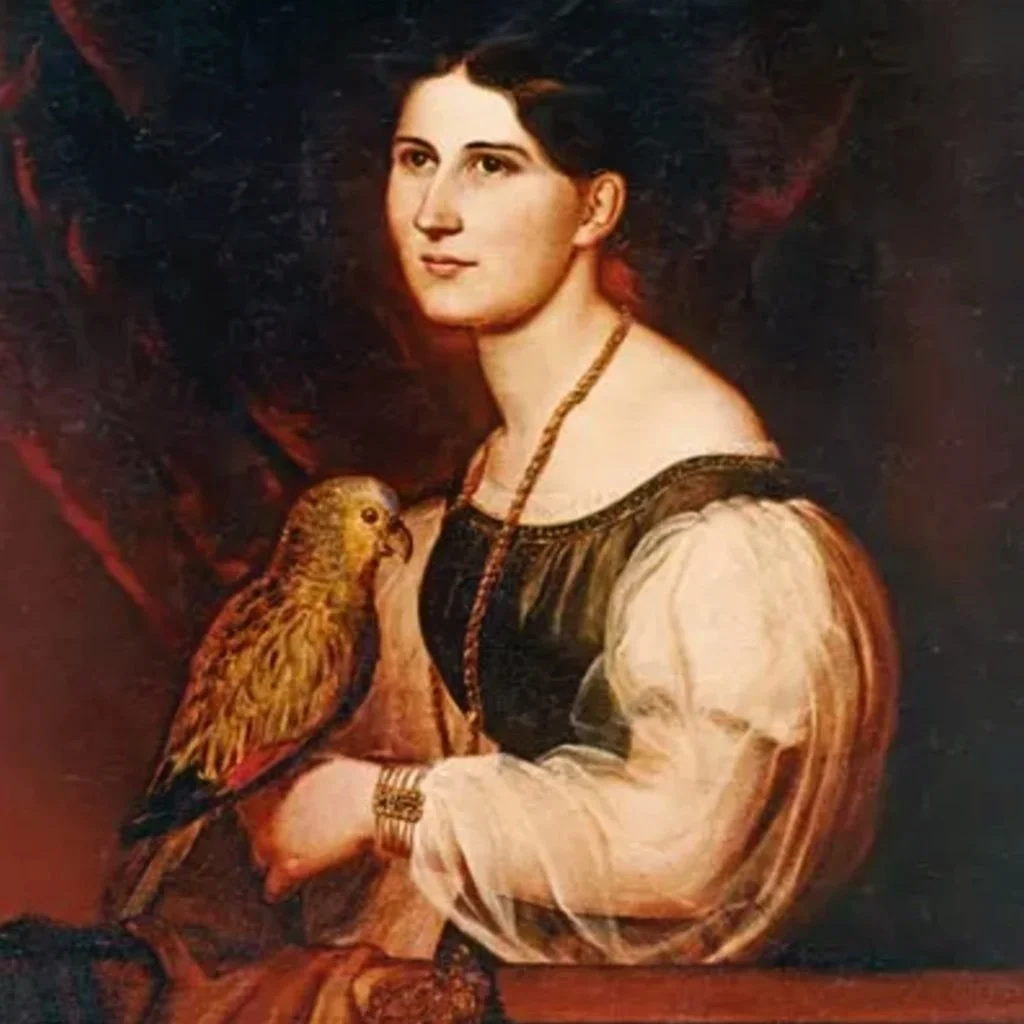
Mary Anna Randolph Custis was born on October 1, 1807. She was the only surviving child of George Washington Parke Custis and Mary Fitzhugh Custis. Mary, who inherited Arlington, would marry Robert E. Lee in 1831.